Yandex metrika counter
Why did Thailand classify hantavirus as a dangerous communicable disease?
Source: Xinhua

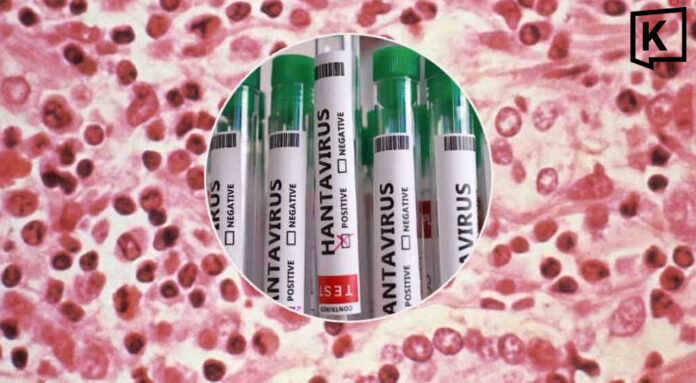
Thailand has officially designated hantavirus as a “dangerous communicable disease” following growing international concern over recent outbreaks and fears surrounding potential human to human transmission in certain strains.

The decision was approved by Thailand’s National Communicable Disease Committee as authorities attempt to strengthen surveillance, accelerate reporting systems, and prepare for possible imported or domestic cases.

Health officials said the designation was necessary because some hantavirus strains can spread through respiratory droplets and because recent international developments highlighted the importance of rapid preparedness.

The move comes amid heightened global attention surrounding an outbreak linked to the cruise ship MV Hondius, which revived public anxiety connected to infectious disease outbreaks after the COVID 19 pandemic.

Thai authorities emphasized that the country is acting proactively to avoid uncontrolled transmission and improve emergency response coordination.

What is hantavirus?

Hantavirus refers to a group of viruses primarily carried by rodents.

Humans can become infected after contact with infected rodent urine, droppings, saliva, or contaminated dust particles.

Symptoms may initially resemble flu like illness and can include fever, fatigue, headaches, muscle pain, nausea, and breathing difficulties.

In severe cases, hantavirus can cause hantavirus pulmonary syndrome, a potentially fatal respiratory disease.

Most hantavirus strains do not spread easily between humans.

However, certain strains such as the Andes strain found in parts of South America have shown limited human to human transmission.

This characteristic has increased international concern among public health authorities.

What new measures has Thailand introduced?

Thailand introduced strict new emergency response requirements following the classification decision.

According to the Ministry of Public Health:

  • Suspected cases must now be reported within three hours
  • Disease investigations must begin within 12 hours
  • High risk contacts may face quarantine measures lasting 42 days

The government also announced enhanced monitoring systems involving surveillance, laboratory testing, treatment preparation, and rapid response protocols.

Authorities are strengthening screening and monitoring at international entry points including airports and border crossings.

Provincial health offices and hospitals nationwide were instructed to maintain close monitoring and immediately report suspicious cases.

Why is the quarantine period 42 days?

The 42 day quarantine period reflects caution regarding possible incubation periods and monitoring requirements for high risk contacts.

Health authorities often use extended observation periods for dangerous infectious diseases to ensure symptoms do not develop after exposure.

The policy is intended to help identify infections early and prevent broader spread.

Officials said quarantine enforcement would be part of Thailand’s elevated preparedness plan.

Can hantavirus spread between humans?

Most hantavirus strains spread primarily from rodents to humans.

However, the Andes strain, mainly identified in parts of Argentina and Chile, has shown limited human to human transmission through close contact and respiratory droplets.

This possibility is one reason governments are treating recent outbreaks seriously.

Health experts still emphasize that hantavirus is far less transmissible than airborne viruses such as COVID 19.

Current evidence does not suggest the virus can spread rapidly through casual contact in the general population.

Nevertheless, authorities are taking precautions because even limited human transmission can create serious public health concerns.

Why are authorities acting so aggressively?

Thai officials say the response reflects lessons learned from the COVID 19 pandemic.

During COVID, many governments faced criticism for delayed responses, inconsistent communication, and insufficient preparedness.

Thailand now appears determined to react quickly to emerging infectious disease threats before larger outbreaks can develop.

Officials believe rapid reporting, quarantine systems, surveillance, and clear communication can reduce risks significantly.

The government also wants to reassure the public that systems are in place to manage potential cases effectively.

What symptoms should people watch for?

Health officials urged people with rodent exposure or recent travel from high risk areas to seek medical attention immediately if they develop symptoms including:

  • High fever
  • Difficulty breathing
  • Muscle pain
  • Fatigue
  • Headaches
  • Nausea

Respiratory symptoms are especially important because severe hantavirus infections can rapidly affect lung function.

Early diagnosis and supportive treatment can improve survival chances significantly.

How are hospitals preparing?

Hospitals and provincial health offices across Thailand were instructed to review treatment protocols and strengthen surveillance systems.

Medical facilities are also expected to improve communication procedures for suspected cases.

The Ministry of Public Health said healthcare institutions must ensure rapid reporting and maintain readiness for emergency response operations.

Laboratory testing systems are also being strengthened to speed up diagnosis and case confirmation.

Are airports and borders being monitored?

Yes.

Thailand is increasing health surveillance at international points of entry.

The Department of Disease Control is finalizing “Patients Under Investigation” definitions and rapid investigation protocols for incoming travelers and domestic cases.

Travelers arriving from high risk regions may face additional screening or monitoring measures if symptoms are detected.

The government is attempting to prevent imported infections while maintaining readiness for local investigations if necessary.

Why is the cruise ship outbreak causing concern globally?

The recent outbreak aboard the MV Hondius triggered global attention because it reminded many people of the early COVID 19 pandemic.

The outbreak involved the Andes strain of hantavirus, with several deaths reported among passengers.

The cruise ship setting, quarantine measures, and international passenger movement created strong emotional comparisons to the COVID era.

Health officials worldwide have since attempted to reassure the public that hantavirus does not spread nearly as easily as COVID 19.

Still, governments are increasing preparedness measures due to uncertainty surrounding limited human transmission.

Could hantavirus become another pandemic?

Health experts currently say a COVID style pandemic is unlikely.

Unlike COVID 19, hantavirus generally does not spread efficiently between humans.

Most infections occur through rodent exposure rather than widespread airborne transmission.

However, authorities remain cautious because some strains can spread under specific conditions involving close contact.

The World Health Organization and national health agencies continue monitoring the situation closely.

Experts say preparedness remains important even if the overall public risk remains low.

Why are rodents important in hantavirus transmission?

Rodents are the primary natural carriers of hantaviruses.

Humans usually become infected by inhaling contaminated dust particles containing rodent waste.

This can happen in cabins, storage areas, farms, warehouses, campsites, or other enclosed spaces where rodents are present.

Different rodent species carry different hantavirus strains in different regions.

Reducing rodent exposure remains one of the most important prevention measures.

What is Thailand trying to avoid?

Thailand appears focused on avoiding delayed outbreak responses and uncontrolled public fear.

Authorities want to improve early detection systems while simultaneously preventing misinformation and panic.

The government’s rapid measures also aim to reassure both residents and international travelers that the healthcare system is prepared.

Officials are trying to balance caution with public reassurance, emphasizing that preparedness does not mean a major outbreak is inevitable.

Could the new rules affect travelers?

Potentially yes, especially travelers arriving from high risk areas or those showing symptoms consistent with hantavirus infection.

Thailand may increase health screening procedures at airports and border crossings.

Individuals identified as high risk contacts could potentially face quarantine or medical monitoring requirements.

However, authorities have not announced broad travel restrictions.

The measures currently focus mainly on surveillance and rapid response rather than limiting international movement.

What happens next?

Thailand’s health authorities are expected to continue strengthening surveillance systems and refining response protocols.

Hospitals, laboratories, and regional health offices will likely remain on heightened alert while international monitoring continues.

The government will also likely continue public awareness campaigns aimed at explaining symptoms, reducing rodent exposure risks, and countering misinformation.

For now, officials continue emphasizing vigilance and preparedness while stressing that the public health risk remains manageable if rapid response systems function effectively.


News.Az 

By Faig Mahmudov

Similar news
Archive

Prev Next
Su Mo Tu We Th Fr Sa
  1 2 3 4 5 6
7 8 9 10 11 12 13
14 15 16 17 18 19 20
21 22 23 24 25 26 27
28 29 30 31