How will climate change transform Central Asia’s future and stability?


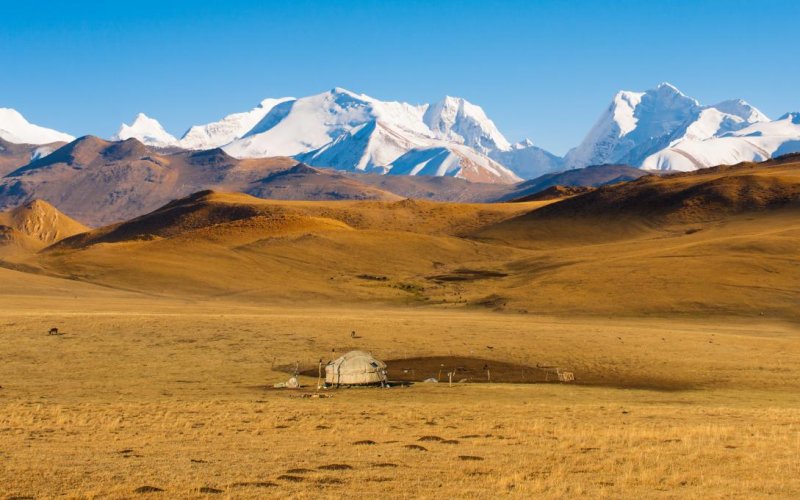
Central Asia is emerging as one of the world’s most climate vulnerable regions as rising temperatures, shrinking glaciers, water shortages, desertification, extreme weather, and environmental degradation increasingly threaten economic stability, food security, energy systems, and regional cooperation across the heart of Eurasia.
Scientists and policymakers warn that climate change could fundamentally reshape the future of Kazakhstan, Uzbekistan, Kyrgyzstan, Tajikistan, and Turkmenistan during coming decades.
RECOMMENDED STORIES
The region already experiences some of the fastest warming trends globally.
Temperatures in parts of Central Asia are rising more rapidly than the global average, intensifying pressure on fragile ecosystems and water systems heavily dependent on mountain glaciers.
Climate change is no longer viewed only as an environmental issue.
It increasingly affects geopolitics, migration, agriculture, energy production, public health, and economic development across the region.
Central Asia’s vulnerability stems partly from geography.
Large areas consist of deserts, steppes, and semi arid environments already highly sensitive to water stress and extreme temperatures.
The region’s economies additionally remain heavily dependent on agriculture, natural resources, and hydropower systems directly influenced by climate conditions.
At the same time, aging Soviet era infrastructure, limited regional cooperation, rapid population growth, and economic inequalities complicate adaptation efforts.
Climate change therefore threatens not only ecosystems but also political and social stability.
Many experts believe how Central Asia responds to climate pressures may become one of the defining geopolitical and developmental challenges of the twenty first century.
Why is Central Asia especially vulnerable to climate change?
Central Asia’s geography makes it particularly sensitive to climate disruption.
Much of the region already experiences arid or semi arid conditions with limited water resources.
Agriculture depends heavily on irrigation systems fed by rivers originating in mountain glaciers.
As temperatures rise and glaciers melt, long term water supplies become increasingly uncertain.
The region also experiences extreme continental climate conditions with hot summers, cold winters, and growing drought frequency.
Many economies rely strongly on agriculture, hydropower, and natural resource industries vulnerable to climate stress.
Infrastructure challenges and limited financial resources additionally reduce adaptation capacity in some countries.
As a result, even moderate climate shifts can create major economic and social consequences.
Why are glaciers so important for Central Asia?
Glaciers in the Tian Shan and Pamir mountain ranges function as natural water reservoirs supplying rivers across Central Asia.
These glaciers feed major river systems including the Amu Darya and Syr Darya.
Millions of people depend on these rivers for agriculture, drinking water, industry, and hydropower generation.
Climate change is causing glaciers to melt rapidly.
Initially, increased melting may temporarily boost river flows.
However, over the long term, shrinking glaciers threaten severe reductions in water availability.
Scientists warn that some glaciers could lose substantial portions of their mass during coming decades if warming trends continue.
This would significantly disrupt water security throughout the region.
How serious is the water crisis?
Water insecurity already represents one of Central Asia’s most dangerous climate related challenges.
Countries downstream such as Uzbekistan, Kazakhstan, and Turkmenistan rely heavily on river flows originating in upstream mountainous countries including Kyrgyzstan and Tajikistan.
Agriculture consumes enormous amounts of water, especially for irrigation intensive crops such as cotton.
At the same time, outdated Soviet era irrigation systems waste huge quantities of water through leakage and evaporation.
Climate change intensifies pressure by increasing temperatures, reducing long term glacier reserves, and worsening drought conditions.
Competition over water management is therefore becoming increasingly politically sensitive across the region.
Some experts warn future water shortages could become major drivers of instability and regional tension.
Why is the Aral Sea disaster important today?
The collapse of the Aral Sea remains one of the world’s most severe environmental disasters and demonstrates the long term consequences of unsustainable resource management.
During the Soviet period, massive irrigation projects diverted water away from rivers feeding the Aral Sea to support cotton farming.
As a result, the sea largely disappeared.
The disaster devastated ecosystems, fisheries, agriculture, and public health across surrounding regions.
Toxic dust storms from the dried seabed continue affecting millions of people.
Climate change now risks worsening environmental stress across already fragile areas connected to the Aral Sea catastrophe.
The disaster also serves as a warning about how environmental mismanagement can create social and economic instability lasting generations.
How does climate change threaten agriculture?
Agriculture remains highly important across Central Asia, employing millions of people and supporting food security.
Climate change threatens farming through droughts, heatwaves, water shortages, desertification, and unpredictable weather patterns.
Rising temperatures increase evaporation and reduce soil moisture.
Extreme heat can additionally damage crops and livestock productivity.
Water intensive agricultural systems become harder to sustain under growing climate pressure.
Food prices and rural livelihoods may therefore become increasingly unstable.
Countries dependent on cotton production may face especially difficult adaptation challenges because cotton requires enormous irrigation volumes.
Governments increasingly recognize the need for more efficient irrigation systems and climate resilient farming practices.
Could climate change increase migration?
Yes.
Environmental stress may increasingly contribute to migration within and beyond Central Asia.
Rural communities facing water shortages, agricultural decline, or environmental degradation may move toward cities or abroad searching for economic opportunities.
Climate pressures could intensify urbanization, unemployment, housing strain, and social inequality.
Labor migration patterns toward Russia, Türkiye, or Gulf states may also evolve if climate related economic challenges worsen.
Although climate migration in Central Asia remains less severe than in some other regions today, experts believe risks may increase significantly during coming decades.
How does climate change affect energy systems?
Climate change affects both traditional and renewable energy systems across Central Asia.
Hydropower dependent countries such as Kyrgyzstan and Tajikistan rely heavily on stable water flows for electricity generation.
Changes in river patterns and glacier melt could disrupt energy production.
Extreme heat additionally increases electricity demand for cooling while stressing infrastructure systems.
At the same time, Central Asia possesses enormous renewable energy potential.
Kazakhstan’s steppes are suitable for wind energy, while Uzbekistan and Turkmenistan possess strong solar potential.
Governments increasingly invest in renewable projects both to diversify economies and reduce environmental risks.
Climate change therefore creates both challenges and opportunities for regional energy transformation.
Why are heatwaves becoming more dangerous?
Central Asia is experiencing more frequent and intense heatwaves as global temperatures rise.
Extreme heat affects agriculture, public health, water consumption, labor productivity, and energy demand.
Urban areas are especially vulnerable because infrastructure and housing systems often struggle with prolonged high temperatures.
Heat stress may increasingly affect elderly populations, outdoor workers, and vulnerable communities.
Extreme heat can also worsen drought conditions and increase wildfire risks.
Scientists warn that some regions could become increasingly difficult to inhabit comfortably during peak summer periods if warming accelerates further.
How does climate change affect security and geopolitics?
Climate change increasingly influences regional geopolitics because water, food, and energy systems cross national borders.
Competition over river management between upstream and downstream countries may intensify as shortages worsen.
Environmental degradation and economic stress could also contribute to social unrest, migration pressures, and political instability.
Global powers increasingly recognize climate risks as national security concerns.
The region’s strategic importance additionally means climate disruptions could influence broader Eurasian trade, energy, and geopolitical systems.
Climate adaptation therefore increasingly intersects with diplomacy, infrastructure investment, and regional cooperation.
What role does China play in climate adaptation?
China plays a growing role through infrastructure investments and renewable energy cooperation linked partly to the Belt and Road Initiative.
Chinese companies increasingly participate in solar, wind, transportation, and industrial modernization projects across Central Asia.
At the same time, environmental concerns exist regarding some infrastructure and resource extraction projects.
China’s influence therefore shapes both economic development and environmental policy throughout the region.
How is Kazakhstan responding?
Kazakhstan increasingly positions itself as a regional leader in climate and green energy initiatives.
The country invests in renewable energy projects, hydrogen research, and environmental modernization programs.
Kazakhstan also faces major climate risks including droughts, desertification, and water shortages affecting agriculture and industry.
The government seeks to balance continued hydrocarbon exports with long term climate adaptation and diversification strategies.
As Central Asia’s largest economy, Kazakhstan’s policies may significantly influence broader regional climate responses.
What about Uzbekistan’s climate strategy?
Uzbekistan faces severe climate vulnerability because of water intensive agriculture and proximity to the Aral Sea disaster zone.
The government increasingly invests in water conservation, renewable energy, desertification control, and agricultural modernization.
Tashkent also became more active diplomatically on regional environmental cooperation.
Climate adaptation is increasingly integrated into broader economic reform efforts.
Can renewable energy help the region?
Renewable energy could become one of Central Asia’s biggest long term opportunities.
The region possesses excellent conditions for solar and wind power development.
Renewables may reduce dependence on fossil fuels and help countries diversify economies while addressing climate goals.
Green hydrogen projects also attract increasing interest.
International investors, Gulf states, Europe, China, and development banks increasingly support renewable projects across the region.
However, modernizing electricity grids and attracting sufficient investment remain major challenges.
Why is regional cooperation so important?
Climate change cannot be managed effectively by individual countries acting alone because rivers, ecosystems, and environmental systems cross borders.
Water management especially requires coordination among upstream and downstream states.
Regional cooperation involving infrastructure, data sharing, disaster response, and environmental policy will therefore become increasingly important.
Historically, political tensions sometimes complicated cooperation.
However, climate risks may eventually force deeper regional coordination.
International organizations also increasingly support multilateral environmental projects across Central Asia.
Could climate change reshape the region economically?
Very likely.
Climate pressures may force major changes in agriculture, energy systems, urban planning, migration patterns, and industrial policy.
Some sectors may decline while others expand through green energy, climate technology, and sustainable infrastructure investment.
Countries heavily dependent on hydrocarbons may additionally face pressure from the global energy transition.
Climate adaptation could therefore become one of the region’s biggest economic transformation drivers.
What does the future look like?
Central Asia’s climate future remains uncertain but increasingly urgent.
Without stronger adaptation measures, rising temperatures, water shortages, and environmental degradation could create severe economic and social pressures.
However, the region also possesses opportunities to modernize infrastructure, expand renewable energy, improve regional cooperation, and build more sustainable economies.
The coming decades will likely determine whether Central Asia can successfully adapt to one of the world’s fastest changing climate environments.
Climate change is no longer simply an environmental issue for Central Asia.
It is becoming one of the defining forces shaping the region’s future stability, geopolitics, economy, and society in the twenty first century.
By Faig Mahmudov


Similar news