Can tourism transform Central Asia into the world’s next travel hub?


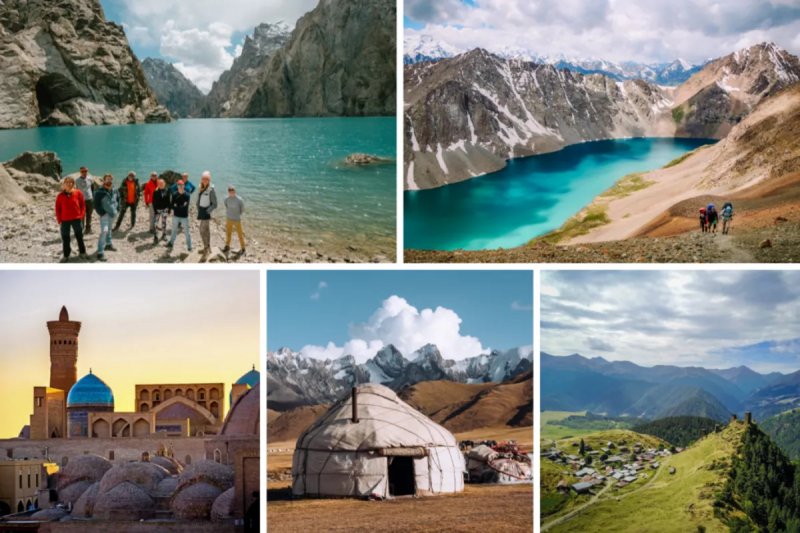
Central Asia is increasingly emerging as one of the world’s most intriguing and fastest growing tourism frontiers as governments seek to transform the historic Silk Road region into a major international travel destination through infrastructure modernization, visa reforms, cultural promotion, and regional connectivity projects.
For decades, much of Central Asia remained relatively isolated from global tourism due to Soviet era restrictions, limited infrastructure, political instability, and weak international marketing.
RECOMMENDED STORIES
Today, however, countries including Uzbekistan, Kazakhstan, Kyrgyzstan, Tajikistan, and Turkmenistan are investing heavily in tourism development as part of broader economic diversification strategies.
The region offers a rare combination of ancient Silk Road cities, Islamic architecture, dramatic mountain landscapes, nomadic culture, desert scenery, alpine lakes, eco tourism opportunities, adventure travel, and historical heritage stretching back thousands of years.
Governments increasingly believe tourism can generate foreign investment, create jobs, strengthen international visibility, and reduce economic dependence on energy exports and remittances.
The rise of digital travel culture, social media tourism, and global demand for less crowded destinations additionally benefits Central Asia’s growing appeal.
At the same time, the region faces major challenges including transportation limitations, infrastructure gaps, environmental pressures, political concerns, and competition from more established tourist destinations.
Whether Central Asia can fully transform itself into a global tourism powerhouse may depend on how successfully the region balances modernization, sustainability, and cultural preservation during coming decades.
Why is Central Asia attracting more tourists now?
Several major factors are driving rising international interest in Central Asia.
First, governments increasingly simplified visa procedures and expanded international flight connections.
Countries such as Uzbekistan and Kazakhstan introduced visa free or simplified entry systems for many nationalities.
Second, social media and travel blogging exposed global audiences to Central Asia’s landscapes, architecture, and Silk Road heritage.
Many travelers now seek destinations considered less commercialized and more culturally authentic.
Third, infrastructure improvements including new airports, railways, hotels, and tourism services made travel more accessible.
Fourth, geopolitical shifts and the rise of Eurasian transportation corridors increased international awareness of the region.
Adventure tourism, cultural tourism, eco tourism, and historical tourism all contribute to Central Asia’s growing popularity.
What makes Central Asia unique for travelers?
Central Asia offers an unusual combination of historical, cultural, and natural attractions rarely found together elsewhere.
The region contains legendary Silk Road cities including Samarkand, Bukhara, and Khiva, famous for Islamic architecture, ancient trade routes, and historical scholarship.
At the same time, countries such as Kyrgyzstan and Tajikistan possess spectacular mountain scenery suitable for trekking, skiing, mountaineering, horseback travel, and eco tourism.
Nomadic culture, traditional crafts, yurt camps, desert landscapes, alpine lakes, and Soviet era architecture further diversify the tourism experience.
Many travelers also value the region because tourism remains relatively undeveloped compared to heavily commercialized destinations elsewhere.
Why is Uzbekistan becoming the region’s tourism leader?
Uzbekistan emerged as the region’s most recognizable tourism destination largely because of its extraordinary Silk Road heritage.
Cities such as Samarkand, Bukhara, and Khiva contain some of the Islamic world’s most famous architectural and historical sites.
The government implemented major tourism reforms in recent years including visa liberalization, hotel development, transportation upgrades, and international marketing campaigns.
Uzbekistan also benefits from relatively good transportation infrastructure compared to some neighboring states.
The country increasingly positions itself as the cultural heart of Central Asia while promoting historical tourism, gastronomy, handicrafts, and heritage preservation.
International tourist arrivals rose significantly following reforms designed to open the country more fully to global visitors.
Why is Kyrgyzstan popular among adventure travelers?
Kyrgyzstan became especially attractive for adventure and eco tourism because of its dramatic mountain landscapes and nomadic traditions.
The country contains vast alpine scenery, lakes, glaciers, valleys, and trekking routes.
Issyk-Kul, one of the world’s largest alpine lakes, became a major tourism attraction.
Horseback riding, hiking, camping, skiing, and yurt tourism are particularly popular among international visitors seeking outdoor experiences.
Kyrgyzstan also developed a reputation for relatively open tourism policies and grassroots community based tourism initiatives.
Its natural landscapes increasingly attract travelers interested in sustainable tourism and adventure exploration.
How is Kazakhstan developing tourism?
Kazakhstan promotes itself as a modern Eurasian destination combining urban development, natural landscapes, and cultural diversity.
The country possesses enormous geographic variety including mountains, steppe regions, canyons, deserts, lakes, and modern cities.
Almaty increasingly attracts tourists because of nearby skiing resorts and mountain tourism opportunities.
Kazakhstan also invests heavily in transportation infrastructure, aviation connectivity, and hospitality development.
The government views tourism as part of broader economic diversification efforts beyond oil and gas dependence.
International events, business tourism, and ecotourism additionally play growing roles in Kazakhstan’s tourism strategy.
Why is Silk Road branding so important?
The Silk Road provides one of Central Asia’s strongest tourism brands internationally.
Historically, the Silk Road connected China, Central Asia, the Middle East, and Europe through trade, culture, and intellectual exchange.
Ancient caravans transported goods, religions, technologies, and ideas across the region.
Modern tourism campaigns heavily emphasize this heritage because it appeals strongly to international travelers interested in history and culture.
Silk Road branding also allows Central Asian countries to cooperate regionally rather than competing exclusively against each other.
The historical narrative helps position the region as a unified cultural crossroads linking civilizations across Eurasia.
How important is visa liberalization?
Visa reforms became one of the biggest drivers of tourism growth.
For many years, restrictive visa systems discouraged international visitors.
Several Central Asian countries later simplified entry procedures dramatically.
Uzbekistan especially introduced major visa liberalization policies for numerous countries.
Kazakhstan and Kyrgyzstan also expanded visa free access for many travelers.
Simplified entry systems make the region far more accessible and attractive internationally.
Improved air connectivity additionally supports rising tourism numbers.
Governments increasingly recognize that easier travel procedures are essential for developing competitive tourism industries.
Can tourism diversify regional economies?
Yes.
Many Central Asian economies remain heavily dependent on hydrocarbons, mining, remittances, or agriculture.
Tourism offers opportunities to diversify income sources while creating employment in hospitality, transportation, retail, construction, entertainment, and local crafts.
Rural tourism can additionally generate income in remote areas with limited industrial opportunities.
Governments therefore increasingly view tourism as both an economic and social development strategy.
However, tourism revenues alone are unlikely to replace energy exports entirely in resource rich countries such as Kazakhstan or Turkmenistan.
Still, tourism can become an increasingly important complementary sector.
Why is eco tourism becoming important?
Eco tourism is gaining popularity because Central Asia contains vast relatively untouched natural environments.
Mountain ecosystems, lakes, deserts, forests, and wildlife attract travelers interested in sustainable and nature based tourism.
Community based tourism initiatives in countries like Kyrgyzstan also support local economic development while preserving traditional lifestyles.
As global travelers increasingly seek environmentally conscious experiences, Central Asia’s relatively undeveloped landscapes become more attractive.
However, balancing tourism growth with environmental protection remains a major challenge.
How does infrastructure limit tourism growth?
Infrastructure remains one of the region’s biggest tourism obstacles.
Transportation between countries can still be difficult due to limited flights, border procedures, road quality, and rail connections.
Some tourist regions lack sufficient hotels, medical services, internet access, or tourism facilities.
Language barriers also remain challenges in certain areas.
Tourism services, guide training, and hospitality standards continue developing but vary significantly across the region.
Governments increasingly invest in airports, highways, hotels, and digital infrastructure to improve competitiveness.
Still, substantial modernization is needed for Central Asia to compete fully with more established tourism destinations.
What role does culture play in tourism development?
Cultural heritage forms the foundation of much of Central Asia’s tourism strategy.
Islamic architecture, nomadic traditions, music, cuisine, crafts, literature, and historical monuments all attract international interest.
Governments increasingly restore historical sites, support museums, and organize festivals promoting national culture.
Traditional cuisine including plov, lagman, kebabs, and fermented dairy products also became important parts of tourism marketing.
Cultural tourism helps countries strengthen international visibility while reinforcing national identity simultaneously.
How is social media helping the region?
Social media significantly accelerated Central Asia’s tourism growth.
Travel influencers, photographers, vloggers, and bloggers increasingly showcase the region’s landscapes and historical cities to global audiences.
Images of mountain lakes, Silk Road architecture, yurt camps, and desert scenery gained popularity online.
Digital exposure helped transform Central Asia from an obscure destination into an increasingly fashionable travel trend among adventurous tourists.
Online visibility also allows smaller tourism businesses to reach international customers directly.
Why is regional cooperation important?
Tourists often prefer visiting multiple Central Asian countries during one trip because of shared Silk Road heritage and geographic proximity.
Regional cooperation involving visas, transportation, border procedures, and tourism marketing therefore becomes increasingly important.
Improved connectivity could significantly boost multi country tourism routes.
Some governments already cooperate through Silk Road tourism initiatives and regional cultural programs.
Stronger integration may ultimately strengthen Central Asia’s overall global tourism competitiveness.
Could political issues affect tourism growth?
Yes.
Political stability strongly influences tourism development.
Border disputes, security concerns, authoritarian governance perceptions, and regional instability can discourage visitors and investors.
Afghanistan’s proximity also shapes international perceptions despite most tourist areas remaining far from conflict zones.
Governments therefore increasingly seek to improve international image and regional stability while modernizing tourism infrastructure.
What role does climate change play?
Climate change may create both opportunities and challenges.
Warmer temperatures could extend tourism seasons in some areas.
However, glacier melting, water shortages, desertification, and environmental degradation threaten natural attractions and infrastructure.
Sustainable tourism policies will therefore become increasingly important.
Governments may need to balance tourism expansion carefully with environmental protection and resource management.
Can Central Asia compete globally as a tourism destination?
Central Asia likely will not compete directly with mass tourism destinations such as France, Thailand, or Türkiye in the near future.
However, the region possesses strong potential as a specialized destination for cultural tourism, adventure tourism, eco tourism, and Silk Road travel.
Its uniqueness is actually part of its appeal.
Travelers increasingly seek authentic, less crowded, and culturally rich experiences beyond traditional tourism centers.
If infrastructure, connectivity, and services continue improving, Central Asia could become one of the world’s most important emerging tourism regions.
What does the future look like?
Tourism across Central Asia is expected to continue growing significantly during coming decades.
Governments are likely to deepen investments in infrastructure, aviation, digital promotion, and cultural preservation.
The Middle Corridor and broader Eurasian connectivity projects may additionally improve accessibility.
Adventure tourism, eco tourism, and historical tourism will probably remain the region’s strongest advantages.
At the same time, sustainability and environmental management will become increasingly important as visitor numbers rise.
Central Asia’s tourism future will ultimately depend on whether the region can modernize infrastructure while preserving the cultural authenticity and natural beauty that make it unique in the first place.
By Faig Mahmudov


Similar news