Will Donald Trump persist in efforts to reclaim Bagram airbase despite the Taliban’s rejection? Here’s what we know so far


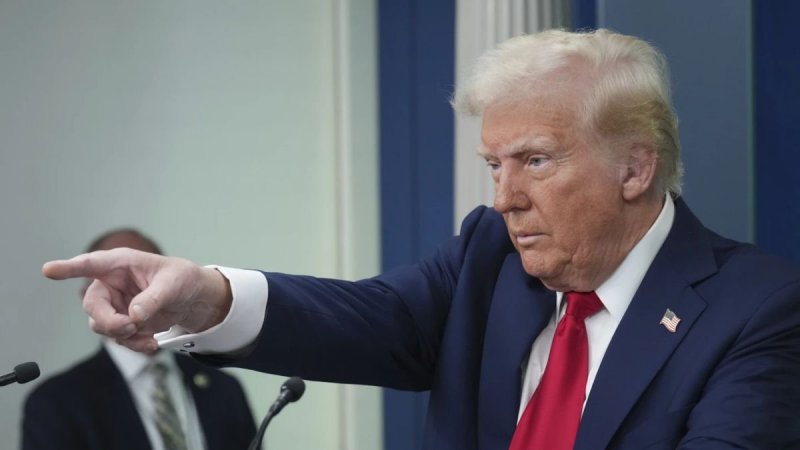
The Taliban rejected Donald Trump’s call for the US to retake control of Afghanistan’s Bagram airbase, which he said had been built by America.
Afghanistan's Taliban government on Sunday dismissed US President Donald Trump’s request to regain control of Bagram airbase, calling such a deal "not possible.", News.Az reports citing the The Week.
Trump had expressed the wish on Thursday to retake the key base, which had hosted American forces during two decades of post-9/11 US-Afghanistan operations.
However, officials have cautioned that attempts to re-occupy Bagram—given strong Taliban opposition—would require more than 10,000 troops and advanced air defences, and would be seen as a re-invasion of the country, current and former US officials said, as per a Reuters report.
Trump also claimed in a Truth Social post earlier today that the Bagram airbase was built by the US, and that "bad things are going to happen" if Afghanistan were to refuse.
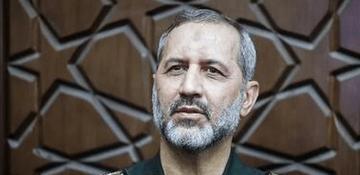
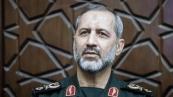
“Afghanistan is fully independent, governed by its own people, and not dependent on any foreign power,” Chief of Staff of the Armed Forces Fasihuddin Fitrat said on state-run TV. He was speaking at an event in Kabul.
“We do not fear any bully or aggressor," he added, emphasising that any hostility would trigger the “strongest” response.
A US official also told Reuters that there was no active planning to militarily take over the Bagram air base, as the move would isolate the US on the international stage.
In his UK visit on Thursday, Trump had also hinted at the airbase's proximity to China—as a reason behind his wish—as well as a possible US-Taliban negotiation.
"I don't think there's a particular military advantage to being up there ... The risks sort of outweigh the advantages," a former senior US defence official said.
Indeed, it would prove difficult for the US to even operate and protect the base after a hypothetical takeover, owing to a host of threats—including Islamic State and Al Qaeda militants—while suffering international isolation.


Similar news