A new era of relations in the Middle East: The impact of the Iranian elections


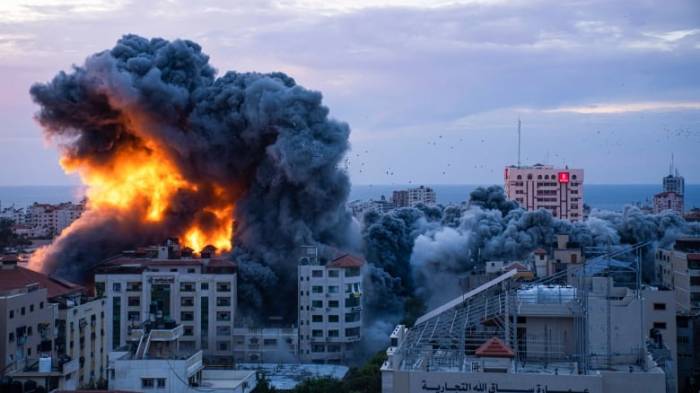
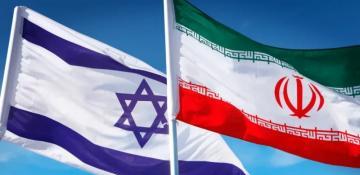
The unprovoked aggression by Hamas against the State of Israel, which began on October 7, 2023, has been ongoing for over 9 months, gradually dragging Middle Eastern countries into the conflict. The region has clearly divided into supporters and opponents of Iran, which openly backs the "axis of evil" or, according to Iranian terminology, the "resistance," although it is unclear whom they are resisting.
The recent presidential elections in Iran have provided hope for a possible change in the confrontational course of the Islamic leadership. Newly elected President of Iran Masoud Pezeshkian stated , "We will welcome sincere efforts to ease tensions and will reciprocate good faith," starting from within Iran and then spreading beyond its borders. He called for the expansion of relations with Turkey, Saudi Arabia, Oman, Iraq, Bahrain, Qatar, Kuwait, and the United Arab Emirates.However, Israel is absent from this equation. The fight against this state, referred to as the "Zionist entity," remains on the Islamic leadership's agenda. The Lebanese Shia group, under orders from Tehran, will continue shelling Israel, and the emboldened Houthis from the Ansar Allah group continue to block the Bab-el-Mandeb Strait, disrupting global shipping and periodically launching drones and missiles toward Israel. The Houthis have attacked Israel more than 200 times.
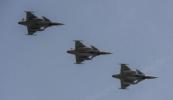
On July 19, Jerusalem's patience reached a critical point: as a result of a drone strike launched by the Houthis on Tel Aviv, which landed near the American diplomatic mission, a 50-year-old Israeli citizen was killed, and four others were injured. Retaliation was swift and decisive. On July 20, Israeli fighter jets struck Houthi targets in the port area of Hodeidah in Yemen. During the operation, targets 1,800 km from Israel's border were hit, surprising Iran and revealing its vulnerability to possible counterattacks. The operation was named "Long Arm" to emphasize Israel's ability to fight enemies at any distance. The operation involved F-15 and F-35 aircraft and was deemed unprecedented.
According to Yemen's Ministry of Health, three people were killed, and more than 80 were injured as a result of Israeli airstrikes on oil facilities and a power plant in Hodeidah. Official spokesman for Iran's Ministry of Foreign Affairs Nasser Kanaani condemned the Israeli attacks and warned of the danger of escalating tensions. Hezbollah also condemned the attack on the port area, calling it a "foolish step, marking a new and dangerous phase of the ongoing confrontation."
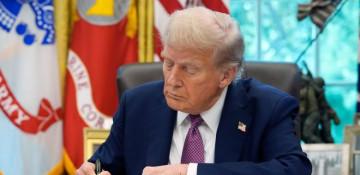
However, all these actions by Iranian proxies are unlikely to save Hamas, which is "more dead than alive." Significant changes are on the horizon in the US, both in foreign and domestic policy. Speaking at a campaign rally, Republican presidential candidate Donald Trump warned Hamas of the need to release hostages before he takes office.
Plans for restructuring the Gaza Strip are being discussed. A significant part of the northern territory will become a buffer zone, and most displaced persons in Gaza will never be able to return to the northern part of the coastal strip. There is a high likelihood of establishing permanent Israeli control in the Philadelphi corridor on the border with Egypt. Possible scenarios for joint administration of the sector by Israel, the UAE, Jordan, and even Morocco are being considered.
The UAE already has experience managing territories beyond its borders, such as Ras Al Hekma — a coastal strip on the Mediterranean Sea purchased from Egypt for $35 billion. UAE investments could revive Egypt's economy and provide an influx of new funds amounting to $150 billion. Egypt will receive 35% of the project's profits and participate in the construction of an airport. The planned city of Ras Al Hekma will cover 170 square kilometers and will be a fully functional urban community with a port, financial center, tourism, housing, and a nature area. The financial capabilities of the UAE make it possible to create similar opportunities for the population of Gaza, which is highly educated and has a skilled workforce. If freed from radical ideology, this enclave could become a haven of stability, prosperity, and peaceful coexistence with its neighbors.
(If you possess specialized knowledge and wish to contribute, please reach out to us at opinions@news.az).


Similar news