Asian Parliamentary Assembly: Plans and prospects


Editor's note: Teymur Atayev is an Azerbaijani publicist, historian, political scientist, and host of the program "Aspects of Foreign Affairs" on the Azerbaijani CBC TV channel (broadcasts in Russian). The article expresses the personal opinion of the author and may not coincide with the view of News.Az
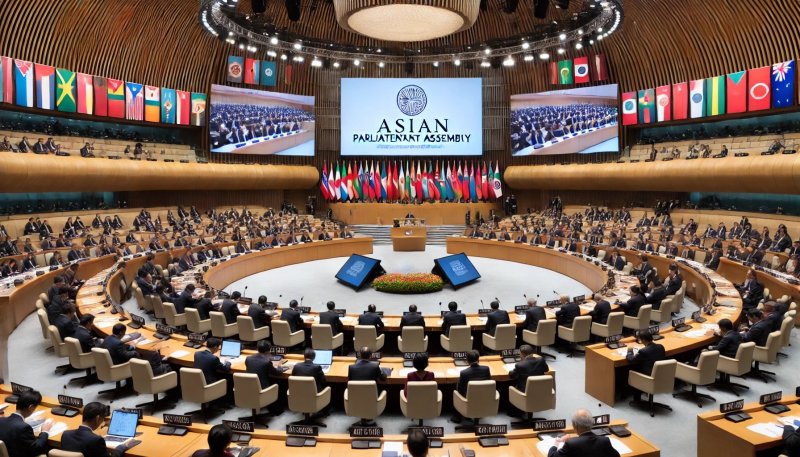
Amid last week’s tectonic geopolitical shifts of global significance, many important events remained in the shadows of the global public eye. One such event was the conclusion of the 15th Plenary Session of the Asian Parliamentary Assembly (APA) in Baku, themed “The Role of Parliamentary Diplomacy in Strengthening Multilateral Cooperation in Asia.” The significance of this summit is underscored by the participation of 35 delegations, comprising nearly 300 delegates. Given its importance, let us take a closer look at the event and its key outcomes.
To begin with, it is worth recalling that the primary goal of the APA—chaired by Azerbaijan for the 2024-2025 term—is to coordinate the efforts of national parliaments in addressing contemporary challenges, particularly by enhancing their role in ensuring peace in the Asian region. In this regard, the APA emerges as a crucial structure for inter-parliamentary dialogue, fostering collective strategies for security and stability in Asia.
These aspects were highlighted in the speech of Sahiba Gafarova, Speaker of the Milli Majlis of Azerbaijan, who identified “the violation of international legal norms and principles, the application of double standards, selective approaches, and interference in the internal affairs of states” as the root causes of today’s global contradictions and tensions. She emphasized that the most reliable way to overcome these negative trends and ensure global stability and prosperity is through “the strengthening of the multilateral system.” In this context, the APA’s prospects take on particular importance, as its immense potential and maximum effectiveness can be fully realized through the collective efforts of its member states.
Source: AzerTag
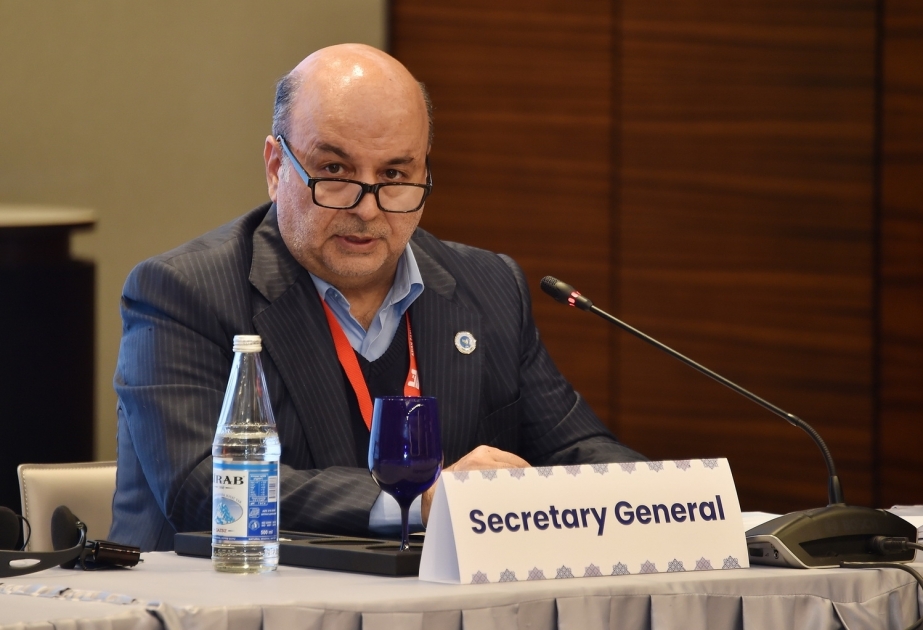
In turn, APA Secretary-General Mohammad Reza Majidi praised Azerbaijan’s successful chairmanship of the organization. He noted that concrete steps are being taken to strengthen ties between APA members across various sectors and to expand the Assembly’s reach. Majidi described the APA as a vital platform in Asia for fostering intergovernmental relations.
Against the backdrop of the common challenges facing APA member states on their path to stability, cooperation, and development, Shaoyu Gu, Deputy Chairman of the Committee on Education, Science, Culture, and Health of the National People's Congress of China, stressed that although Asian countries have different political systems, levels of economic development, and social traditions, they “can learn from each other for mutual benefit and shared progress.”
Tanzila Narbayeva, Chairwoman of the Senate of Uzbekistan’s Oliy Majlis, expressed confidence that “the APA’s coordinating role will serve as a powerful resource in inter-parliamentary and intergovernmental relations among Asian countries.” Meanwhile, Bhutan’s National Assembly Speaker, Lungten Dorji, highlighted how parliamentary diplomacy complements and reinforces “traditional diplomatic efforts.” He stated that through open dialogue and enhanced cooperation, “we can contribute to shaping policies that balance economic progress, social justice, and environmental sustainability.”
At the same time, Kairat Sarybay, Secretary-General of the Conference on Interaction and Confidence-Building Measures in Asia (CICA), emphasized the importance of closer collaboration between the two organizations. He noted that such cooperation would facilitate “the expansion of institutional partnerships, the promotion of peace, stability, and sustainable development through an effective multilateral approach.”
Source: TRT
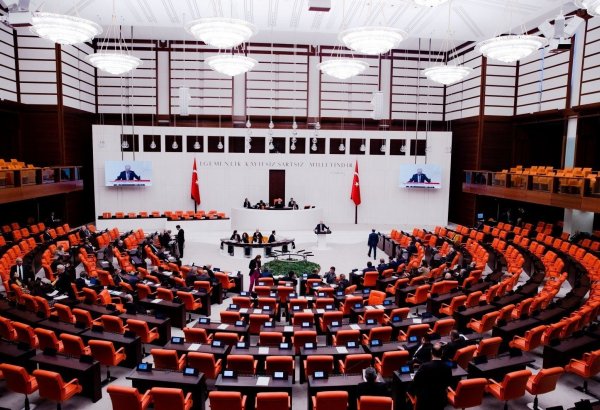
Vedci Gündoğdu, a member of Türkiye’s Grand National Assembly, supported the creation of a Council of Women Parliamentarians within the APA and underscored the need to counter “the cultivation of hate speech and insults against Muslims in the West.” He advocated for a global framework that ensures “everyone can live in peaceful conditions.”
The geopolitical importance of the 15th APA session is evidenced by the fact that several forum participants were received by Azerbaijani President Ilham Aliyev. During his meeting with Mohammad-Bagher Ghalibaf, Speaker of Iran’s Islamic Consultative Assembly, President Aliyev touched on cooperation in trade, economics, transport, energy, and other fields, stressing the significance of the North-South transport corridor. He also stated that regional issues should be resolved exclusively by regional countries, without the intervention of external forces. Supporting this stance, Ghalibaf voiced his approval of the “3+3” format as an effective mechanism for regional cooperation.
The geopolitical nuances discussed in this meeting strongly indicate that under Azerbaijan’s chairmanship, the APA has begun to tackle issues of global resonance. This is further reflected in the Baku Declaration, adopted at the conclusion of the 15th APA session, which highlighted the importance of strengthening political, economic, and social cooperation in Asia, promoting multilateralism, and jointly addressing global and regional challenges.
Adding to the APA’s growing geopolitical significance is the fact that among the eight resolutions approved by the organization’s Standing Committee on Political Affairs were:
- “Building Prosperity in Asia through Friendship and Cooperation”
- “Asian Parliaments and Governments Working Together for Regional Prosperity”
- “Harmonious Development through Democracy”
- “Enhancing Cooperation among APA Members to Protect and Promote Multilateralism”
Additionally, Oman was officially admitted as a permanent member of the APA, while Belarus joined as an observer. Notably, Natalia Kochanova, Speaker of the Upper House of the Belarusian Parliament, called on dialogue partners to unite efforts toward “the international legal recognition of sovereignty as an inalienable right of states to independently organize and conduct elections.” She also emphasized the importance of jointly building “indivisible and fair global security.”
Source: AzerTag
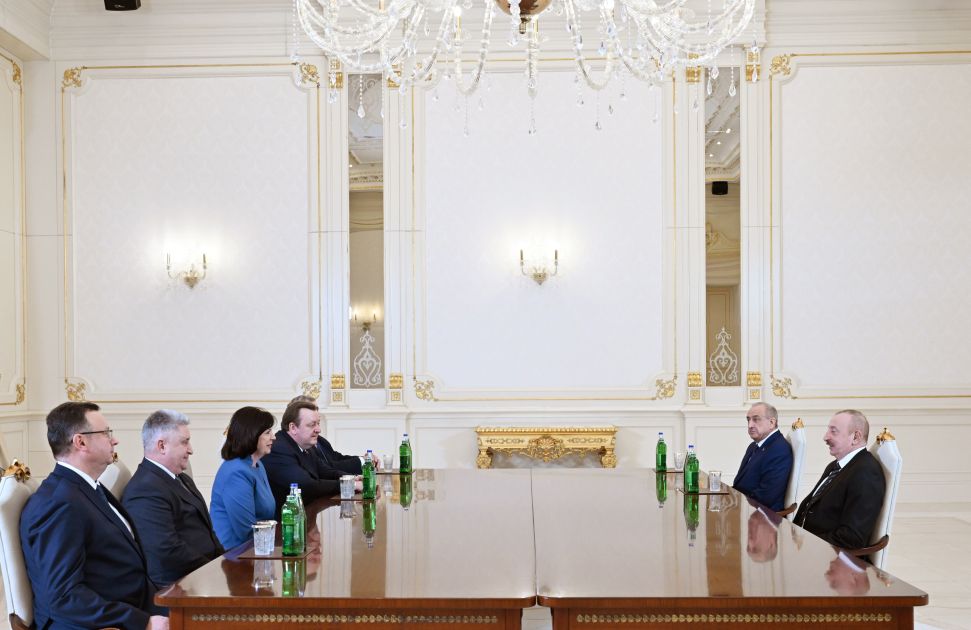
During her meeting with President Ilham Aliyev on the sidelines of the APA session, Kochanova conveyed warm regards from Belarusian President Alexander Lukashenko, stating that he “always speaks fondly of the brotherly Azerbaijani people and considers you a dear friend and brother. We greatly appreciate this.” She further noted that the APA summit provided an opportunity for the Belarusian delegation to engage with colleagues, to which President Aliyev responded with a call for “more frequent meetings.”
Thus, the APA is rapidly gaining momentum, and this is no coincidence. The reason is simple—Azerbaijan is at the helm, and its successful leadership of the Non-Aligned Movement (NAM) has already demonstrated Baku’s ability to navigate and lead a major international organization. This is especially relevant in the context of the emerging new world order unfolding before our eyes.
(If you possess specialized knowledge and wish to contribute, please reach out to us at opinions@news.az).


Similar news