Azerbaijan's early parliamentary elections: What to expect?


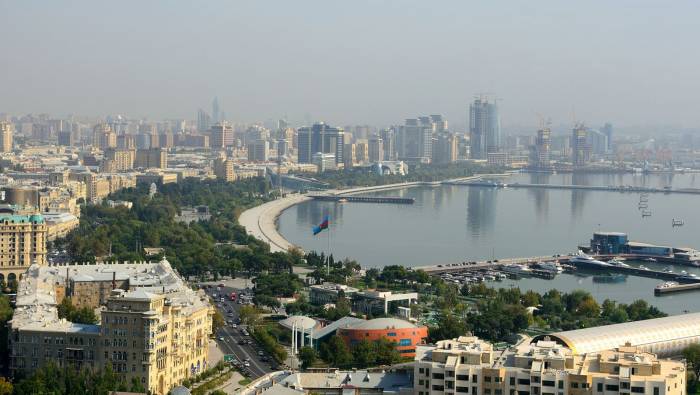
On September 1, 2024, Azerbaijan is gearing up for early parliamentary elections, a significant event in the nation's political journey. This vote isn't just about timing—it's about the broader participation and the potential shift in the country's political direction. As the second early parliamentary election covering all of Azerbaijan's sovereign territory, these elections promise to introduce new dynamics and complexities to the political scene.
Originally planned for November 2024, the elections were unexpectedly moved up. This change was necessary to avoid clashing with the 29th United Nations Climate Change Conference, also scheduled for November in Azerbaijan. The ruling New Azerbaijan Party highlighted the strain that overlapping these events would place on national resources and organization. As a result, in June 2024, the Milli Majlis (National Assembly) recommended dissolving the parliament to the president under Article 98-1 of the Azerbaijani Constitution. This proposal saw widespread support, reflecting a national consensus to prioritize strategic interests.
On June 28, 2024, the President of Azerbaijan signed a decree dissolving the sixth parliament and calling for new elections on September 1. This move highlights a strategic effort to balance the country's domestic and international commitments, showing dedication to both internal political processes and global engagement.
The upcoming elections will feature an unprecedented number of political parties and candidates, signaling a broader political spectrum in Azerbaijan. A total of 25 political parties have registered candidates, including major ones like the "People's Party of Azerbaijan," the "Democratic Party of Azerbaijan," the "National Front Party," and "New Azerbaijan." This diverse participation is expected to make the elections more competitive, potentially reshaping the parliamentary landscape.
What's particularly notable is the diversity among the candidates. Over 1,000 candidates are running, with 39.4% being young politicians aged 18 to 39. This surge of youthful energy brings fresh perspectives to the political arena. Additionally, 26.4% of the candidates are women, emphasizing a push for greater gender representation in Azerbaijan's political process. This influx of young and female candidates could lead to more dynamic and inclusive policy debates in the new parliament.
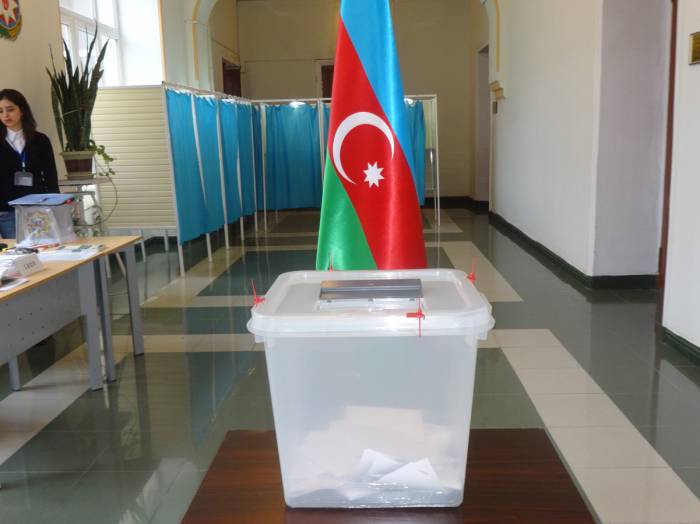
Transparency and legitimacy are crucial in any democratic process, and Azerbaijan's 2024 parliamentary elections are no exception. To enhance the credibility of the electoral process, Azerbaijan has invited a large number of international observers. By August 27, over 111,000 local observers and 267 international representatives from 46 countries and 29 organizations had been accredited to monitor the elections. This includes representatives from the OSCE, the CIS Interparliamentary Assembly, and other international bodies.
The presence of such a diverse group of observers highlights the significance of these elections not just for Azerbaijan but for the international community. Their role will be crucial in ensuring the elections are fair and transparent, and their findings will likely shape how the world views Azerbaijan's commitment to democratic principles.
The nomination process has been highly active, demonstrating strong political engagement across the country. As of August 8, the Central Election Commission (CEC) had registered 1,052 candidates, including 308 from various political parties. This high level of participation indicates a strong desire among political actors to shape Azerbaijan's future and suggests a competitive environment that could lead to significant changes in parliament.
Many candidates are also embracing digital platforms and social media to connect with voters, especially younger ones. This digital shift in Azerbaijani politics reflects global trends toward more interactive and accessible political discourse.
The outcomes of the September 1 elections will be pivotal for Azerbaijan's political future. The results will not only reveal the current political climate but could also set the pace for future reforms. With a diverse group of candidates and increased participation from underrepresented groups, the new parliament might introduce significant policy changes.
Observers will be closely watching how these elections unfold, especially with the introduction of new electoral mechanisms and greater media freedoms. These developments could set new standards for electoral transparency and democratic practice in Azerbaijan and potentially influence political trends in the broader region.
Overall, the 2024 parliamentary elections in Azerbaijan are shaping up to be a landmark event, offering a chance to reflect on the country's democratic progress and future direction. With an engaged electorate, a diverse pool of candidates, and international scrutiny, these elections could mark a turning point in Azerbaijan's political evolution, fostering a more inclusive, transparent, and dynamic political landscape.
Originally planned for November 2024, the elections were unexpectedly moved up. This change was necessary to avoid clashing with the 29th United Nations Climate Change Conference, also scheduled for November in Azerbaijan. The ruling New Azerbaijan Party highlighted the strain that overlapping these events would place on national resources and organization. As a result, in June 2024, the Milli Majlis (National Assembly) recommended dissolving the parliament to the president under Article 98-1 of the Azerbaijani Constitution. This proposal saw widespread support, reflecting a national consensus to prioritize strategic interests.
On June 28, 2024, the President of Azerbaijan signed a decree dissolving the sixth parliament and calling for new elections on September 1. This move highlights a strategic effort to balance the country's domestic and international commitments, showing dedication to both internal political processes and global engagement.
The upcoming elections will feature an unprecedented number of political parties and candidates, signaling a broader political spectrum in Azerbaijan. A total of 25 political parties have registered candidates, including major ones like the "People's Party of Azerbaijan," the "Democratic Party of Azerbaijan," the "National Front Party," and "New Azerbaijan." This diverse participation is expected to make the elections more competitive, potentially reshaping the parliamentary landscape.
What's particularly notable is the diversity among the candidates. Over 1,000 candidates are running, with 39.4% being young politicians aged 18 to 39. This surge of youthful energy brings fresh perspectives to the political arena. Additionally, 26.4% of the candidates are women, emphasizing a push for greater gender representation in Azerbaijan's political process. This influx of young and female candidates could lead to more dynamic and inclusive policy debates in the new parliament.
Transparency and legitimacy are crucial in any democratic process, and Azerbaijan's 2024 parliamentary elections are no exception. To enhance the credibility of the electoral process, Azerbaijan has invited a large number of international observers. By August 27, over 111,000 local observers and 267 international representatives from 46 countries and 29 organizations had been accredited to monitor the elections. This includes representatives from the OSCE, the CIS Interparliamentary Assembly, and other international bodies.
The presence of such a diverse group of observers highlights the significance of these elections not just for Azerbaijan but for the international community. Their role will be crucial in ensuring the elections are fair and transparent, and their findings will likely shape how the world views Azerbaijan's commitment to democratic principles.
The nomination process has been highly active, demonstrating strong political engagement across the country. As of August 8, the Central Election Commission (CEC) had registered 1,052 candidates, including 308 from various political parties. This high level of participation indicates a strong desire among political actors to shape Azerbaijan's future and suggests a competitive environment that could lead to significant changes in parliament.
Many candidates are also embracing digital platforms and social media to connect with voters, especially younger ones. This digital shift in Azerbaijani politics reflects global trends toward more interactive and accessible political discourse.
The outcomes of the September 1 elections will be pivotal for Azerbaijan's political future. The results will not only reveal the current political climate but could also set the pace for future reforms. With a diverse group of candidates and increased participation from underrepresented groups, the new parliament might introduce significant policy changes.
Observers will be closely watching how these elections unfold, especially with the introduction of new electoral mechanisms and greater media freedoms. These developments could set new standards for electoral transparency and democratic practice in Azerbaijan and potentially influence political trends in the broader region.
Overall, the 2024 parliamentary elections in Azerbaijan are shaping up to be a landmark event, offering a chance to reflect on the country's democratic progress and future direction. With an engaged electorate, a diverse pool of candidates, and international scrutiny, these elections could mark a turning point in Azerbaijan's political evolution, fostering a more inclusive, transparent, and dynamic political landscape.
(If you possess specialized knowledge and wish to contribute, please reach out to us at opinions@news.az).


Similar news