Bagrat's march on Yerevan


By Tural Heybatov
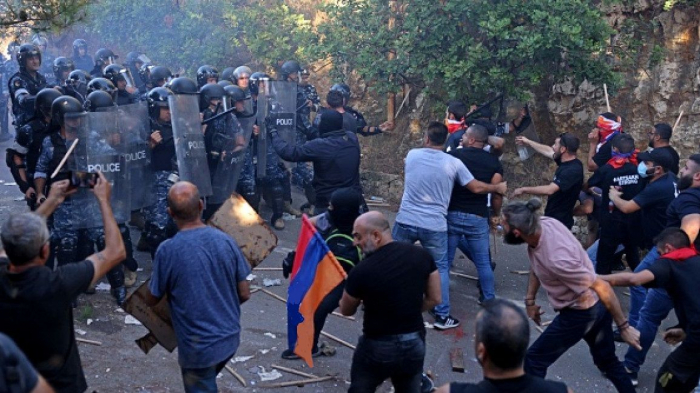
Priest Bagrat Srbazan actively supports the protest sentiments among the residents of Kiren, Voskepar, and other villages in the Tavush region bordering Azerbaijan. He has begun a march towards Yerevan. The protests in Armenia are not merely a spontaneous reaction to the return of villages to Azerbaijan, transferred as part of the border delimitation process. This is the culmination of long-standing dissatisfaction that has been intensifying each day due to the lack of political stability and economic progress. The discontent, which accumulated after the defeat in the 44-day war, has created fertile ground for the opposition, now attempting to leverage the situation for its purposes.
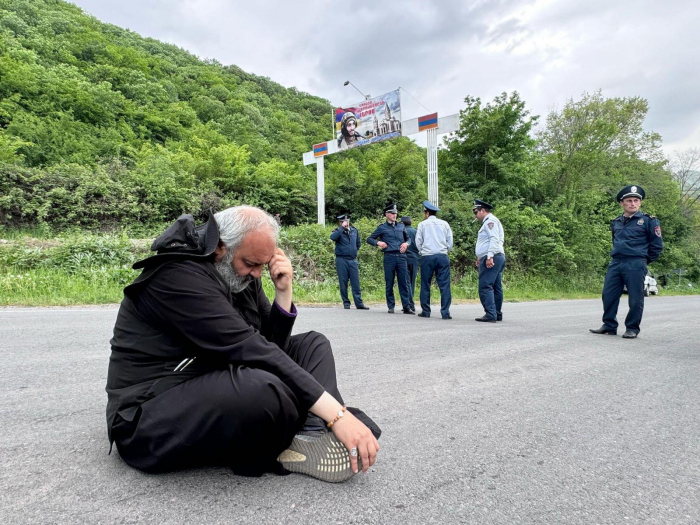
At the center of the current events is Robert Kocharyan, the former President of Armenia, a representative of the Karabakh clan, who is trying to regain his lost influence. His strategy, however, appears counterproductive and desperate. Demonstrations, road blockades, and mass protest actions demonstrate a lack of genuine support among the population. Drone footage shows that only a small number of people are participating in the march with Srbazan. The videos also capture traffic jams that are mistakenly interpreted as active public participation.
The scenario unfolding in Armenia resembles a tragicomedy where real problems and life's hardships are used as tools in a political game. The involvement of the church, traditionally a pillar of Armenian national identity, now risks becoming just another tool in the hands of political manipulators.
In such a situation, it is important to ask: who really benefits from the ongoing chaos? While Armenian society awaits the end of this drama, the intensity of passions only increases. Dissatisfaction and disillusionment due to external threats and internal disorders become a breeding ground for extremism and radicalism. Although the protests seem to have started over specific territorial concessions, their roots go deeper—touching on issues of national self-awareness, sovereignty, and the future of state building.
One of the most troubling aspects of the current situation is the use of religious symbols and personalities for political purposes. This creates a dangerous precedent where spiritual leaders, instead of serving as beacons of moral stability and support, become active participants in political battles. This not only undermines the church's authority but also destabilizes public perception of religion as a sacrosanct refuge from worldly turmoil.
Robert Kocharyan's political motivations and his supporters are perceived by many as an attempt to revive old regimes that have long dominated Armenian politics. Their attempts to return to power through organizing protests seem to lack broad resonance among the Armenian people, who are tired of endless political instability and are seeking genuine reform and renewal.
For many Armenians, issues of economic stability, social well-being, and the development of civil society are more important than historical justice or territorial claims. Protests that start as political manifestations often evolve into reflections of deep social and economic issues that cannot be resolved with political slogans alone.
As Armenian authorities and opposition groups vie for influence, the real needs of the population remain unaddressed. In this power struggle, the well-being and security of ordinary citizens, who should be the focus of any government policy, are often overlooked. Ultimately, both the government and the opposition should address these to find real solutions to current crises.
It is especially important that all parties to the conflict—the Armenian authorities and the opposition—recognize the need for compromise and cooperation. Continued confrontation only exacerbates political instability and social tensions, undermining opportunities for economic growth and improving the lives of ordinary Armenians. These issues require the collective efforts of all sectors of Armenian society—from the government to civic organizations and from ordinary citizens to business leaders.
One of the cornerstones of Armenia's future should be a commitment to sustainable peace and security, based on respect for the rights and freedoms of all the country's citizens. Political accountability, transparency of government actions, and openness to dialogue with the public are critically important elements on this path.
To advance, the Armenian people and their leaders must demonstrate a willingness to reconcile and strive for national well-being, placing it above personal or group interests. Only then can Armenia achieve the true independence and stability necessary for prosperity in the modern world.
Priest Bagrat Srbazan actively supports the protest sentiments among the residents of Kiren, Voskepar, and other villages in the Tavush region bordering Azerbaijan. He has begun a march towards Yerevan. The protests in Armenia are not merely a spontaneous reaction to the return of villages to Azerbaijan, transferred as part of the border delimitation process. This is the culmination of long-standing dissatisfaction that has been intensifying each day due to the lack of political stability and economic progress. The discontent, which accumulated after the defeat in the 44-day war, has created fertile ground for the opposition, now attempting to leverage the situation for its purposes.
At the center of the current events is Robert Kocharyan, the former President of Armenia, a representative of the Karabakh clan, who is trying to regain his lost influence. His strategy, however, appears counterproductive and desperate. Demonstrations, road blockades, and mass protest actions demonstrate a lack of genuine support among the population. Drone footage shows that only a small number of people are participating in the march with Srbazan. The videos also capture traffic jams that are mistakenly interpreted as active public participation.
The scenario unfolding in Armenia resembles a tragicomedy where real problems and life's hardships are used as tools in a political game. The involvement of the church, traditionally a pillar of Armenian national identity, now risks becoming just another tool in the hands of political manipulators.
In such a situation, it is important to ask: who really benefits from the ongoing chaos? While Armenian society awaits the end of this drama, the intensity of passions only increases. Dissatisfaction and disillusionment due to external threats and internal disorders become a breeding ground for extremism and radicalism. Although the protests seem to have started over specific territorial concessions, their roots go deeper—touching on issues of national self-awareness, sovereignty, and the future of state building.
One of the most troubling aspects of the current situation is the use of religious symbols and personalities for political purposes. This creates a dangerous precedent where spiritual leaders, instead of serving as beacons of moral stability and support, become active participants in political battles. This not only undermines the church's authority but also destabilizes public perception of religion as a sacrosanct refuge from worldly turmoil.
Robert Kocharyan's political motivations and his supporters are perceived by many as an attempt to revive old regimes that have long dominated Armenian politics. Their attempts to return to power through organizing protests seem to lack broad resonance among the Armenian people, who are tired of endless political instability and are seeking genuine reform and renewal.
For many Armenians, issues of economic stability, social well-being, and the development of civil society are more important than historical justice or territorial claims. Protests that start as political manifestations often evolve into reflections of deep social and economic issues that cannot be resolved with political slogans alone.
As Armenian authorities and opposition groups vie for influence, the real needs of the population remain unaddressed. In this power struggle, the well-being and security of ordinary citizens, who should be the focus of any government policy, are often overlooked. Ultimately, both the government and the opposition should address these to find real solutions to current crises.
It is especially important that all parties to the conflict—the Armenian authorities and the opposition—recognize the need for compromise and cooperation. Continued confrontation only exacerbates political instability and social tensions, undermining opportunities for economic growth and improving the lives of ordinary Armenians. These issues require the collective efforts of all sectors of Armenian society—from the government to civic organizations and from ordinary citizens to business leaders.
One of the cornerstones of Armenia's future should be a commitment to sustainable peace and security, based on respect for the rights and freedoms of all the country's citizens. Political accountability, transparency of government actions, and openness to dialogue with the public are critically important elements on this path.
To advance, the Armenian people and their leaders must demonstrate a willingness to reconcile and strive for national well-being, placing it above personal or group interests. Only then can Armenia achieve the true independence and stability necessary for prosperity in the modern world.


Similar news