By arming Armenia, India risks economic relations with Azerbaijan


By Tural Heybatov
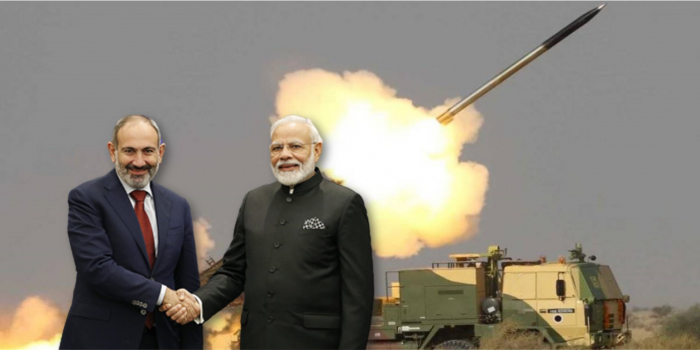
India continues to actively militarize Armenia, making it the largest buyer of Indian weapons. According to the Indian news agency IADN, the volume of arms deliveries to Armenia in the 2024–2025 fiscal year has already reached $600 million, and this figure is likely to grow. This fact highlights not only Armenia's military ambitions but also India's strategic interests to strengthen its geopolitical position in the region.
India views this alliance's strengthening as a threat to its interests and, by using Armenia, seeks to weaken this alliance. New Delhi's immediate goal is to support Armenia as a counterbalance to this alliance, especially considering the historical tensions between Armenia and Azerbaijan.
After Armenia's defeat in the Second Karabakh War, India signed a $40 million defense agreement with Armenia for the supply of Swathi radars. This move aligned with India's policy aimed at strengthening its positions in the region. India's political support for Armenia is not a new phenomenon. As early as 2008, India opposed a UN resolution proposed by Azerbaijan regarding the status of Karabakh, clearly indicating its sympathies in the conflict.
Given Armenia's troubled relations with Azerbaijan, Turkey, and Pakistan, India continues to use Armenia as a tool to fuel tensions in the region. This could lead to new conflicts, threatening not only stability in the South Caucasus but also the economic interests of both India and Azerbaijan.
Economic relations between India and Azerbaijan are now under threat. In 2023, the trade volume between the countries exceeded $1 billion, including purchases of Indian pharmaceuticals and Azerbaijani oil. India purchased over one million tons of oil in the first half of 2023. However, by arming Armenia, India risks its economic cooperation with Azerbaijan, potentially undermining stable relations between the countries.
The continued armament of Armenia may lead to a new wave of tensions in the South Caucasus, where the geopolitical situation is already quite complex. The escalation of the conflict threatens catastrophic consequences not only for Armenia but for the entire region, which serves as an important transport and energy hub between East and West. The risks of possible clashes can significantly destabilize the situation and negatively impact international trade routes passing through Azerbaijan.
Armenia, relying on arms supplies from India, risks finding itself in a situation where military ambitions exceed the capabilities of national defense. This could lead to a new wave of armed confrontation with Azerbaijan, exacerbating the already fragile stability in the region. However, despite external support, Armenia will find it difficult to resist strategically and economically more powerful opponents like Azerbaijan and its allies.
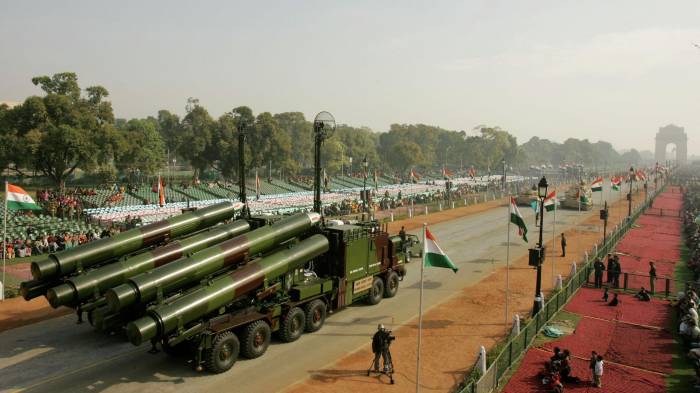
At the same time, India, focusing on military-technical cooperation with Armenia, may miss the opportunity to expand its economic ties in the region. Azerbaijan is an important partner for many countries, including India, due to its energy resources and key position on transport routes such as the North-South Corridor, connecting Europe with Asia. Deepening economic cooperation with Azerbaijan would bring significant benefits to India, while increasing military tensions with Armenia could lead to deteriorating relations with Baku.
Furthermore, by arming Armenia, India risks tarnishing its reputation as a country striving for peaceful resolution of international conflicts. Supporting one of the parties to a territorial dispute can be perceived as an attempt to destabilize the regional environment and gain political dividends at the expense of other countries' interests. This may complicate India's participation in future diplomatic initiatives in the region and undermine trust in it as a reliable partner.
India should rethink its strategic interests and, instead of maintaining military tensions, focus on strengthening economic ties with the leading countries in the region, such as Azerbaijan. A shift towards economic cooperation would avoid unwanted escalation and create favorable conditions for mutually beneficial partnerships that will contribute to the sustainable development of the entire region and strengthen India's position on the international stage.


Similar news