Economic war between the US and China is gaining momentum


Photo: Financial Times
By Tural Heybatov
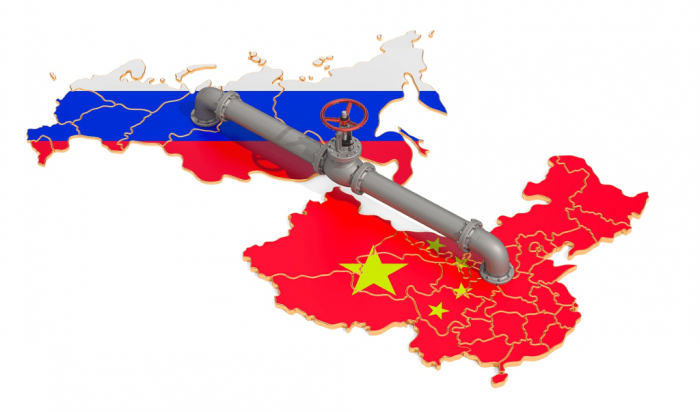
US Treasury Secretary Janet Yellen has threatened China with “significant consequences” for providing material support to Russia in the conflict in Ukraine. She made this statement on Monday during a virtual meeting with Chinese Vice Premier He Lifeng.In recent months, the American side has been using meetings with Chinese officials to raise various issues. This time, Yellen once again brought up China’s “non-market policies” and its excess industrial capacity, which she believes harms American companies. To back up these claims, the Secretary accused China of supporting “malicious cyber actors” and of giving material support to Russia in its war against Ukraine.
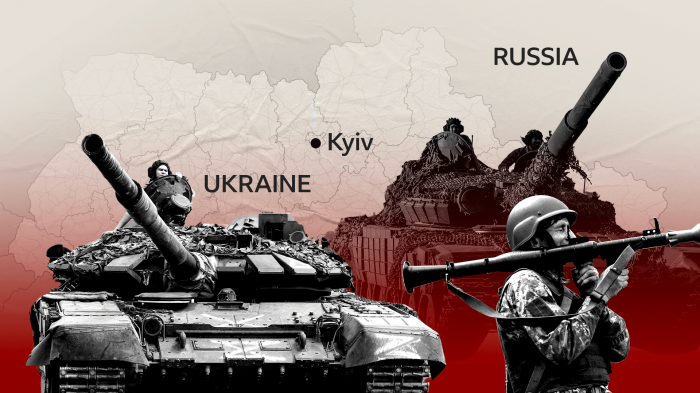
It should be noted that at the end of December, the US Treasury’s computer system was attacked. The perpetrators gained access to work computers and non-classified documents. The US blamed China for this attack. “According to Washington, they (the attackers) acted in Beijing’s interests,” Western media report. As news outlets indicate, there is no evidence of China’s involvement in hacking the Office of Foreign Assets Control (OFAC). Analysts believe the accusations lack factual proof of China’s involvement; however, the American side is using them to put pressure on China.
China rejected any connection to the hack, calling the accusations “groundless” and stating that Beijing “consistently opposes all forms” of hacking, according to media sources.
It should be noted that last year, the US began a massive offensive against Beijing, threatening sanctions and demanding reductions in the capacities of Chinese industries that hamper American companies operating in countries that trade with China.
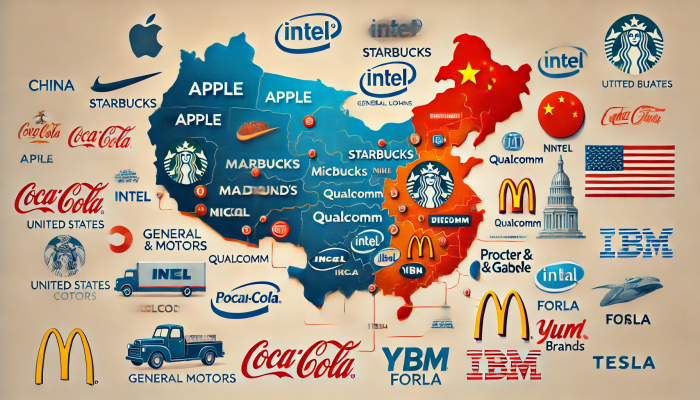
In March, Janet Yellen stated that China views the global economy as a “dumping ground” for cheap products produced with clean energy. “I am concerned about the global implications of China’s excess production capacity. It distorts global prices and production patterns, as well as harms American companies and businesses worldwide,” she said.
China has a surplus of electric vehicles, solar panels, and lithium-ion batteries, which it intends to sell at lower prices. According to the US Treasury, this undermines the competitiveness of clean energy production in the United States and other countries. In simple terms, cheaper Chinese goods will overshadow expensive American products.
The problem is that the US is trying to catch up with China in developing domestic green energy. Over the past few years, China has invested billions of dollars in clean energy, outpacing most countries in the world in the energy transition. This situation greatly worries the United States, which is now looking for ways to slow down its competitor. Early last year, Joe Biden initiated an investigation into Chinese smart cars imported into the country, citing a threat to national security, as they have internet connectivity. The Alliance for American Manufacturing appealed to the Biden administration to block imports of inexpensive Chinese cars and parts from Mexico. US automakers fear that these imports could eventually lead to the collapse of the country’s automotive sector. This concern is the main reason for the “investigation.”
In April, the US Treasury Secretary traveled to China on a four-day visit to try to resolve these issues face-to-face. Washington is demanding that Beijing change its industrial policies, which it believes threaten American jobs. Yellen conveyed these concerns to the Chinese authorities. After her visit, she told reporters that in Beijing she had “tough conversations” about national security, including US concerns that Chinese companies are supporting Russia in its war in Ukraine. However, she had to admit that the main topic of her trip was industrial policy and what the US and European countries see as China’s excessive production capacities.
In China, the state subsidizes industrial development, an area where the US and Europe lag significantly behind. Lacking the means to catch up with China, the new goal is to force the country to reduce its own production. The US itself is trying to boost domestic production of electric vehicles and batteries, while China already has an abundance of them. Washington’s aim is to compel China to cut its production.
“China is simply too big for the rest of the world to absorb the output from these massive production capacities. The actions China is taking today can influence global prices,” the US Treasury Secretary said. “And when the global market is flooded with artificially cheap Chinese goods, the viability of American and other foreign companies comes into question.”
The US has already faced a similar situation. In the early 2010s, China flooded the world with cheap steel, effectively killing the steel industry in the US and other countries. “President Biden and I will no longer tolerate such reality,” Yellen declared. At the same time, she issued a warning not to finance the war in Ukraine.
In Beijing, these remarks were listened to patiently. Afterwards, Chinese Foreign Ministry spokesperson Mao Ning stated that the US “should not discredit or attack normal interstate relations between China and Russia, and should not harm the legitimate rights and interests of China and Chinese enterprises.”
Interestingly, before her meeting in Beijing with Chinese Premier Li Qiang, the US Treasury Secretary struck a more conciliatory tone: “While we still have a lot to do, I believe that over the past year we have put our bilateral relationship on a more stable footing. This does not mean we ignore our differences or shy away from difficult conversations. It means recognizing that we can only make progress if we communicate openly and directly with each other.”
Apparently, the parties have failed to reach an agreement in the months following the visit. This is evidenced both by Yellen’s latest hardline statement and the November remarks by Chinese Foreign Ministry spokesperson Mao Ning. Mao Ning accused the EU of double standards after reports that the G7 and the EU plan to impose restrictions on China, including for the unproven “provision of military assistance to Russia.” The spokesperson noted that most countries, including those in Europe and the US, currently maintain trade with Russia, adding that “normal exchanges and cooperation between Chinese and Russian companies do not target anyone and should not be subject to interference or influence from third parties.”
The conflict is developing, and we will continue monitoring its course. Let us hope that the economic war between the West and China does not destroy the global economy.


Similar news