Cyprus turns into new military hotspot as France and Türkiye deploy forces


Tensions in the Eastern Mediterranean have intensified dramatically in recent days, with Cyprus unexpectedly emerging as one of the key geopolitical flashpoints in the broader regional crisis. As the conflict between Iran and Israel continues to escalate, several major regional and European powers have begun strengthening their military presence around the island.
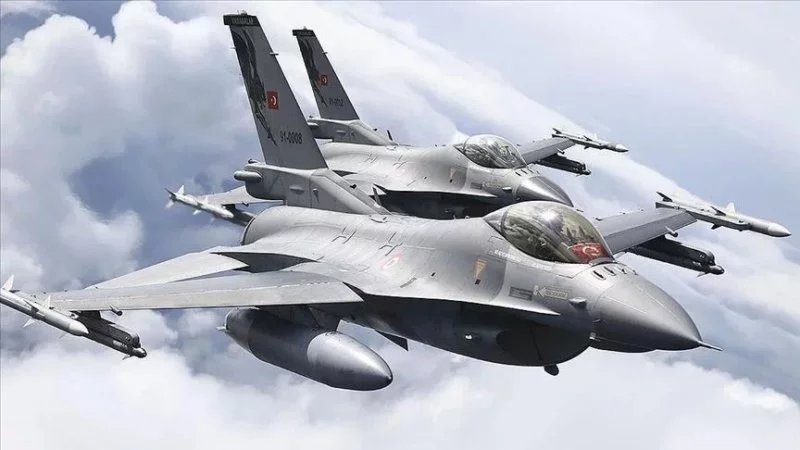
France has deployed an aircraft carrier strike group led by the Charles de Gaulle, stating that the move is intended to help protect Cyprus and stabilize the security situation in the Eastern Mediterranean. Almost simultaneously, Türkiye sent F-16 fighter jets and additional air defense systems to northern Cyprus, citing the need to protect the Turkish Cypriot community and maintain regional stability.
These developments have effectively placed Cyprus at the center of the current geopolitical confrontation.
Several factors explain the sudden rise in the island’s strategic importance.
First, Cyprus lies dangerously close to the main theater of military activity in the Middle East. The island is located only a few hundred kilometers from Syria, Lebanon, and Israel, placing it near potential flight paths of drones, missiles, and military aircraft involved in the ongoing conflict.
RECOMMENDED STORIES
For decades, Cyprus has hosted critical Western military infrastructure, including the British sovereign base areas such as RAF Akrotiri, which play a significant role in surveillance and military operations across the Middle East.
As tensions in the region escalate, the risk that Cyprus could be indirectly affected by military activity has increased significantly.
 Source: AP
A second factor is the island’s role within the European security architecture. The Republic of Cyprus is a member of the European Union, and Paris increasingly views its security as part of the broader defense of Europe.
French President Emmanuel Macron has publicly emphasized that threats against Cyprus should be seen as threats against the European Union itself. The deployment of the Charles de Gaulle carrier group therefore sends both a military and political signal that France is prepared to protect European interests in the Eastern Mediterranean.
However, France’s involvement also highlights the island’s longstanding division.
Since 1974, Cyprus has been effectively divided between two entities. The southern part of the island, the Republic of Cyprus, is internationally recognized and is a member of the European Union. The northern part is administered by Turkish Cypriot authorities and is supported politically and militarily by Türkiye.
Ankara considers itself the guarantor of the Turkish Cypriot community and maintains a substantial military presence in northern Cyprus. The deployment of Turkish F-16 fighter jets signals that Türkiye intends to reinforce its position and protect its interests on the island.
As a result, two distinct security frameworks now exist around Cyprus.'
The southern part of the island relies on political and military support from Greece, France, and the European Union, while the northern part remains under the protection of Türkiye.
Greece plays a particularly important role in this strategic balance. Athens has long viewed the security of Cyprus as directly linked to its own national security. The two countries maintain a long-standing defense concept known as the “Unified Defense Space,” which allows Greece to provide military assistance to Cyprus in the event of a major threat.
For now, Greece has not deployed large military forces directly to the island. However, Greek naval units have increased their presence in the Eastern Mediterranean, and the Greek Air Force remains on heightened alert, with fighter jets capable of rapidly deploying from bases on the island of Crete.
The current situation remains highly sensitive because Cyprus now sits at the intersection of several geopolitical conflicts: the expanding Middle Eastern war, the longstanding rivalry between Türkiye and Greece, and the broader struggle among major powers for influence in the Eastern Mediterranean.
The simultaneous presence of French naval forces, Turkish fighter jets, and heightened military readiness across the region underscores how quickly the island has become one of the most strategically sensitive points in the emerging regional crisis.


Similar news