Forgetful Ukraine: Has Azerbaijan's help been overlooked?



By News.Az
In recent days, there's been a lot of buzz on Ukrainian social media and in the news about a new agreement signed between SOCAR and Gazprom in Baku. Many Ukrainians are upset, thinking that by working with Russian energy giants, Azerbaijan is essentially backing Russia. Some are even accusing Azerbaijan of possibly reselling Russian gas to other countries, which has raised more concerns. But let’s take a step back and ask: how fair are these accusations, especially considering Ukraine itself is still transiting Russian gas through its territory to Europe?Despite being at war with Russia, Ukraine remains a key transit route for Russian gas. This transit brings in significant revenue for Kyiv, but it also benefits Russia, which uses the money to fund its military efforts. Given this, the criticism of Azerbaijan seems a bit contradictory. On one hand, Kyiv continues its economic dealings with Russia, but on the other, it’s condemning other countries for similar actions. This approach could be seen as a case of double standards, which complicates Ukraine's position on the global stage.
It’s important to remember that Azerbaijan has always aimed for a balanced foreign policy, putting its national interests first. Baku hasn’t done anything that would harm Ukraine or its interests. But when it comes to shaping its foreign policy, Azerbaijan, like any other sovereign nation, has the right to make decisions based on its strategic goals. In these times of geopolitical instability, every country has to protect its own interests, regardless of outside pressure.
The historical context also plays a big role in understanding Azerbaijan's current stance. For thirty years, Azerbaijan faced the occupation of part of its territory and didn’t receive much support from the international community, including Ukraine. Unlike other countries, Azerbaijan didn’t ask for military aid or arms supplies—it built up its own military and eventually regained control over its land. This experience taught Azerbaijan to rely on itself and make decisions based on its own interests.
It’s also worth noting that Ukraine has had its share of challenges even with its closest allies. For instance, the recent disagreements with Poland, one of Kyiv’s key partners, or the fallout with the UK when former Defense Secretary Ben Wallace reminded Ukraine of the need to be grateful for military aid, show that Ukraine doesn’t always hit the mark with its international strategies. These examples highlight that international relations require not just principles, but also flexibility.
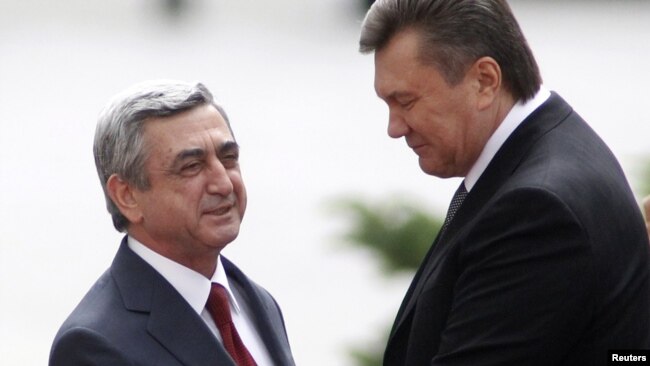 When Serzh Sargsyan, the former president of Armenia accused of being involved in the Khojaly genocide, visited Ukraine in 2011, Azerbaijan didn’t react emotionally, understanding that Ukraine has the right to conduct its foreign policy as it sees fit. But now, when Azerbaijan acts in its own interests, maintaining a neutral and balanced approach, it’s being criticized for not aligning with Ukraine.
Let’s not forget that Azerbaijan has also provided significant help in rebuilding Ukraine’s war-torn areas. A standout example is Azerbaijan’s involvement in the reconstruction of Irpin. On top of that, Azerbaijan provided humanitarian aid to Ukraine during its war with Russia, showing solidarity and support in tough times.

The situation with SOCAR is especially intriguing in the broader context of energy relations. Ukrainian criticism of Azerbaijan seems odd, considering that Ukraine itself continues to earn from the transit of Russian gas. So, why should Azerbaijan stop cooperating with Russia if Ukraine keeps those transit lines open? This kind of inconsistency in international relations could weaken trust in Ukraine’s foreign policy and make it seem less predictable.
Azerbaijan isn’t one to boast about its good deeds, but in this case, it’s worth pointing out: Baku doesn’t deserve these accusations and complaints instead of gratitude. If Ukraine decides to boycott SOCAR, the company might consider leaving the Ukrainian market, which isn’t strategically important to it anyway. But such a move could backfire on Ukraine, especially given its energy needs.
In the end, Ukraine should carefully consider its foreign policy moves and avoid situations that could be seen as double standards. Working with Azerbaijan should be based on mutual respect and cooperation, not on accusations that could damage trust and harm relations. In today’s unstable geopolitical environment, countries should focus on dialogue and partnership rather than creating new conflicts and tensions.


Similar news