Future of nuclear energy in Kazakhstan: What will the referendum decide?


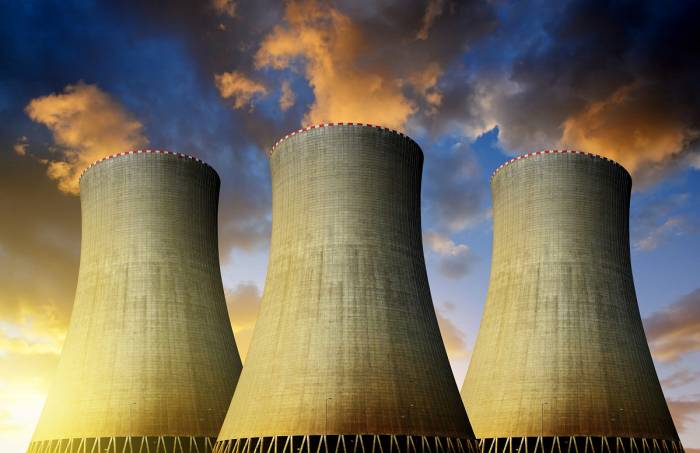
President of the Republic of Kazakhstan Kassym-Jomart Tokayev announced in late June 2024 that a referendum on the construction of nuclear power plants (NPPs) in Kazakhstan will be held this fall. Public hearings on this issue will conclude in August. Developing its own nuclear energy sector is essential to solving Kazakhstan's electricity shortage. NPPs promise uninterrupted electricity, light, and heat for Kazakhstan's residents.
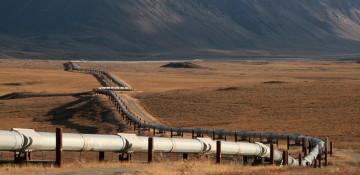
To cover its energy deficit, projected to reach 6 GW by 2030, Kazakhstan must make strategic decisions in 2024 to start NPP construction and lay new gas pipelines to increase gas supplies from Russia. This will enable the construction of new gas-fired thermal power plants.
Kazakhstan does not plan to limit itself to one NPP. According to the Minister of Energy, A. Satkaliev, the country needs at least three NPPs – in the north, south, and west. Additionally, Astana is exploring plans for small-scale nuclear power plants, currently operational only in Russia. Rosatom's order portfolio includes 3 power units in Russia and 33 abroad.
The issue of building a nuclear power plant in Kazakhstan provokes fierce debate and divides society. On one hand, the country's energy crisis and environmental commitments demand urgent action. On the other, existing technological and economic barriers raise serious concerns.
Kazakhstan is already facing an electricity shortage, and this problem will only worsen over time. Renewable energy sources cannot fully address this issue due to their limitations. Additionally, Kazakhstan has committed to achieving carbon neutrality and has joined the Paris Agreement. Considering the environmental damage from thermal power plants using hydrocarbon fuel, a nuclear power plant appears to be the only viable alternative. Kazakhstan has its own uranium reserves and the technology to process it, making the project particularly attractive.
However, implementing the NPP project in Kazakhstan comes with numerous challenges. Currently, the country lacks the necessary technologies, production capacities, and qualified specialists to build a nuclear power plant. This means Kazakhstan will have to seek help from other countries, which will entail significant costs. Whether the country's economy can handle such expenses, given the long-term nature of the project (at least 10 years for construction and another 20 years for payback), remains uncertain.
Additionally, building an NPP requires significant water resources, which could be problematic given the growing water shortages in Kazakhstan and Central Asia. This makes the project even more costly and complex.
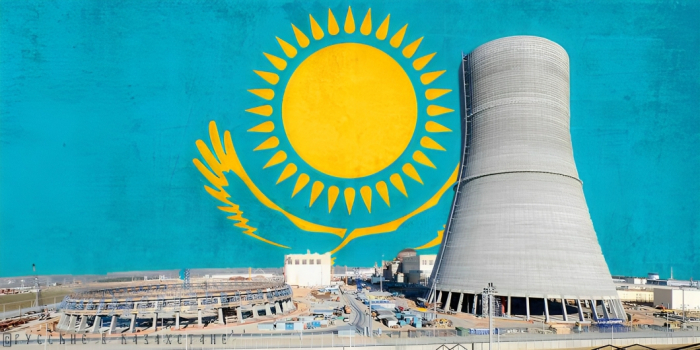
The issue of constructing an NPP in Kazakhstan cannot be considered without taking into account the experience of other countries. Nuclear energy is successfully developing in Western Europe, Russia, South Korea, Japan, and many other nations. Kazakhstan needs to carefully study all aspects and nuances of this process.
Small modular reactors (SMRs) represent a promising alternative to traditional NPPs. They are less powerful but more mobile and do not require as many conditions for construction. An example of successful SMR use is the Russian floating station "Akademik Lomonosov." However, the low capacity of SMRs does not always justify the investment, making traditional NPPs more profitable.
President Tokayev has put the issue of NPP construction to a national referendum, the optimal way to consider citizens' opinions. However, many Kazakhstani citizens associate NPPs with accidents in Chernobyl and Fukushima, as well as the negative experience of nuclear testing at the Semipalatinsk test site. Radiophobia and fear of nuclear energy among Kazakhs are understandable and justified.
The government faces the task of conducting large-scale informational and explanatory work among the population in the run-up to the referendum. The outcome will largely depend on how effectively this work is carried out and how involved nuclear industry specialists are in the explanatory process.
The construction of an NPP in Kazakhstan is a complex and multifaceted issue. On one hand, it is a vital project for addressing energy and environmental problems. On the other, significant financial, technological, and environmental challenges require a balanced approach and thorough analysis. Kazakhs should consider that over fifty nuclear power units are being built worldwide, and if it were truly unprofitable and dangerous, no one would be building them.
To cover its energy deficit, projected to reach 6 GW by 2030, Kazakhstan must make strategic decisions in 2024 to start NPP construction and lay new gas pipelines to increase gas supplies from Russia. This will enable the construction of new gas-fired thermal power plants.
Kazakhstan does not plan to limit itself to one NPP. According to the Minister of Energy, A. Satkaliev, the country needs at least three NPPs – in the north, south, and west. Additionally, Astana is exploring plans for small-scale nuclear power plants, currently operational only in Russia. Rosatom's order portfolio includes 3 power units in Russia and 33 abroad.
The issue of building a nuclear power plant in Kazakhstan provokes fierce debate and divides society. On one hand, the country's energy crisis and environmental commitments demand urgent action. On the other, existing technological and economic barriers raise serious concerns.
Kazakhstan is already facing an electricity shortage, and this problem will only worsen over time. Renewable energy sources cannot fully address this issue due to their limitations. Additionally, Kazakhstan has committed to achieving carbon neutrality and has joined the Paris Agreement. Considering the environmental damage from thermal power plants using hydrocarbon fuel, a nuclear power plant appears to be the only viable alternative. Kazakhstan has its own uranium reserves and the technology to process it, making the project particularly attractive.
However, implementing the NPP project in Kazakhstan comes with numerous challenges. Currently, the country lacks the necessary technologies, production capacities, and qualified specialists to build a nuclear power plant. This means Kazakhstan will have to seek help from other countries, which will entail significant costs. Whether the country's economy can handle such expenses, given the long-term nature of the project (at least 10 years for construction and another 20 years for payback), remains uncertain.
Additionally, building an NPP requires significant water resources, which could be problematic given the growing water shortages in Kazakhstan and Central Asia. This makes the project even more costly and complex.
The issue of constructing an NPP in Kazakhstan cannot be considered without taking into account the experience of other countries. Nuclear energy is successfully developing in Western Europe, Russia, South Korea, Japan, and many other nations. Kazakhstan needs to carefully study all aspects and nuances of this process.
Small modular reactors (SMRs) represent a promising alternative to traditional NPPs. They are less powerful but more mobile and do not require as many conditions for construction. An example of successful SMR use is the Russian floating station "Akademik Lomonosov." However, the low capacity of SMRs does not always justify the investment, making traditional NPPs more profitable.
President Tokayev has put the issue of NPP construction to a national referendum, the optimal way to consider citizens' opinions. However, many Kazakhstani citizens associate NPPs with accidents in Chernobyl and Fukushima, as well as the negative experience of nuclear testing at the Semipalatinsk test site. Radiophobia and fear of nuclear energy among Kazakhs are understandable and justified.
The government faces the task of conducting large-scale informational and explanatory work among the population in the run-up to the referendum. The outcome will largely depend on how effectively this work is carried out and how involved nuclear industry specialists are in the explanatory process.
The construction of an NPP in Kazakhstan is a complex and multifaceted issue. On one hand, it is a vital project for addressing energy and environmental problems. On the other, significant financial, technological, and environmental challenges require a balanced approach and thorough analysis. Kazakhs should consider that over fifty nuclear power units are being built worldwide, and if it were truly unprofitable and dangerous, no one would be building them.
(If you possess specialized knowledge and wish to contribute, please reach out to us at opinions@news.az).


Similar news