How China plans to navigate Trump’s unpredictable policies – INTERVIEW


Photo: iStock
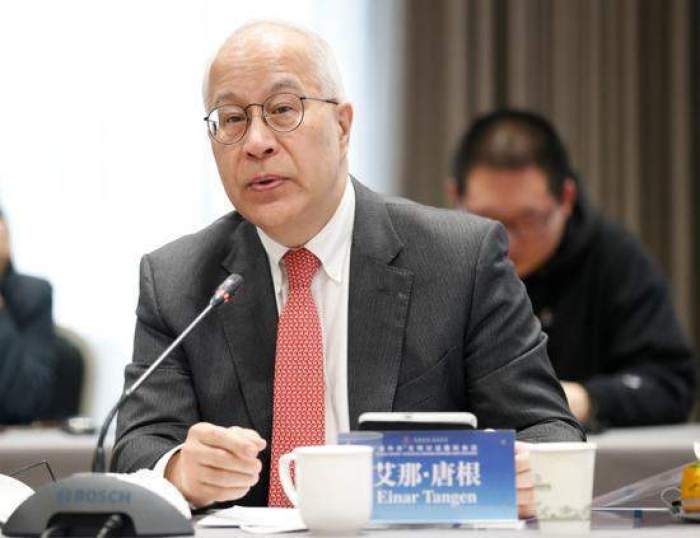
News.Az presents an exclusive interview with Einar Tangen, Founding Partner at the Centre for China & the World, Senior Fellow at the Taihe Institute, and Founder of Asia Narratives. As a renowned expert on China’s economic and geopolitical strategies, Mr. Tangen shares his insights on the potential trajectory of U.S.-China relations under Donald Trump, the implications of global trade policies, and the challenges facing international diplomacy in an increasingly interconnected world.
Source: Linkedin
- What are the expectations in China regarding the policies of the new U.S. administration under Donald Trump?
- It is difficult to predict what Trump will do, and equally challenging to anticipate how China will respond.
On the eve of Biden's Lebanon truce, Trump unveiled his plan to impose tariffs on Washington's three largest trade partners. Whether this move was intended to overshadow Biden's truce plan or set the stage for his economic negotiation strategy, it succeeded in diverting attention from Biden’s initiative.
There are significant differences between China in 2016 and today. Whether Trump recognizes and understands these changes will determine the course of the next four years.
For China, strategic patience is key. Trump operates with a four-year perspective, while China adopts a view spanning four millennia.
- In your opinion, how will Donald Trump build relations with China, considering his previous rhetoric and economic actions?
- Trump views China as a primary competitor. He seeks something akin to the Plaza Accord, which would effectively undermine China’s economic trajectory, or a series of agreements designed to distance Russia from China. There seems to be no genuine desire to cooperate with China.
The core issue is Trump’s tendency to view international relations as zero-sum competitions.
- How is the potential development of relations between Russia and the U.S. under the Trump administration perceived in China, and how might this affect Sino-American relations?
-China considers Russia a sovereign nation, and its relations with other countries are regarded as internal matters. Unlike the U.S., China does not weaponize trade relations; instead, it views them purely as opportunities for mutual benefit.
- Given the current situation, should we expect an escalation of the conflict between China and Taiwan, especially considering Trump’s stance on this issue?
- When asked what Washington would do if China asserted control over Taiwan, Trump responded that he would raise tariffs. Ironically, this approach could diffuse tensions, as China maintains a long-term perspective on the issue rather than focusing on immediate outcomes.
- What key challenges and opportunities does China foresee in the potential foreign policy strategy of the Trump administration?
Trump is likely to inadvertently trigger both domestic and international economic crises. For Beijing, the opportunity lies in filling the political and economic vacuum that Washington may create. However, Beijing has neither the appetite nor the capacity to take on all of the world's foreign policy and economic challenges.
The key for Beijing is to identify and address emerging problems strategically.
The primary challenge is adapting to Trump’s ever-changing positions.
Xi Jinping’s response has been to remind nations and their people that humanity’s fundamental problems remain unchanged, regardless of who occupies the White House.


Similar news