In the shadow of accusations: Pakistan's call for peace amid India’s blame game


.png)
Editor's note: Faig Mahmudov is an Azerbaijan-based journalist. The article expresses the author's personal opinion and may not coincide with the view of News.Az.
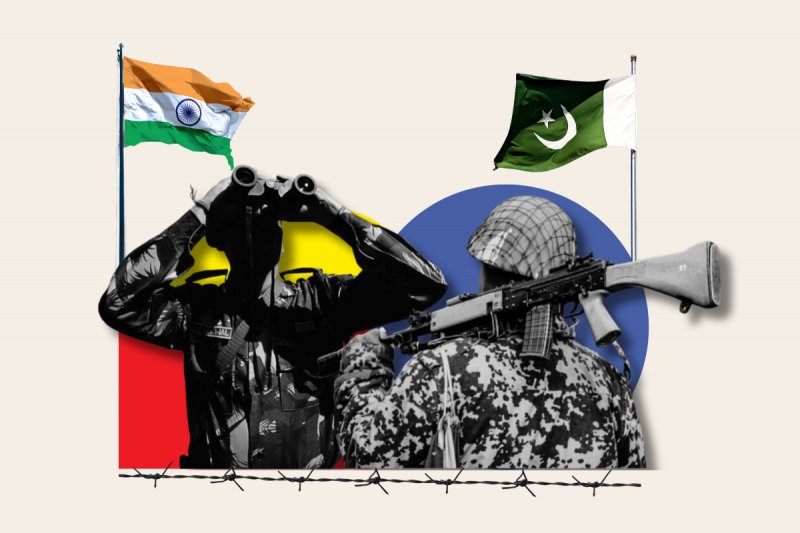
The ongoing tension between Pakistan and India has once again captured the world's attention. Recent events have seen India quickly blaming Pakistan for incidents without the completion of thorough investigations, a move that has sparked criticism and raised concerns about the fragile state of relations between the two nuclear-armed neighbors. In contrast, Pakistan has opted for a more cautious and measured approach, emphasizing peace and stability in the region. This contrasting stance highlights the complexities of diplomatic relations and the delicate balance required to navigate the longstanding animosity between the two countries.
India, in recent weeks, has been quick to point fingers at Pakistan, accusing it of involvement in attacks or destabilizing actions in its territory. This blame has often been issued without waiting for a comprehensive investigation or solid evidence. The most recent instance came after an attack in India’s Jammu and Kashmir region, where Indian officials were quick to accuse Pakistan-based militants, despite the absence of conclusive proof.
This knee-jerk reaction of blaming Pakistan without a transparent investigation raises concerns about the potential for escalating tensions. It also raises questions about the broader strategy behind such actions. Critics argue that these allegations are not only premature but also counterproductive to efforts aimed at resolving disputes between the two countries. They contend that such accusations, without factual basis, undermine the prospects for dialogue and reconciliation.
Source: NewsBytes
In the international community, India’s tendency to point fingers at Pakistan without presenting concrete evidence has been met with skepticism. It suggests a lack of trust in diplomatic processes and further fuels the narrative of mutual suspicion that has existed between the two countries for decades. By not waiting for an independent investigation, India risks exacerbating the tension and making it harder to find common ground for peace.
In stark contrast to India’s accusatory tone, Pakistan has consistently called for peace, dialogue, and regional stability. Despite the blame placed upon it, Pakistan has refrained from responding with aggression or inflammatory rhetoric. Instead, the government has urged both sides to focus on de-escalation and the importance of diplomacy in addressing their differences.
Pakistan's stance is rooted in its desire for a stable and peaceful South Asia. The country has consistently advocated for confidence-building measures, including the resumption of talks on contentious issues such as the Kashmir dispute. By opting for a more measured approach, Pakistan seeks to avoid further antagonizing India and to create a pathway for meaningful dialogue.
Pakistan’s diplomatic response is also a reflection of its awareness of the high stakes involved. With both nations possessing nuclear weapons, the consequences of any misstep could be catastrophic, not only for the two countries but for the entire region. Therefore, Pakistan’s calls for restraint and diplomacy are grounded in the desire to avert the dangers of a full-blown conflict that could have far-reaching consequences.
Source: AI
The contrasting approaches of India and Pakistan in the face of recent tensions underscore the difficulty of achieving lasting peace in the region. While India’s accusations without investigation may inflame passions and undermine trust, Pakistan’s cautious diplomacy offers a glimmer of hope for de-escalation. However, the path to peace is fraught with challenges. Both nations have deep-rooted grievances, especially regarding the Kashmir issue, and have shown little willingness to make significant compromises in the past.
For peace to prevail, both sides must move beyond the cycle of blame and engage in genuine dialogue. This requires not only diplomatic skill but also a shift in public sentiment, which has long been shaped by years of hostility. The international community, too, has a crucial role to play in facilitating constructive dialogue and holding both countries accountable for their actions.
The recent tensions between Pakistan and India reflect the complexities of their long-standing rivalry. India’s tendency to blame Pakistan without a thorough investigation only serves to deepen mistrust and hinder peace efforts. On the other hand, Pakistan’s cautious advocacy for peace and stability offers a glimmer of hope for the future. To break the cycle of blame and conflict, both countries must embrace dialogue, transparency, and a commitment to regional stability. Only then can they begin to chart a path toward a peaceful and prosperous South Asia.
(If you possess specialized knowledge and wish to contribute, please reach out to us at opinions@news.az).


Similar news