Battle for influence over Georgia’s church intensifies amid political uncertainty


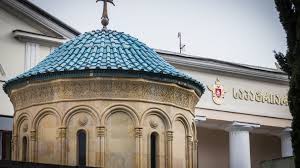
The Georgian Orthodox Church, one of the country's most trusted and influential institutions, is increasingly becoming the focus of political and geopolitical attention as various actors seek to shape its future direction.
Analysts say a growing struggle for influence within and around the Church reflects broader competition over Georgia's political orientation, national identity, and international partnerships, News.az reports.
RECOMMENDED STORIES
The debate has intensified amid ongoing discussions about the future leadership of the Church and concerns over how changes within the institution could affect the country's domestic and foreign policy landscape. Observers note that the Church occupies a unique position in Georgian society, enjoying significant public trust and playing an important role in cultural, social, and political life.
For decades, the Georgian Orthodox Church has been regarded as a symbol of national unity and continuity. However, as Georgia navigates a complex geopolitical environment between Europe and Russia, the institution has increasingly become a focal point for competing visions of the country's future.
Experts argue that influence over the Church carries strategic importance because of its ability to shape public opinion on key issues ranging from social values and national identity to relations with foreign partners. As a result, political groups, civic organizations, and external actors are closely monitoring developments within the religious institution.
The issue has gained additional significance as discussions continue regarding succession within the Church hierarchy. Any future leadership transition is expected to attract intense public interest and could influence the institution's relationship with both the government and international partners.
Supporters of closer integration with European institutions generally emphasize the importance of maintaining the Church's independence while encouraging constructive engagement with modern democratic values. Others advocate preserving traditional positions and strengthening ties with Orthodox communities across the region.
Analysts caution that attempts to politicize the Church could deepen divisions within society and undermine the institution's longstanding role as a unifying force. Many observers argue that preserving the Church's autonomy will be essential to maintaining public confidence and preventing religious issues from becoming a source of political confrontation.
The developments come at a time when Georgia continues to balance domestic reforms, European aspirations, and regional security challenges. Against this backdrop, the future direction of the Georgian Orthodox Church is likely to remain an important issue in both national politics and broader geopolitical discussions.
While no immediate changes are expected, experts say the competition for influence surrounding the Church is likely to intensify in the coming years, making it one of the most closely watched aspects of Georgia's evolving political landscape.
By Faig Mahmudov


Similar news