How will the Eurofighter Tranche 4 improve Germany’s combat readiness?


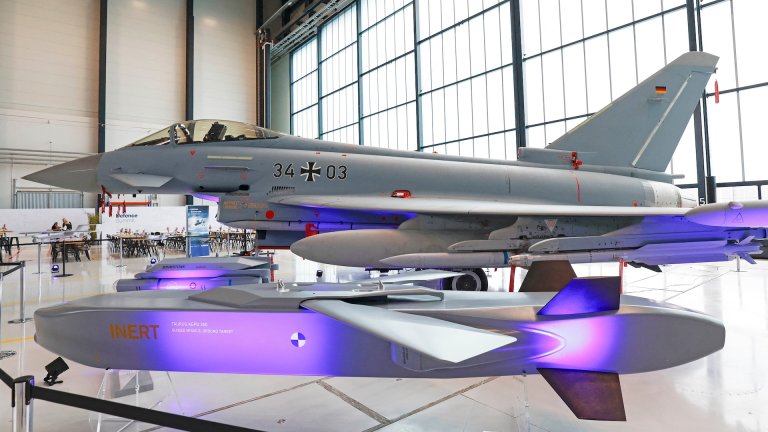
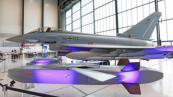
Germany has officially received its first Eurofighter Tranche 4 combat aircraft from Airbus, marking a significant milestone in the modernization of the country's air force and the broader development of European military aviation.
The delivery represents more than the arrival of a new fighter jet. It reflects Germany's efforts to strengthen national defense capabilities, enhance NATO readiness, support Europe's aerospace industry, and prepare for the increasingly complex security challenges facing the continent, News.az reports.
The Eurofighter Typhoon has long been one of the cornerstones of European air power. The arrival of the latest Tranche 4 variant introduces new technologies, improved sensors, enhanced combat effectiveness, and greater growth potential for future upgrades. For Germany, which operates one of the largest Eurofighter fleets in Europe, the new aircraft is expected to play a crucial role in maintaining air superiority and supporting a wide range of military missions for decades to come.
As geopolitical tensions continue to shape defense planning across Europe, the delivery has attracted considerable attention from military analysts, policymakers, and defense industry experts. The event raises important questions about Germany's defense strategy, the future of European military aviation, and the evolving role of advanced fighter aircraft in modern warfare.
What Is the Eurofighter Typhoon?
The Eurofighter Typhoon is a twin engine multirole combat aircraft developed through a multinational European partnership involving Germany, the United Kingdom, Italy, and Spain. It was originally conceived during the Cold War as a highly capable air superiority fighter designed to defend European airspace against advanced threats.
Over time, the aircraft evolved into a true multirole platform capable of performing a wide range of missions. In addition to air combat, the Eurofighter can conduct ground attack operations, reconnaissance missions, maritime patrol tasks, electronic warfare activities, and precision strike missions.
The aircraft is operated by several air forces around the world and has participated in numerous military operations since entering service. Its combination of speed, maneuverability, advanced avionics, and weapons integration has established it as one of the most capable combat aircraft currently in service.
The Eurofighter program also represents one of Europe's most ambitious defense industrial projects, involving thousands of engineers, technicians, and manufacturing specialists across multiple countries.
What Does “Tranche 4” Mean?
The Eurofighter program has been developed in phases known as tranches. Each tranche introduces technological improvements, upgraded systems, and enhanced operational capabilities.
Tranche 4 represents the newest major production standard for the aircraft. While maintaining the core design of the Eurofighter, the latest version incorporates significant advances in electronics, sensors, computing power, and mission systems.
Unlike earlier versions, Tranche 4 was specifically designed to address emerging threats and operational requirements expected to dominate future battlefields. The aircraft serves as a bridge between current generation combat aviation and future air combat systems that European nations are developing.
The introduction of Tranche 4 ensures that the Eurofighter remains relevant and competitive in an era characterized by increasingly sophisticated air defense systems, electronic warfare capabilities, and network centric military operations.
Why Is Germany Receiving New Eurofighters?
Germany has embarked on a broad modernization effort aimed at strengthening the capabilities of the Luftwaffe, the country's air force.
Several factors explain the need for new aircraft.
First, parts of Germany's existing combat fleet are aging. Although older Eurofighters remain effective, newer aircraft provide greater reliability, improved operational performance, and enhanced upgrade potential.
Second, evolving security conditions in Europe have prompted many governments to reassess military readiness. The changing geopolitical environment has reinforced the importance of maintaining strong air defense capabilities.
Third, technological advances require continual modernization. Military aviation evolves rapidly, and air forces must regularly update equipment to remain effective against modern threats.
Finally, Germany seeks to maintain its role as one of NATO's leading military contributors. Modern combat aircraft are essential for fulfilling alliance commitments and supporting collective defense missions.
The acquisition of Tranche 4 aircraft therefore aligns with broader defense modernization objectives designed to ensure operational effectiveness well into the future.
What New Capabilities Does the Tranche 4 Introduce?
The most significant improvements involve the aircraft's electronic architecture and mission systems.
Tranche 4 aircraft benefit from enhanced computing capacity, allowing faster processing of battlefield information and more effective integration of advanced sensors and weapons.
The aircraft also provides improved connectivity, enabling better information sharing between aircraft, command centers, and allied forces. Modern military operations increasingly depend on real time data exchange, making network capabilities a critical factor in combat effectiveness.
Enhanced mission computers improve situational awareness by processing large volumes of information from multiple sources simultaneously. Pilots can receive a clearer understanding of battlefield conditions and react more rapidly to changing threats.
The platform is also designed to support future upgrades more efficiently, ensuring that new technologies can be incorporated throughout the aircraft's service life.
What Is the ECRS Mk1 Radar and Why Is It Important?
One of the most anticipated features associated with the latest Eurofighter variants is the integration of advanced active electronically scanned array radar technology.
The ECRS Mk1 radar represents a major leap forward compared with earlier mechanically scanned systems. Active electronically scanned array radars use numerous small transmitters to electronically steer radar beams rather than relying on mechanical movement.
This approach offers several advantages.
The radar can track multiple targets simultaneously while conducting search operations. It provides greater detection ranges and improved resistance to electronic interference. It can also switch rapidly between different tasks without sacrificing performance.
For pilots, these improvements translate into earlier threat detection, better target tracking, and increased operational flexibility.
Advanced radar capabilities are particularly important as potential adversaries continue to develop stealth technologies, sophisticated missile systems, and advanced electronic warfare equipment.
How Does the Aircraft Improve Air Combat Performance?
Air superiority remains one of the Eurofighter's primary missions.
The aircraft combines high speed performance, excellent maneuverability, powerful sensors, and advanced weapons systems to dominate aerial engagements.
The latest upgrades further enhance these capabilities by improving information processing and pilot awareness. Modern air combat increasingly depends on who can detect, identify, and engage targets first.
Advanced sensors provide greater visibility across the battlespace, while improved data fusion combines information from multiple sources into a coherent operational picture.
This allows pilots to make faster decisions and respond more effectively during complex engagements.
Although maneuverability remains important, contemporary air combat often involves engagements at long ranges where sensors, networking capabilities, and missile technology play decisive roles.
Tranche 4 strengthens the Eurofighter's performance in precisely these areas.
Can the Aircraft Conduct Ground Attack Missions?
Yes. The Eurofighter has evolved from a primarily air superiority platform into a highly capable multirole aircraft.
Modern versions can carry a wide range of precision guided munitions designed to engage ground targets accurately while minimizing collateral damage.
Potential missions include:
• Precision strike operations
• Close air support
• Battlefield interdiction
• Suppression of enemy air defenses
• Maritime strike missions
• Strategic targeting operations
The aircraft's advanced sensors enable accurate target identification and engagement under various operational conditions.
This versatility allows military planners to use a single aircraft type across multiple mission categories, improving efficiency and reducing logistical complexity.
How Does This Strengthen NATO?
Germany is one of NATO's most important members and maintains substantial responsibilities within the alliance's collective defense framework.
Modern combat aircraft contribute directly to NATO's deterrence posture by demonstrating readiness and capability.
Eurofighters regularly participate in alliance air policing missions, training exercises, rapid reaction deployments, and multinational operations.
The arrival of Tranche 4 aircraft enhances Germany's ability to support these missions while contributing advanced capabilities to joint operations.
Interoperability also plays an important role. NATO forces increasingly operate as integrated multinational teams. Modern communication systems and shared operational standards help ensure effective cooperation among allied air forces.
The new aircraft strengthens these capabilities and supports broader alliance objectives.
What Does the Delivery Mean for European Defense Industry?
The Eurofighter program represents a major success story for Europe's aerospace and defense sector.
Thousands of jobs across multiple countries depend directly or indirectly on the program. Manufacturing, engineering, software development, systems integration, maintenance, and research activities all contribute to economic activity throughout Europe.
The delivery of new aircraft demonstrates continued confidence in European defense manufacturing capabilities.
At a time when many countries seek to strengthen domestic and regional industrial bases, programs such as the Eurofighter highlight the benefits of multinational cooperation.
The project also supports technological innovation in fields including avionics, materials science, propulsion systems, radar technology, artificial intelligence, and advanced manufacturing techniques.
These technological advances often generate benefits extending beyond military applications.
How Does the Eurofighter Compare With Other Modern Fighter Jets?
Comparisons between combat aircraft are often complex because different designs emphasize different operational priorities.
The Eurofighter is widely regarded as one of the most capable fourth generation plus fighters in service today.
Its strengths include:
• Exceptional agility
• High speed performance
• Powerful sensors
• Advanced weapons integration
• Strong air combat capabilities
• Continuous modernization potential
Competing aircraft such as the F-35, Rafale, F-15EX, Gripen E, and various fifth generation fighters each offer distinct advantages.
The Eurofighter's developers have focused on maintaining competitiveness through ongoing upgrades rather than pursuing an entirely new aircraft design.
Tranche 4 represents a key element of this strategy by incorporating technologies designed to address evolving operational requirements.
What Challenges Do Modern Fighter Aircraft Face?
Modern combat aircraft operate in increasingly contested environments.
Potential threats include:
• Long range surface to air missiles
• Electronic warfare systems
• Cyber attacks
• Advanced drones
• Hypersonic weapons
• Integrated air defense networks
To remain effective, fighter aircraft must continuously evolve.
This requires regular software updates, sensor improvements, weapons integration programs, and electronic warfare enhancements.
The modular architecture introduced in newer Eurofighter variants helps facilitate these upgrades and ensures continued adaptability.
Rather than relying solely on current capabilities, military planners increasingly emphasize the ability to evolve throughout an aircraft's operational lifespan.
What Role Will the Eurofighter Play in the Future?
The Eurofighter is expected to remain a central component of European air power for decades.
While future programs such as next generation combat aircraft are under development, current fighter fleets will continue performing essential missions throughout the transition period.
The aircraft is expected to support:
• National air defense
• NATO operations
• International security missions
• Expeditionary deployments
• Crisis response operations
• Strategic deterrence activities
Future upgrades may incorporate increasingly advanced sensors, artificial intelligence tools, enhanced networking capabilities, improved electronic warfare systems, and new weapon types.
The flexible architecture of Tranche 4 helps prepare the aircraft for this evolving operational environment.
Conclusion
Germany's receipt of its first Eurofighter Tranche 4 aircraft marks a significant milestone not only for the Luftwaffe but also for European defense as a whole. The delivery reflects a broader effort to modernize military capabilities, strengthen NATO readiness, and ensure that European air forces remain prepared for increasingly complex security challenges.
The latest Eurofighter variant introduces important technological improvements that enhance situational awareness, operational flexibility, connectivity, and future upgrade potential. These capabilities are essential in an era where information superiority, advanced sensors, and integrated networks increasingly determine success on the battlefield.
Beyond its military significance, the delivery also highlights the strength of Europe's aerospace industry and the value of multinational defense cooperation. As security challenges continue to evolve, Germany's new Eurofighter Tranche 4 aircraft will play a crucial role in protecting national interests, supporting alliance commitments, and maintaining Europe's ability to respond effectively to future threats.
By Faig Mahmudov


Similar news