Postwar Ukraine: Why many refugees may not return


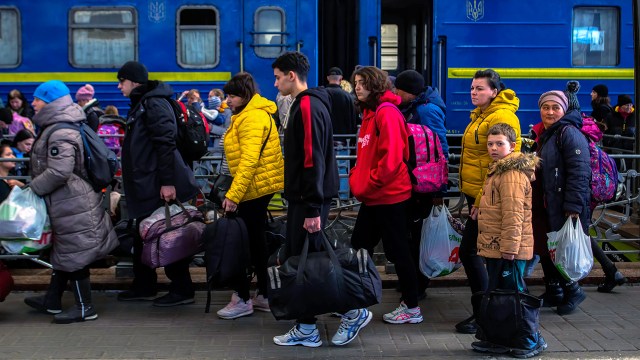
Crowds of refugees from Mariupol, Ukraine, make their way out of the Lviv train station on March 24. (Ty O’Neil/SOPA Images/LightRocket via Getty Images)
The Russian invasion of Ukraine in February 2022 and the expansion of the war zone caused a massive outflow of the population from the country. According to various research centers, by 2025, about 6 million Ukrainian citizens are outside their country due to the ongoing fighting in the east of the country out of a total of 9 million internally displaced persons.
The most shocking part of this information is that more than half of all Ukrainian children were forced to leave their homes and native lands. A quarter of this number left the country.
The Ukrainian migration crisis has become the largest and most serious since World War II (1939-1945). In addition, it is the second large-scale case in Europe after a similar crisis caused by the Yugoslav conflict.
The vast majority of Ukrainians who fled the country moved to Poland, Slovakia, Hungary, Romania and Moldova. Three million people went even further, settling in Western European countries. Another 900,000 Ukrainian citizens were resettled by Russian authorities to Russia.
4.5 million people were so courageous that even in the conditions of ongoing military actions, destruction of cities, infrastructure, and death of people, they returned back to Ukraine.
It is expected that after the conflict in Ukraine ends, a mass return of Ukrainians to their homeland could occur. This, in turn, could negatively impact the economies of European countries due to the outflow of labor and the exacerbation of demographic problems. On one hand, it is clear that people should return to their homeland. On the other hand, how will the return — if not of all, then a significant number of Ukrainian refugees — affect the economies of European countries?
It is clear that Europe will lose many skilled workers and employees, who often work for considerably lower wages than their European counterparts, many of whom are less skilled than workers from the former USSR, including Ukraine.
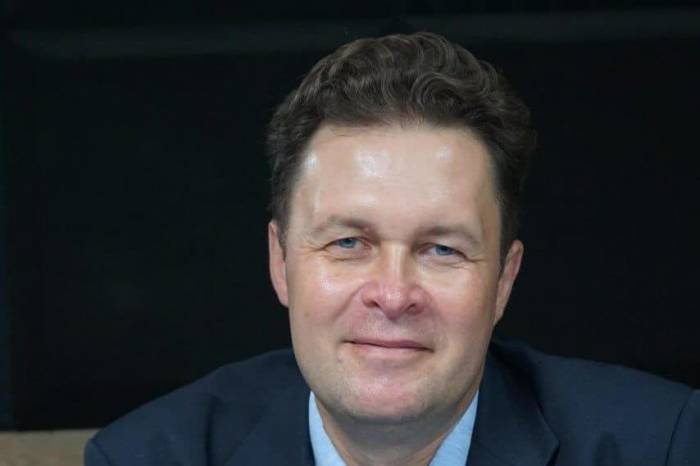
To verify the accuracy of this information, News.Az contacted the well-known Ukrainian political scientist, Director of the Institute for World Politics, Yevhen Magda , who stated that this assumption is based on a misunderstanding of the situation.
Pozirk
According to the political scientist, the Ukrainian authorities are not currently making any efforts to bring their citizens back home. "I don’t see any reasons why, even after the end of the hostilities, these people would return."
The political scientist believes that, most likely, in the event of a ceasefire, the conditions for Ukrainian citizens in the European Union will not undergo significant changes.
"In the United States, the number of Ukrainians is insignificant compared to Europe. In European countries, the count is in the millions. The conclusion that Ukrainian citizens must return home after the hostilities end, in my opinion, is a rather bold assumption," the expert adds.
The vast majority of these people will not return because they simply have nowhere to go.
"Not everyone sees compelling reasons to return. Most likely, the opposite will happen. Many men, after the war ends and borders are opened, will go to join their families, which will lead to a change in the demographic situation in the country. So, if any country is facing a demographic crisis, it is most likely Ukraine itself. This is due to the losses already suffered during the war and the changes that will occur after its conclusion."
As for the European Union, according to Magda, there is no need for concern.
"The EU will always be able to offer residency or other tools to retain qualified specialists. They are unlikely to face issues in attracting unskilled labor."
Magda concluded that such assumptions about a large-scale return of Ukrainians to their homeland appear unfounded.
The most shocking part of this information is that more than half of all Ukrainian children were forced to leave their homes and native lands. A quarter of this number left the country.
The Ukrainian migration crisis has become the largest and most serious since World War II (1939-1945). In addition, it is the second large-scale case in Europe after a similar crisis caused by the Yugoslav conflict.
The vast majority of Ukrainians who fled the country moved to Poland, Slovakia, Hungary, Romania and Moldova. Three million people went even further, settling in Western European countries. Another 900,000 Ukrainian citizens were resettled by Russian authorities to Russia.
4.5 million people were so courageous that even in the conditions of ongoing military actions, destruction of cities, infrastructure, and death of people, they returned back to Ukraine.
It is expected that after the conflict in Ukraine ends, a mass return of Ukrainians to their homeland could occur. This, in turn, could negatively impact the economies of European countries due to the outflow of labor and the exacerbation of demographic problems. On one hand, it is clear that people should return to their homeland. On the other hand, how will the return — if not of all, then a significant number of Ukrainian refugees — affect the economies of European countries?
It is clear that Europe will lose many skilled workers and employees, who often work for considerably lower wages than their European counterparts, many of whom are less skilled than workers from the former USSR, including Ukraine.
To verify the accuracy of this information, News.Az contacted the well-known Ukrainian political scientist, Director of the Institute for World Politics, Yevhen Magda , who stated that this assumption is based on a misunderstanding of the situation.
Pozirk
According to the political scientist, the Ukrainian authorities are not currently making any efforts to bring their citizens back home. "I don’t see any reasons why, even after the end of the hostilities, these people would return."
The political scientist believes that, most likely, in the event of a ceasefire, the conditions for Ukrainian citizens in the European Union will not undergo significant changes.
"In the United States, the number of Ukrainians is insignificant compared to Europe. In European countries, the count is in the millions. The conclusion that Ukrainian citizens must return home after the hostilities end, in my opinion, is a rather bold assumption," the expert adds.
The vast majority of these people will not return because they simply have nowhere to go.
"Not everyone sees compelling reasons to return. Most likely, the opposite will happen. Many men, after the war ends and borders are opened, will go to join their families, which will lead to a change in the demographic situation in the country. So, if any country is facing a demographic crisis, it is most likely Ukraine itself. This is due to the losses already suffered during the war and the changes that will occur after its conclusion."
As for the European Union, according to Magda, there is no need for concern.
"The EU will always be able to offer residency or other tools to retain qualified specialists. They are unlikely to face issues in attracting unskilled labor."
Magda concluded that such assumptions about a large-scale return of Ukrainians to their homeland appear unfounded.


Similar news