United States and India have played a key chess move in geopolitics


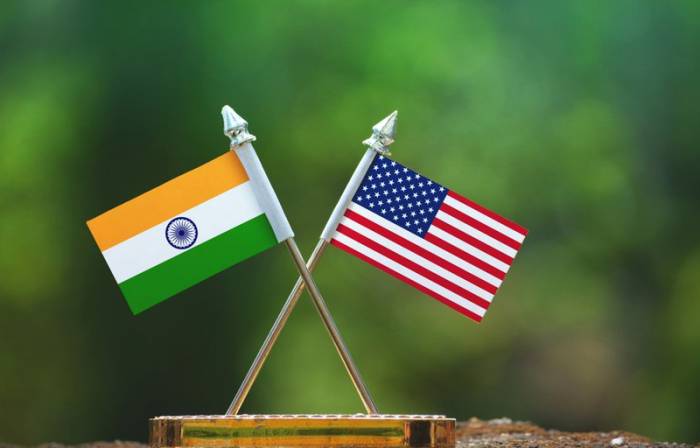
On August 22, 2024, the United States and India made a key move on the global stage, solidifying their defense partnership by signing the Security of Supply Arrangement (SOSA). At first glance, this might seem like another routine agreement, but beneath the surface, SOSA is paving the way for a new era in strategic relations between the world's two largest democracies, especially in light of rising tensions with China.
While headlines often focus on China's growing military strength or Russia's ambitions, it’s the quiet but steady defense alliance between India and the U.S. that could play a game-changing role in the Indo-Pacific region. So, what’s behind this agreement, and how could it reshape global power dynamics?A Defense Safety Net SOSA isn’t just about helping each other during supply chain disruptions; it's about mutual trust and recognition that the U.S. and India are ready to back each other up in times of crisis. As the world faces instability from pandemics, political unrest, and sanctions, keeping defense supplies flowing is more critical than ever.
By granting India access to its Defense Priorities and Allocations System (DPAS), the U.S. is offering more than just defense goods and technology. It’s signaling that India has joined the inner circle of key strategic partners, alongside nations like the UK and Israel. India, in turn, is developing a Code of Conduct for its defense industry to ensure quick responses to U.S. needs. This agreement is laying the foundation for a stronger defense alliance between the two nations.
Why are the U.S. and India strengthening ties now? The answer lies in the geopolitics of the Indo-Pacific. India is a major player in this region, where global power struggles are intensifying. With China making bold moves to assert dominance, India, with its historical tensions with Beijing, has become a natural ally for the U.S. in efforts to counterbalance Chinese influence.
India is not just a big customer for U.S. defense equipment, but also a potential military stronghold for operations in the region. SOSA, along with future agreements like the Reciprocal Defense Procurement (RDP) deal, is a step toward making the two countries' armed forces more interoperable and better equipped to work together.
Besides SOSA, India and the U.S. have also agreed to station Indian liaison officers at key U.S. military commands. This isn’t just symbolic; it’s a signal of closer operational cooperation, intelligence sharing, and joint missions. The first Indian officer is heading to the U.S. Special Operations Command in Florida, and others are likely to follow to Indo-Pacific-focused commands, where joint military drills aimed at countering China are already underway.
SOSA is just the beginning. The upcoming RDP agreement, which will be legally binding, will deepen defense ties even further, ensuring priority access to weapons and technology. This will have significant effects on both countries' defense industries.
The big question is how sustainable this partnership will be. India has long followed a policy of “strategic autonomy,” and its close ties with the U.S. may raise concerns both domestically and among key partners like Russia. But with increasing pressure from China, India is likely to see the U.S. as a reliable ally in securing its national interests.
SOSA isn’t just about defense supplies; it’s part of a new security architecture taking shape in the Indo-Pacific. As U.S.-India cooperation deepens, their partnership is becoming a cornerstone in efforts to contain China and strengthen maritime security.


Similar news