U.S. sanctions threaten the construction of a nuclear power plant in Bangladesh


By Asif Aydinli
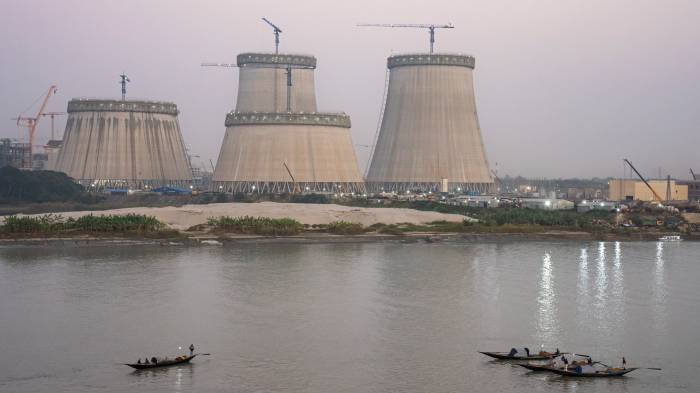
In today’s world of global politics and finance, international projects are increasingly becoming caught in the crossfire of sanctions and economic instability. One standout example is the Rooppur Nuclear Power Plant in Bangladesh, a major infrastructure project now facing threats—not due to technical problems or a lack of resources, but because of financial hurdles brought on by sanctions against Russia. This raises a key question: can the energy future of an entire country really be derailed by international conflicts happening thousands of miles away?
The Rooppur project, financed by a $11.38 billion Russian loan, originally seemed like a win-win for both sides. Russia provided the technology and funds, while Bangladesh offered a promising market for nuclear energy. But after the U.S. imposed sanctions on Russia over the Ukraine conflict, everything changed.
Now, Bangladesh finds itself in a tricky spot. On one hand, the country’s outstanding debt on the loan has already surpassed $600 million, making repayments under the current terms challenging. On the other hand, paying in U.S. dollars—the global standard for most international transactions—has become harder due to sanctions. Russia has suggested repayment in Chinese yuan as an alternative, which highlights how much the global financial system has shifted under the weight of sanctions. Yet even this solution isn't without its problems—Bangladesh is looking for alternative ways to pay without violating sanctions.
This situation reveals some important trends. First, sanctions are creating ripple effects that complicate Russia's financial ties even with countries not directly involved in the sanctions. Second, Bangladesh now faces a tough choice: either renegotiate more flexible terms with Russia or try to diversify its energy sources, which is unlikely to happen anytime soon. Nuclear power is still a critical part of the country's energy plans.
Russia, for its part, is also in a bind. It wants to keep its cooperation with Bangladesh going and promote its technology in new markets. But the economic instability caused by sanctions continues to put a strain on these kinds of projects. While Russia is being forced to turn to alternative currencies and financial channels due to U.S. sanctions, the success of these efforts remains uncertain.
In the end, the situation around the Rooppur Nuclear Plant shows how international politics and economic instability are turning into real financial challenges for developing countries. The ongoing talks between Russia and Bangladesh over delayed payments and lower interest rates show that major energy and infrastructure projects are increasingly becoming pawns in a larger geopolitical game. The big question now is whether both sides can find a solution, or if the Rooppur project will become yet another casualty of global conflicts and sanctions.


Similar news