What constituted Azerbaijan’s victory in Karabakh?


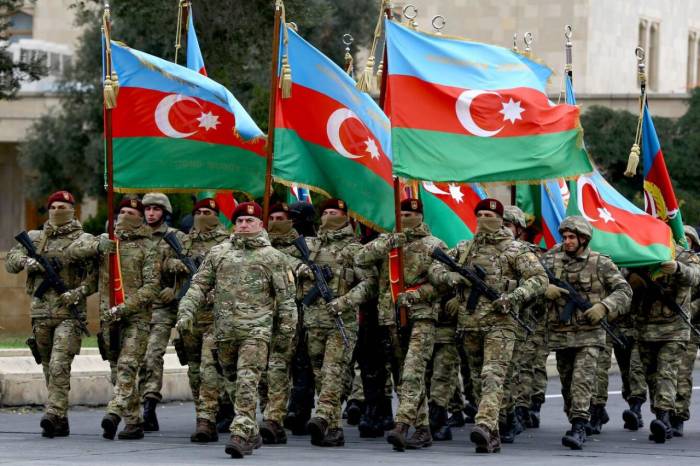
During the 44-day war in 2020 and the one-day anti-terror operation in 2023, the Azerbaijani Armed Forces demonstrated high professionalism. The operations conducted by Azerbaijan introduced innovations to military science and forced many countries to reconsider their combat operation strategies. Multiple factors were decisive in achieving this ultimate victory.
However, the claims made by some politicians at various times about any foreign country's assistance on the battlefield are fundamentally wrong and politically motivated. Despite foreign assistance in training, military hardware, and other military issues, it was the unity of the Azerbaijani leadership and people who sacrificed their lives on the battlefield, thus ending thirty years of Armenian occupation.
First of all, it should be emphasized that the victory became possible thanks to the skillful leadership, strategic patience, and diplomatic maneuvers led by President Ilham Aliyev.
Furthermore, it should be noted that the military personnel of the Azerbaijani Armed Forces received training from one of the leading armies of the world—Türkiye. Special forces and military intelligence units, which distinguished themselves by their high professionalism in combat operations, have undergone various training programs in the USA, Türkiye, Pakistan, Germany, Italy, and other countries.
Regarding weapons and military-technical support, the Azerbaijani Army's arsenal includes various weapons and military equipment produced by Russia, Israel, Turkey, the Czech Republic, Belarus, etc. Notably, none of these weapons were gifts or donations; on the contrary, they were well paid for and purchased by Azerbaijan itself. The management of these weapons and equipment, integrated into a single system during the battles, was carried out by professional officers of the Azerbaijani Army.
In general, it should be emphasized that modern military science and combat experience show that no single weapon can be decisive in modern wars. Armed forces can succeed on the battlefield when they can synchronize and use all the weapons and equipment in their arsenal in a coordinated manner according to the relevant needs. Creating this system, in turn, required long-term preparation and professionalism. The use of Turkey-made “Bayraktar” UAVs in coordination with Israeli “Harop” UAVs is a good example of this. While “Bayraktar” UAVs could not enter the destruction radius of some air defense complexes, such as S-300 and TOR-M2K, “Harop” UAVs provided support in those cases. In addition, Russian-made anti-tank missiles were integrated into some aircraft, etc.
As can be seen, the presence of weapons and equipment from countries with different military doctrines in the hands of the Azerbaijani Army makes it impossible for any foreign country to master these weapons in a short period and fight in a region with such complex geography as Karabakh. This fact also suggests that allegations regarding third-country involvement in combat operations should be substantiated not only by eyewitness testimony but also by the logic of military expediency.
Additionally, the people of Azerbaijan, with a high national spirit, eagerly awaited the moment of revenge to liberate their land from occupation for many years. This directly led to the absence of desertion among Azerbaijani soldiers during the battles. This gives further reason to say that there was no need to attract military personnel from Türkiye or any other countries during the war. It should be noted that Azerbaijan lost nearly 3,000 martyrs in the 44-day war in 2020, and more than 200 military personnel were martyred in the one-day anti-terrorist operation in 2023.
In brief, the success Azerbaijan achieved both in the 44-day war and the 2023 anti-terrorist operation is due to a confluence of factors, including the long-term, in-depth training and the provision of high-precision modern weapons and equipment to the Azerbaijani Army, coupled with the fighting spirit of its soldiers and servicemen, as well as the solidarity between the people and the political leadership. These elements, in addition to moral and political support from Türkiye, Pakistan, and other friendly countries, played a decisive role altogether.
To conclude, in the last four years, we have repeatedly encountered foreign politicians trying to claim a share in Azerbaijan's victory. There will probably be more such cases in the future. However, these claims can never change the reality.
Naghi Ahmadov, a senior research fellow at the Center of Analysis of International Relations.
Fuad Abdullayev, a research fellow at the Center of Analysis of International Relations; Azerbaijani Army Reserve Lt. Col.
However, the claims made by some politicians at various times about any foreign country's assistance on the battlefield are fundamentally wrong and politically motivated. Despite foreign assistance in training, military hardware, and other military issues, it was the unity of the Azerbaijani leadership and people who sacrificed their lives on the battlefield, thus ending thirty years of Armenian occupation.
First of all, it should be emphasized that the victory became possible thanks to the skillful leadership, strategic patience, and diplomatic maneuvers led by President Ilham Aliyev.
Furthermore, it should be noted that the military personnel of the Azerbaijani Armed Forces received training from one of the leading armies of the world—Türkiye. Special forces and military intelligence units, which distinguished themselves by their high professionalism in combat operations, have undergone various training programs in the USA, Türkiye, Pakistan, Germany, Italy, and other countries.
Regarding weapons and military-technical support, the Azerbaijani Army's arsenal includes various weapons and military equipment produced by Russia, Israel, Turkey, the Czech Republic, Belarus, etc. Notably, none of these weapons were gifts or donations; on the contrary, they were well paid for and purchased by Azerbaijan itself. The management of these weapons and equipment, integrated into a single system during the battles, was carried out by professional officers of the Azerbaijani Army.
In general, it should be emphasized that modern military science and combat experience show that no single weapon can be decisive in modern wars. Armed forces can succeed on the battlefield when they can synchronize and use all the weapons and equipment in their arsenal in a coordinated manner according to the relevant needs. Creating this system, in turn, required long-term preparation and professionalism. The use of Turkey-made “Bayraktar” UAVs in coordination with Israeli “Harop” UAVs is a good example of this. While “Bayraktar” UAVs could not enter the destruction radius of some air defense complexes, such as S-300 and TOR-M2K, “Harop” UAVs provided support in those cases. In addition, Russian-made anti-tank missiles were integrated into some aircraft, etc.
As can be seen, the presence of weapons and equipment from countries with different military doctrines in the hands of the Azerbaijani Army makes it impossible for any foreign country to master these weapons in a short period and fight in a region with such complex geography as Karabakh. This fact also suggests that allegations regarding third-country involvement in combat operations should be substantiated not only by eyewitness testimony but also by the logic of military expediency.
Additionally, the people of Azerbaijan, with a high national spirit, eagerly awaited the moment of revenge to liberate their land from occupation for many years. This directly led to the absence of desertion among Azerbaijani soldiers during the battles. This gives further reason to say that there was no need to attract military personnel from Türkiye or any other countries during the war. It should be noted that Azerbaijan lost nearly 3,000 martyrs in the 44-day war in 2020, and more than 200 military personnel were martyred in the one-day anti-terrorist operation in 2023.
In brief, the success Azerbaijan achieved both in the 44-day war and the 2023 anti-terrorist operation is due to a confluence of factors, including the long-term, in-depth training and the provision of high-precision modern weapons and equipment to the Azerbaijani Army, coupled with the fighting spirit of its soldiers and servicemen, as well as the solidarity between the people and the political leadership. These elements, in addition to moral and political support from Türkiye, Pakistan, and other friendly countries, played a decisive role altogether.
To conclude, in the last four years, we have repeatedly encountered foreign politicians trying to claim a share in Azerbaijan's victory. There will probably be more such cases in the future. However, these claims can never change the reality.
Naghi Ahmadov, a senior research fellow at the Center of Analysis of International Relations.
Fuad Abdullayev, a research fellow at the Center of Analysis of International Relations; Azerbaijani Army Reserve Lt. Col.


Similar news