Why does the U.S. revive nuclear power in Michigan?


Nuclear energy, known as one of the most effective ways to produce low-carbon electricity, continues to stir both controversy and excitement, especially against the backdrop of global environmental challenges, as reported by News.Az citing The New York Times.
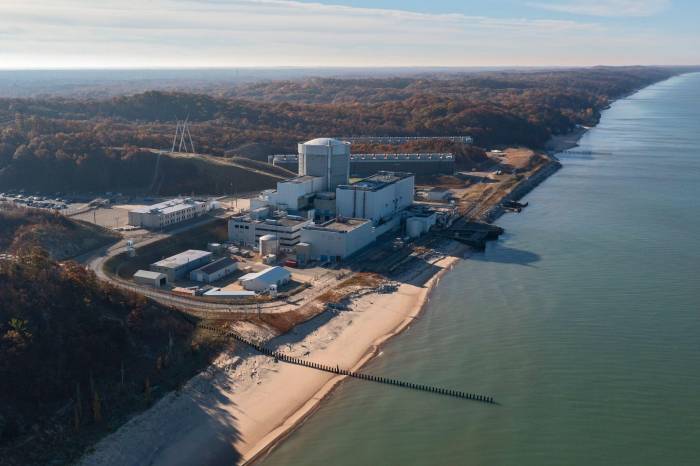
Holtec International’s recent deal to bring the Palisades Nuclear Power Plant in Michigan back online could mark a major turning point, not just for nuclear power in the U.S., but for the country's entire energy landscape. Backed by a $1.52 billion loan from the U.S. Department of Energy, Holtec is taking a bold step that could redefine the future of nuclear energy. This loan, part of the Investing in America initiative, is a key piece of the strategy to drive forward clean, sustainable energy.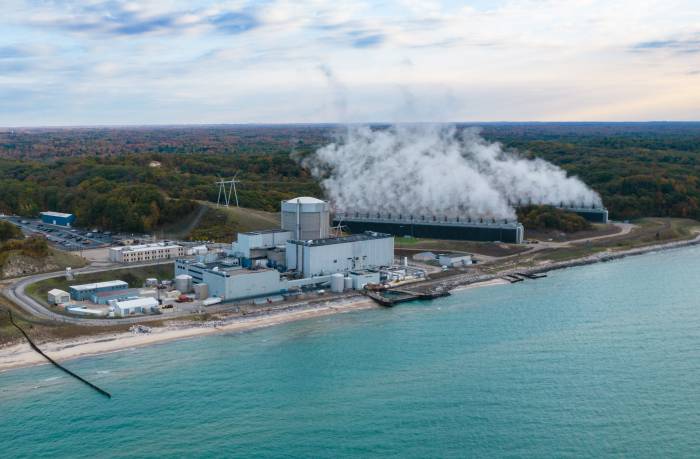
In the past decade, nuclear energy in the U.S. has experienced a series of ups and downs: while some plants have shut down, others are being given a new lease on life. However, Palisades is unique. The plant, which was decommissioned in 2022, is now set for a revival—a first in history where a nuclear plant is being restored after its shutdown. Holtec faces the challenge of not only bringing Palisades back online but also updating it to meet modern sustainability standards.
A key part of the restoration effort will involve inspecting and refurbishing the reactor, which Holtec aims to complete by October 2025. But as with many ambitious projects, delays are possible. A U.S. government official told Reuters that the process could take up to two years—longer than Holtec’s current plan—due to technical complexities and the need for regulatory approvals.
Palisades has a long history, dating back to its commissioning in 1971. Over the years, it powered Michigan with electricity, though its track record wasn’t spotless. Numerous incidents and unplanned shutdowns have drawn criticism. According to expert David Lochbaum, the plant has had at least 67 unscheduled outages since its start, raising questions about its reliability. Yet, despite these challenges, Palisades has remained a vital energy source for the region, providing high-paying jobs and supporting the local economy.
The decision to restart Palisades is stirring debate. Environmental groups like Michigan’s Sierra Club chapter oppose the move, calling it “reckless and costly.” They argue that solar and wind energy would be cheaper and faster alternatives. However, not everyone shares this view. With growing electricity demand driven by electric vehicles and data centers, the need for stable energy sources is rising. Nuclear energy, despite its risks, remains one of the few options capable of delivering uninterrupted power.
The U.S. Department of Energy is backing Palisades' revival as part of its strategy to build a low-carbon energy system. Deputy Secretary of Energy David Turk emphasized that electricity demand in the U.S. is expected to grow by 15% in the coming years, and nuclear power can play a key role in meeting that demand. While solar and wind energy depend on weather conditions, nuclear plants can run 24/7, making them essential in certain situations.
In addition to the main loan, Holtec has signed contracts with two major electricity providers—Wolverine Power Cooperative and Hoosier Energy. These companies have also received $1.3 billion in federal grants to purchase power from Palisades. While part of this funding will go toward developing renewable energy sources, Palisades will remain a key player in the region's energy ecosystem.


Similar news