Timeline: How the U.S. and Israel war with Iran escalated


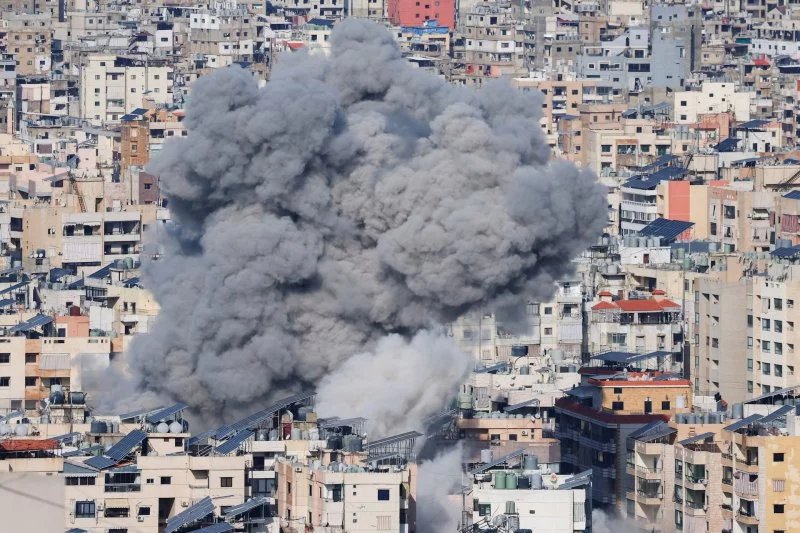
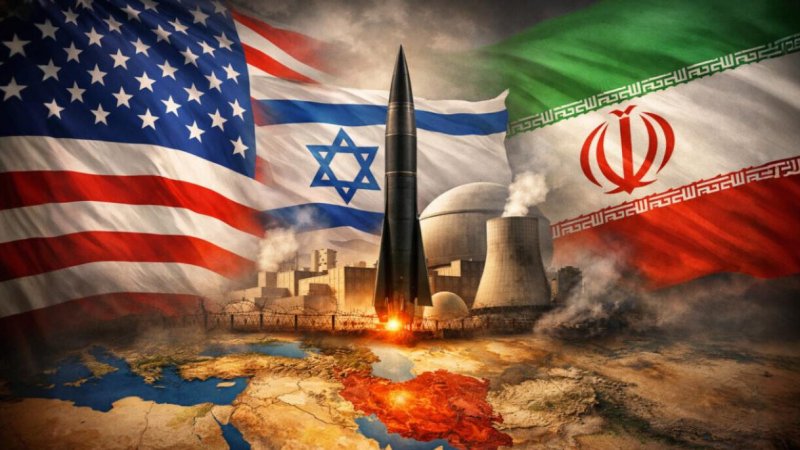
The confrontation between Iran and the United States and Israel has developed into one of the most dangerous geopolitical crises of the decade. What began as targeted military strikes quickly escalated into a broader confrontation affecting the entire Middle East. Missile exchanges, drone attacks, and strikes on military infrastructure have shaken the region and triggered significant volatility in global energy markets.
The following timeline outlines how the crisis escalated into a large-scale conflict involving multiple states and threatening wider regional stability.
The roots of the confrontation stretch back more than four decades. Relations between Iran and the United States have been hostile since the 1979 Islamic Revolution, when the pro-Western monarchy was overthrown and replaced by an Islamic Republic. Later that year, Iranian students seized the U.S. embassy in Tehran, holding American diplomats hostage for 444 days. The crisis profoundly shaped bilateral relations and set the stage for a lasting state of confrontation.
Tensions periodically flared over the following decades. Washington accused Tehran of supporting militant groups across the Middle East and pursuing nuclear weapons capabilities. Iran consistently rejected these claims, insisting its nuclear program was purely civilian, intended for energy and research purposes.
RECOMMENDED STORIES
Israel, meanwhile, viewed Iran’s growing missile capabilities and nuclear ambitions as a direct threat to its national security. Israeli leaders repeatedly warned that they would not allow Iran to develop nuclear weapons and indicated that military options remained on the table.
In the 2010s, the confrontation intensified as Iran expanded its influence across the region. Tehran forged alliances with armed groups and political movements in Lebanon, Iraq, Syria, and Yemen. Analysts often described these networks as the “axis of resistance,” enabling Iran to project power well beyond its borders.
 Source: Shutterstock
Meanwhile, negotiations over Iran’s nuclear program produced the Joint Comprehensive Plan of Action (JCPOA) in 2015. The agreement temporarily eased tensions by imposing strict limits on Iran’s nuclear activities in exchange for sanctions relief. However, the deal collapsed after the United States withdrew and reimposed severe economic sanctions.
Following the collapse of the nuclear agreement, tensions steadily rose. Iran expanded its nuclear activities, while the United States increased pressure through sanctions and military deployments in the Persian Gulf.
The situation worsened during the early 2020s as missile and drone technology became central to regional military strategies. Iran developed a large arsenal of ballistic missiles and unmanned aerial vehicles, while Israel enhanced its missile defense systems and precision strike capabilities.
By 2025, the confrontation escalated further. A series of covert operations, cyberattacks, and targeted strikes between Israel and Iran intensified the rivalry. Israeli intelligence was widely believed to be behind sabotage operations targeting Iran’s nuclear infrastructure, while Tehran accused Israel of assassinating key scientists and military figures.
The tensions erupted into open confrontation in mid-2025, when Israel launched strikes on Iranian military facilities and strategic infrastructure, targeting missile bases, weapons depots, and nuclear-linked sites. The United States provided indirect support by striking several Iranian-linked facilities described as part of Iran’s strategic network. It was one of the first times in decades that the U.S. and Israel acted simultaneously against Iranian targets on such a scale.
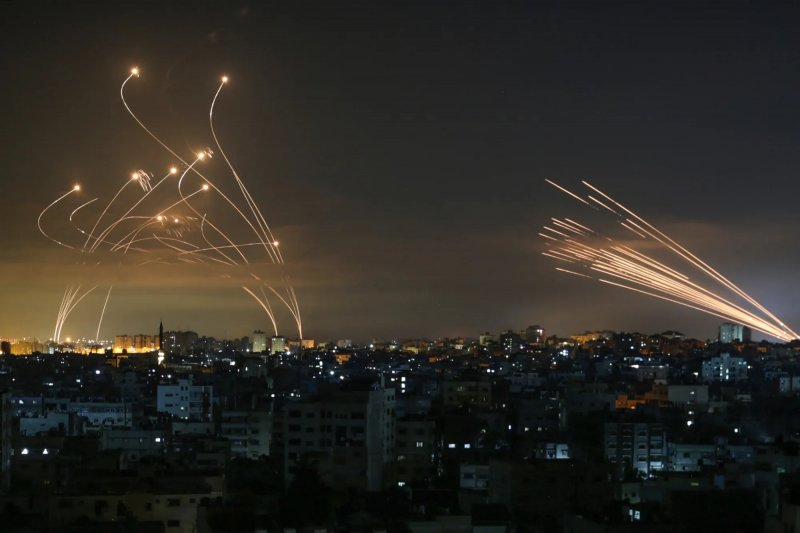
Iran responded with ballistic missiles and drones targeting U.S. military bases in the Middle East and Israeli territory. While many projectiles were intercepted, several strikes caused damage and casualties, signaling Tehran’s readiness to directly challenge both Washington and Tel Aviv.
Although the confrontation temporarily subsided after several weeks, underlying tensions remained. Military analysts warned that direct confrontation between Iran and Israel had become increasingly likely.
By early 2026, diplomatic efforts to reduce tensions had largely collapsed. Nuclear talks stalled, and intelligence reports suggested both sides were preparing for possible escalation.
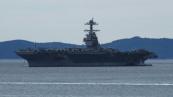
The United States reinforced its military presence in the region, deploying aircraft carriers, long-range bombers, and air defense systems. Washington framed the deployments as deterrence, but Tehran viewed them as preparation for potential conflict. Israel also increased its military readiness, reiterating that it would act decisively if it perceived Iran nearing nuclear weapons capability.
The situation dramatically escalated at the end of February 2026. On February 28, the U.S. and Israel launched a large-scale military operation targeting Iran. Hundreds of strikes hit Iranian military infrastructure, including missile launch facilities, air defense systems, command centers, and strategic bases. Several high-ranking military and security figures were reportedly killed in the initial wave.
Iran immediately retaliated with massive ballistic missile and drone attacks on Israel and U.S. military facilities across the Middle East. The strikes targeted military bases, radar installations, and strategic infrastructure, while some projectiles hit civilian areas, causing casualties and widespread alarm.
Neighboring countries were quickly affected. Airspace across parts of the Middle East was closed as missile and drone activity intensified, prompting several international airlines to suspend flights to major Gulf hubs.
Energy markets reacted sharply. Fears of disruptions to oil shipments through the Strait of Hormuz, through which roughly one-fifth of global oil supplies pass, triggered a rapid increase in oil prices.
The Strait of Hormuz is one of the most critical maritime routes in the world, with roughly one-fifth of global oil supplies passing through it. Any disruption to shipping in the strait has the potential to send shockwaves through the global economy.
As the conflict continued into March, Iran-aligned groups began attacking Israeli positions and Western interests. Hezbollah in Lebanon intensified rocket fire toward northern Israel, prompting retaliatory Israeli strikes on military infrastructure inside Lebanon. Iranian officials warned that further attacks would trigger broader retaliation against U.S. allies.
 Source: AFP
Despite repeated missile barrages, Israel’s multilayered air defense system, supported by U.S. technology, intercepted many incoming projectiles. Nevertheless, several missiles penetrated defenses, causing damage and injuring civilians. Within Iran, repeated airstrikes targeted military installations across several provinces, reportedly destroying multiple bases and logistical facilities. Analysts noted that the strikes aimed both at immediate targets and at weakening Iran’s long-term missile capabilities.
By the second week of the conflict, some observers reported a decrease in the intensity of Iranian missile launches, likely due to the destruction of storage facilities and launch platforms in earlier waves. However, experts caution that Iran still retains significant military capabilities, including large stockpiles of missiles and drones.
Diplomatic efforts to halt the fighting have so far produced limited results. International actors continue to call for de-escalation, but negotiations remain fragile and uncertain.
The broader implications of the conflict remain unclear. With rising tensions across the Middle East and energy markets already reacting to instability, analysts warn the confrontation could escalate into a wider regional war if diplomatic solutions are not found.
For now, the region remains on edge as the United States, Israel, and Iran continue to exchange threats while preparing for the possibility of further escalation.


Similar news