Why Venezuela’s fate may depend on the next Putin–Trump handshake


Editor’s Note: Pedro Escobar Medina is a journalist and director of the QAP Chaco News Agency in Paraguay. He writes on geopolitics, development, and Latin American affairs. The views expressed in this article are his own and do not necessarily reflect those of News.Az.
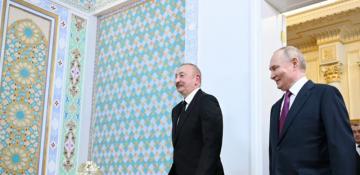
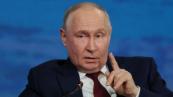
As the world turns its attention to Hungary for the upcoming meeting between Russian President Vladimir Putin and U.S. President Donald, this marks their second face-to-face encounter since the Anchorage summit in August, where both leaders surprised observers with a pragmatic approach.
That initial meeting hinted at a potential thaw in the frosty relations between Washington and Moscow, a shift that could have significant repercussions not only for Europe a, nd Asia but also for Latin America, where the balance of power has long been shaped by global rivalries. Venezuela, in particular, is closely watching these developments, as its political and economic fate has been heavily influenced by its complex ties with both superpowers.
A fragile bridge between Moscow and Washington
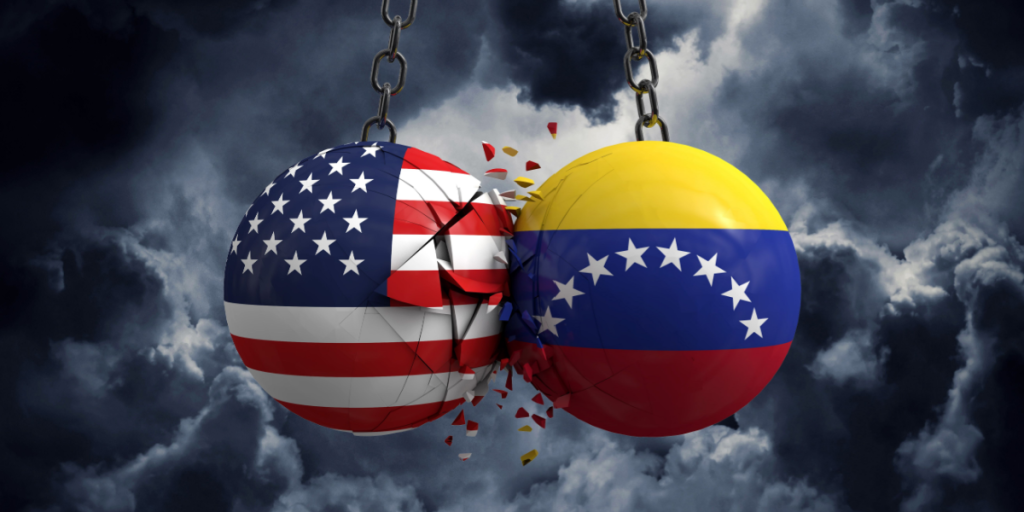
For nearly 20 years, Venezuela has relied on Russia as its primary strategic ally in the face of U.S. sanctions and diplomatic isolation. Moscow has provided arms, oil diluents, and, crucially, political support.
The strategic partnership agreement signed by Presidents Nicolás Maduro and Vladimir Putin in May 2025 further cemented this bond, emphasizing collaboration in energy, security, and technology.
Source: Reuters
Trade between the two countries surged by nearly 70% in 2024, driven by joint energy projects and Russia stepping in to fill the gap left by U.S. oil imports. For Caracas, Russia has become more than a partner, it is a lifeline, a crucial supporter in difficult times.
However, this reliance comes with drawbacks. Russia’s capacity for substantial investment is limited by its own economic challenges. Much of the assistance it provides is more symbolic: arms deals, modest loans, and diplomatic backing, rather than the significant financial support Venezuela urgently needs to rebuild.
If the current warming of relations between Putin and Trump continues, it could inadvertently reshape Venezuela’s strategic landscape. Caracas may find itself in a precarious position, navigating the shifting currents of international politics.
The opportunity: A new space for dialogue
Source: Discoveryalert
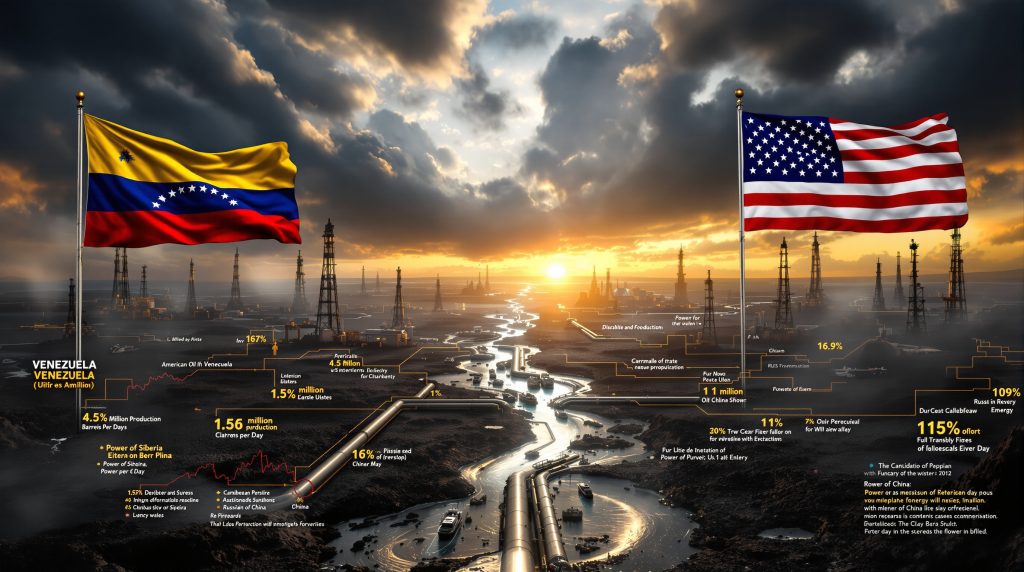
For Washington, Venezuela has always been a bit of a double-edged sword, a challenge and a cautionary tale rolled into one. It serves as a stark reminder of how isolation can push a nation closer to America’s rivals. The Biden administration dipped its toes into limited engagement with Caracas through discussions about oil, but with Trump back in the picture, everything changes.
Trump tends to see negotiation as a transaction. A more lenient approach toward Russia might prompt him to rethink U.S. policy on Venezuela, not out of sympathy, but rather strategy. If Moscow and Washington can find some common ground on global energy markets or ways to ease sanctions, Caracas could become a testing ground for practical diplomacy, a chance for the U.S. to regain some influence without resorting to military action.
From Venezuela’s viewpoint, this could create a slim window of opportunity:
- Targeted sanctions relief to alleviate humanitarian issues and permit limited oil exports under supervision.
- Reinvestment pathways through Russian or third-party intermediaries that were previously blocked by secondary sanctions.
- A symbolic normalization, allowing Venezuela to re-enter global discussions not as a pariah but as a monitored partner.
Yet, the road ahead is quite narrow. Trust between Caracas and Washington is almost non-existent. The U.S. Congress still sees the Maduro government as illegitimate, and Venezuela’s internal issues such as corruption, repression, and institutional decay continue to chip away at its moral standing.
The challenge: Can Caracas pivot without capitulation?
Source: BBC
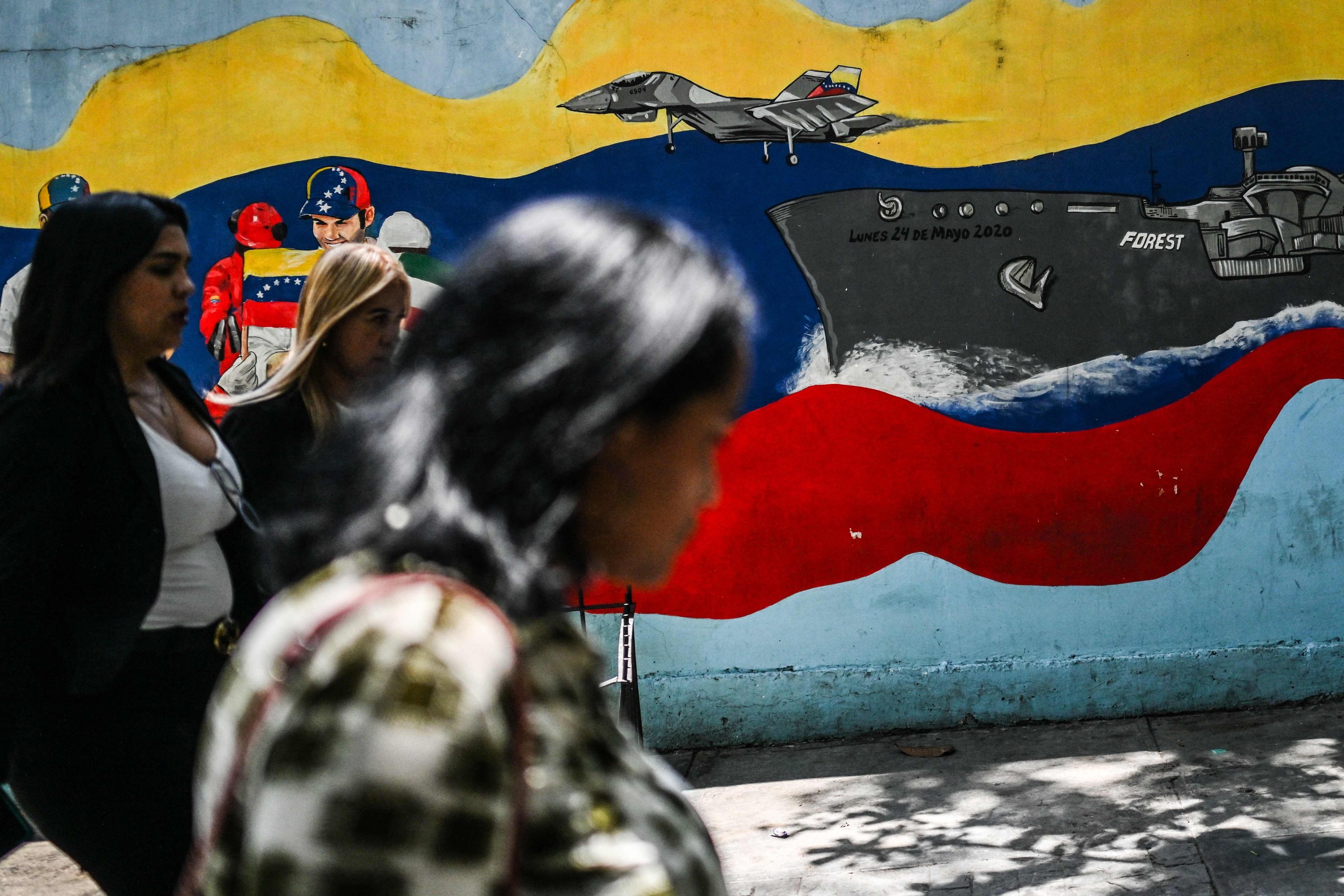
If Caracas wants to improve its relationship with Washington, it must tread carefully to avoid alienating Moscow. A more collaborative U.S.–Russia relationship could make this balancing act easier, but only if Venezuela is willing to show some flexibility in its approach.
This does not mean relinquishing sovereignty; rather, it requires understanding that economic recovery will demand a degree of political pragmatism. The government needs to demonstrate genuine commitment to transparency in the oil industry, respect for electoral processes, and a gradual reintegration into the global financial system.
A complete political overhaul is unlikely, but taking small, credible steps could convince Washington that engagement is more beneficial for stability than punishment.
At the same time, Moscow might quietly support this normalization. A financially stable Venezuela that is less cornered is ultimately a more reliable partner for Russia than one constantly mired in crisis.
Between giants: A small window of agency
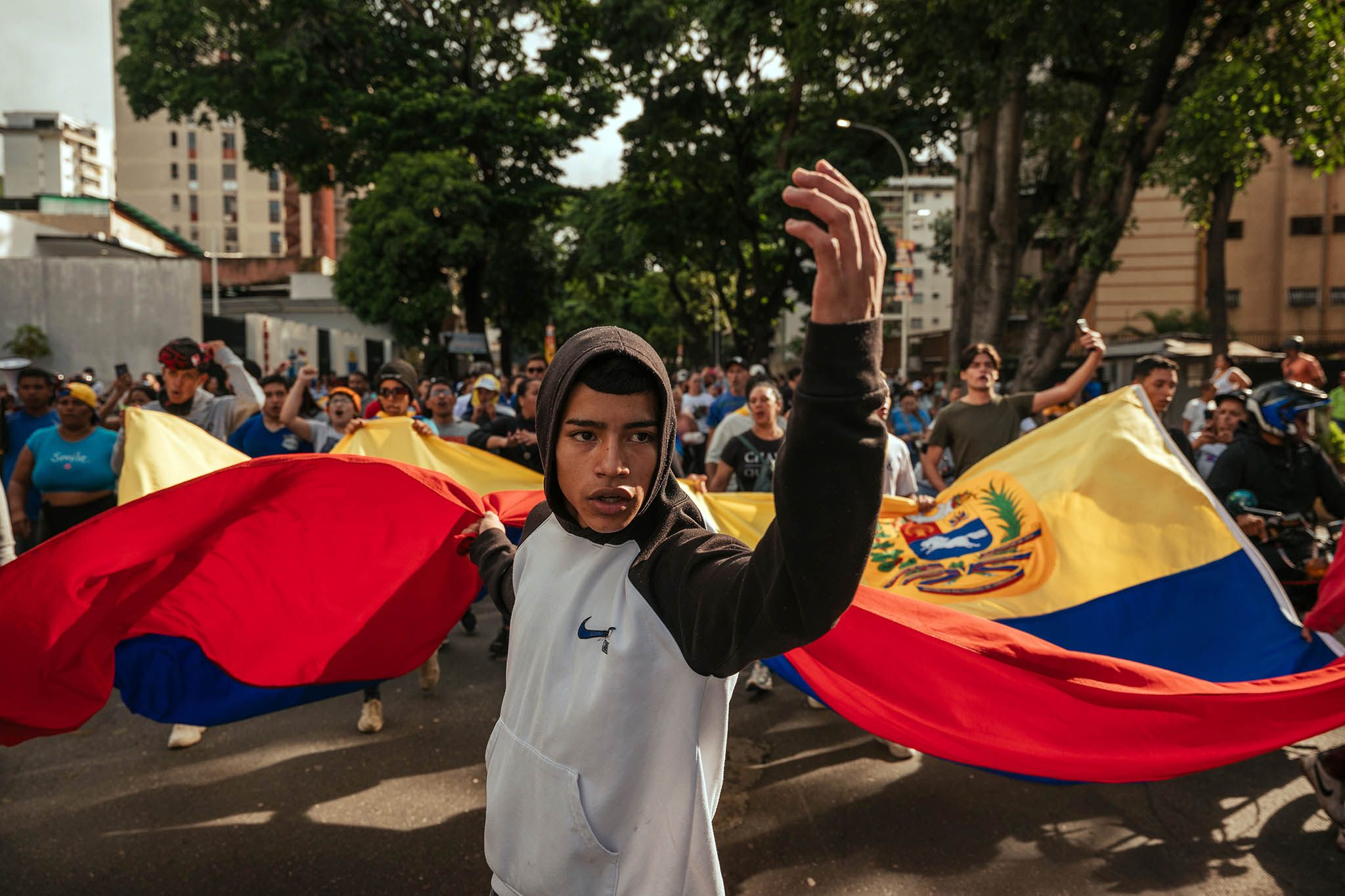
Source: Usip
The emerging world order is moving away from rigid blocs and toward a system based on leverage. If Trump and Putin can transform confrontation into cautious cooperation, Latin America will once again adjust to these shifting dynamics. For Venezuela, this means mastering the art of strategic ambiguity: maintaining ties with Moscow while cautiously rebuilding connections with Washington.
This new realism could redefine Venezuela’s role in the region. Rather than being viewed as a revolutionary stronghold or an isolated regime, it could emerge as a state capable of coexisting within a diverse global order.
That vision may seem distant, but in geopolitics, even small openings can have a significant impact. The handshake in Anchorage, and the next one in Budapest, could send ripples all the way to Caracas, offering a rare opportunity for Venezuela to advance not through conflict, but through diplomacy.
(If you possess specialized knowledge and wish to contribute, please reach out to us at opinions@news.az).


Similar news