A chronicle of India’s deadliest plane crashes: Fatal flights in 50 years - PHOTO


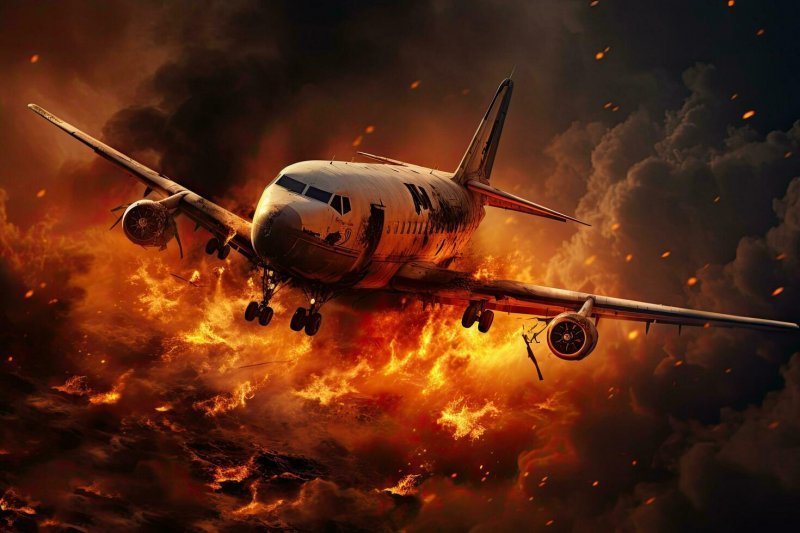
Over the past 50 years, India has witnessed several devastating passenger plane crashes, exposing recurring flaws in its aviation system, News.Az reports.
The series of tragedies began in 1978 with the crash of Air India Flight 855 off Bombay, killing all 213 onboard. Notable disasters followed, including the 1988 Indian Airlines crash in Ahmedabad (130+ dead) and the 1993 Aurangabad crash caused by a runway collision with a lorry. The deadliest incident occurred in 1996 near Delhi when two aircraft collided mid-air, killing 349 people—prompting air traffic control reforms.
In the 2000s, poor infrastructure and pilot error led to further losses, such as the Patna crash (2000) and the Mangalore runway overrun (2010), which killed 158. The Kozhikode crash in 2020, during monsoon rains, reignited concerns about tabletop runways. Most recently, in 2025, Air India Flight AI171 crashed in Ahmedabad shortly after takeoff, killing 204 of 242 passengers.
Common factors across these events include pilot error, weather challenges, outdated infrastructure, and regulatory failures. While some reforms followed, many were reactive rather than preventive. As India's aviation sector grows, experts call for systemic changes to ensure safety isn't sacrificed for expansion. Each crash serves as a tragic reminder of the cost of inaction.
1978 – Air India Flight 855
Sourc: toiimg
India’s modern aviation tragedy timeline begins on January 1, 1978, when a Boeing 747-237B crashed into the Arabian Sea shortly after takeoff from Bombay. The aircraft, carrying 213 people, spiraled out of control due to spatial disorientation of the captain, exacerbated by faulty instruments. All lives were lost.
1988 – Indian Airlines Flight 113

Source: etimg
A decade later, on October 1988, a Boeing 737 of Indian Airlines plunged during its approach to Ahmedabad. Low visibility and flawed descent coordination were blamed. Over 130 passengers perished, marking one of the worst air disasters in the region.
1993 – Indian Airlines Flight 491
Source: thedailyguardian
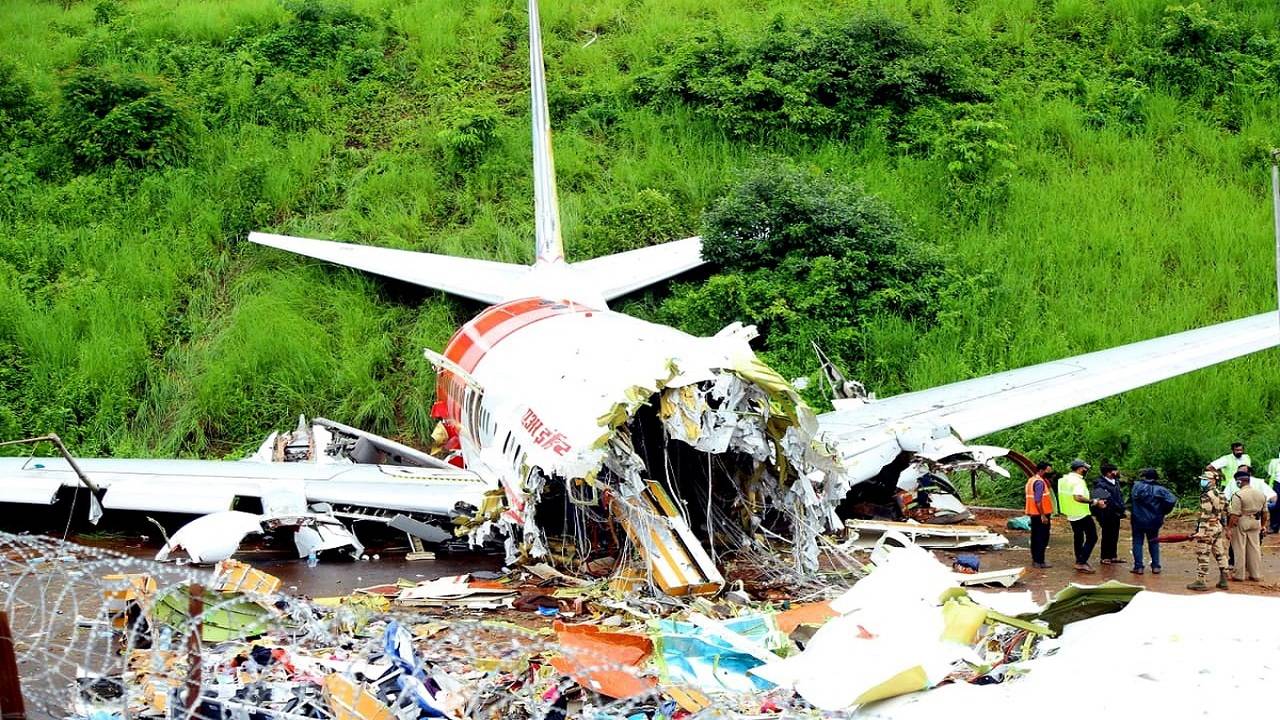
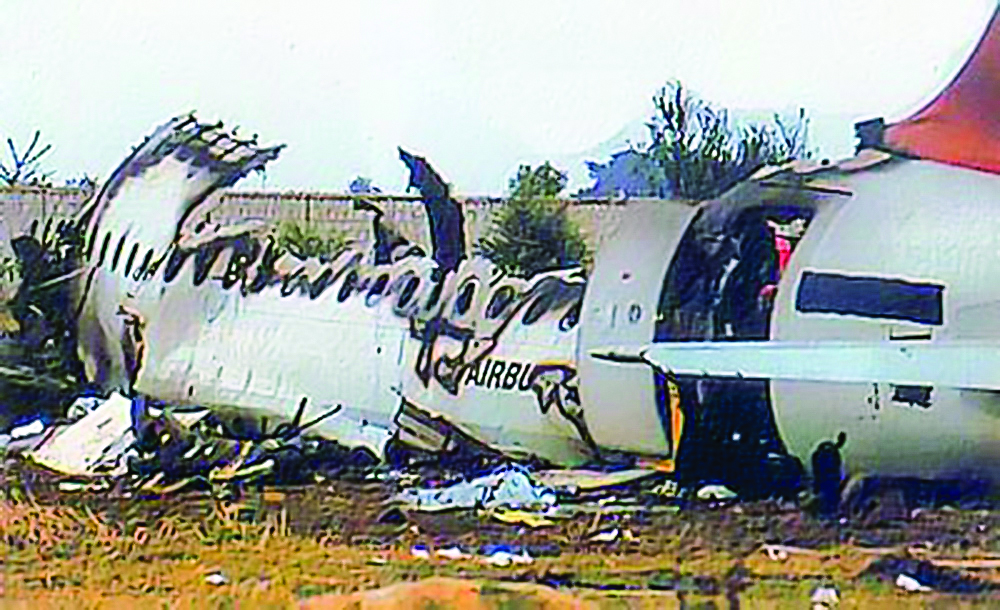
On April 26, 1993, tragedy struck again—this time in Aurangabad. A Boeing 737, upon takeoff, collided with a lorry on the runway and crashed, killing 55 of the 118 passengers. This incident exposed serious ground operation lapses at regional airports.
1996 – Charkhi Dadri Mid-Air Collision

Source: taketotheskypodcast
Perhaps India’s deadliest, the mid-air collision on November 12, 1996, between a Saudia 747 and a Kazakhstan Airlines Il-76 near Delhi shocked the world. 349 people died. Investigations found critical failures in communication and air traffic control, prompting reforms in ATC protocols and mandatory use of Traffic Collision Avoidance Systems (TCAS).
2000 – Alliance Air Flight 7412
Source: guim.co.uk
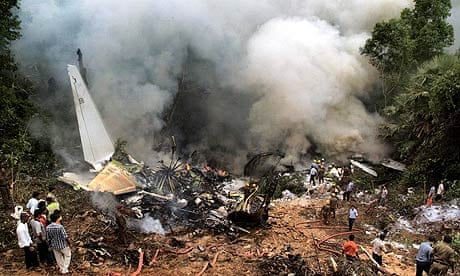
On July 17, 2000, a Boeing 737 operating for Alliance Air crashed while approaching Patna, killing 60 people, including five on the ground. Pilot misjudgment led to a stall, raising concerns over cockpit training and urban encroachment around airports.
2010 – Air India Express Flight 812
)
Source: firstpost
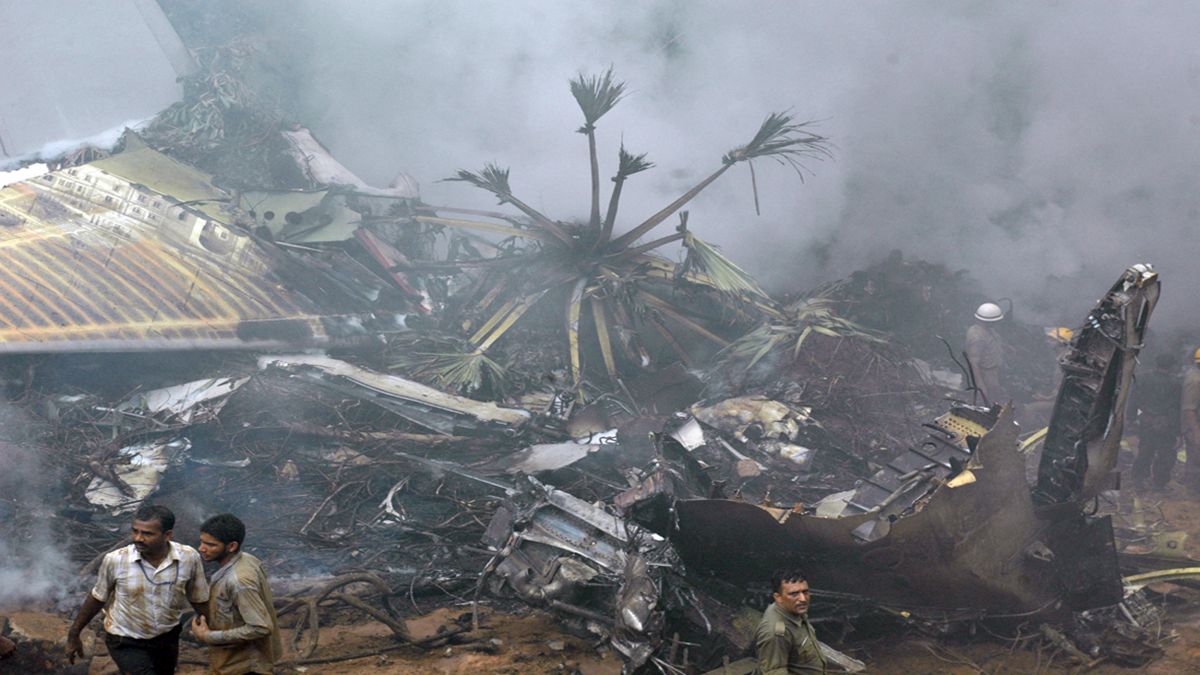
On May 22, 2010, a Boeing 737-800 inbound from Dubai overshot the runway in Mangalore, fell into a gorge, and caught fire. The crash claimed 158 lives out of 166 onboard. The "tabletop runway" at Mangalore came under scrutiny for its unforgiving design.
2020 – Air India Express Flight 1344
Source: medium
The Kozhikode crash on August 7, 2020, echoed earlier fears. Amid torrential rains, a repatriation flight from Dubai overran the tabletop runway. 21 people died, including both pilots, and over 110 were injured. The aviation regulator faced criticism for not acting on previous safety warnings.
2025 – Air India Flight AI171
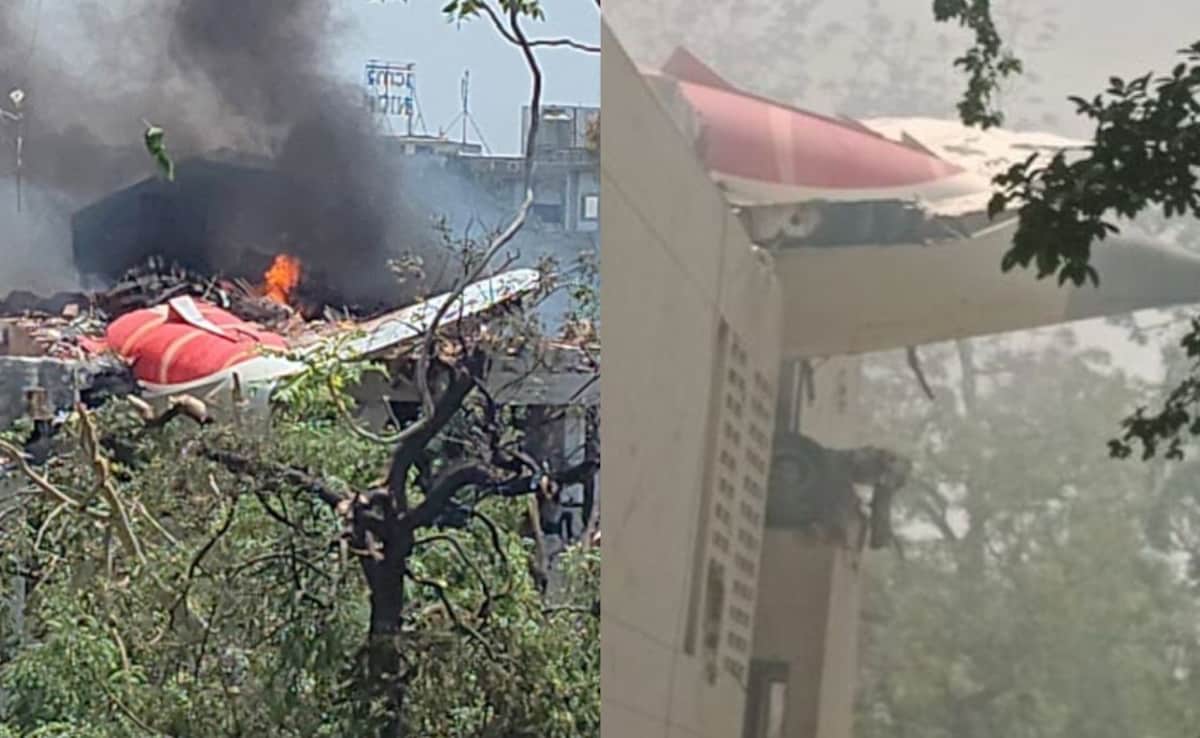
Source: ndtvimg
India's latest aviation tragedy occurred on June 12, 2025, when Flight AI171, a Boeing 787 Dreamliner en route to London, crashed moments after takeoff from Ahmedabad. The aircraft veered and struck a nearby doctors’ hostel, killing 290. A single British passenger reportedly survived by jumping from the aircraft moments before the explosion. Preliminary reports suggest mechanical failure combined with possible pilot spatial disorientation—a chilling echo of the 1978 crash.


Similar news