WUF13 in Baku: Azerbaijan’s rising role in global urban agenda


Editor's note: Aysel Mammadzada is an Azerbaijan-based journalist. The views expressed in this article are the author’s own and do not necessarily reflect those of News.Az.
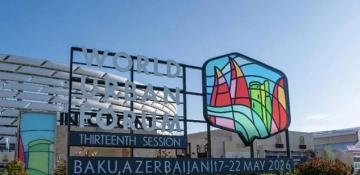
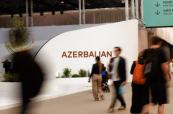
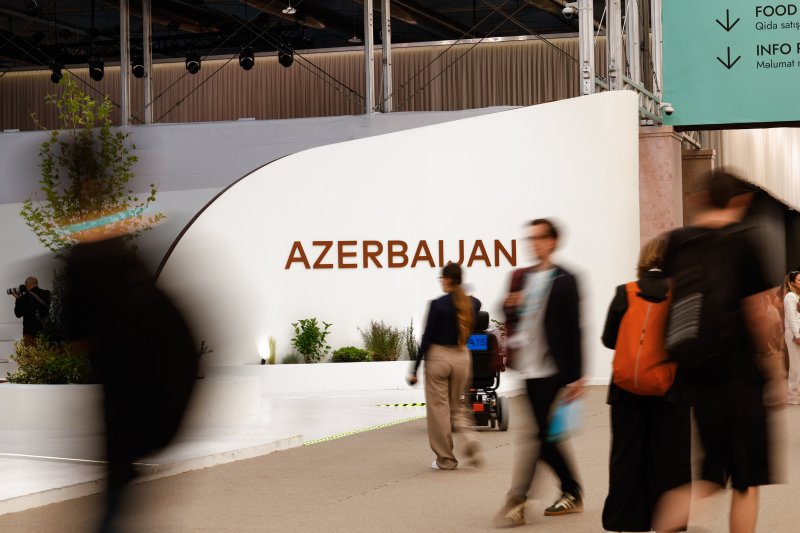
In recent years, Azerbaijan has earned a distinctive position within the system of international relations by becoming a hub for strategic dialogues on a global scale. Following the successful organization of COP29, the city of Baku once again proved to be a center for international partnership and multilateralism by hosting another major global event. Bringing together nearly 58,000 participants from 176 countries, the 13th session of the World Urban Forum (WUF13) went down in the history of the forum as the largest and most memorable session — not only in terms of numbers, but also for its future-oriented decisions and innovations.
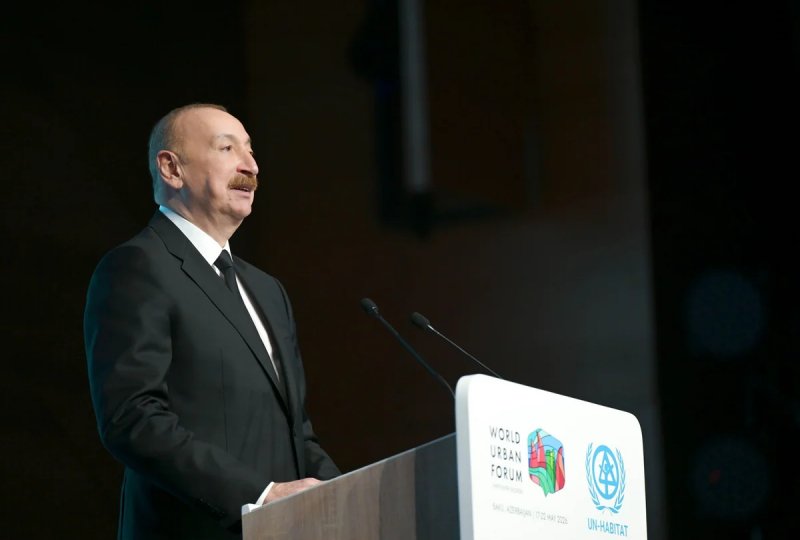
One of the greatest innovations that set WUF13 apart from previous forums and elevated its political significance to its peak was the "Leaders' Statements Session," organized at the initiative of Azerbaijani Republic Ilham Aliyev. Held for the first time in the history of the World Urban Forum right here in Baku, this segment saw the participation of 27 heads of state and government, as well as leaders of international organizations. This is a clear indicator of Azerbaijan's ability to assemble the international community around strategically vital issues and shape new platforms for dialogue.
The staggering attendance figures and the high-level participation at WUF13 are not isolated anomalies, but rather the culmination of a meticulously crafted, long-term foreign policy strategy. Over the last decade, Baku has transitioned from being a passive participant in global affairs to an assertive, vital architect of international cooperation. By positioning itself at the crossroads of Eastern Europe and Western Asia, the country has uniquely leveraged its geopolitical standing to bridge divides between the Global North and Global South. The introduction of the "Leaders' Statements Session" effectively codified this role, transforming what has traditionally been a technically-focused urban planning seminar into a high-stakes geopolitical arena where global leaders must confront the socio-economic realities of the modern era.
The Ministerial Meeting held on May 17 under Azerbaijan's chairmanship, which brought together ministers and deputy ministers from nearly 70 countries, also formed one of the core pillars of this global solidarity. The "Chair's Summary" document adopted at the end of the meeting served as a crucial roadmap for the forum’s final declaration, the "Baku Call to Action," as well as for the implementation of the UN's New Urban Agenda.
By framing the "Baku Call to Action" as a core pillar of the UN's New Urban Agenda, the forum took a definitive stance against the administrative inertia that frequently plagues large-scale international summits. The Ministerial Meeting highlighted that the rapid expansion of contemporary cities — expected to house nearly 70% of the global population by 2050 — can no longer be managed with outdated, 20th-century blueprints. The adopted framework demands a systemic overhaul of municipal financing, calling for heavier collaboration between state governments, local municipalities, and private entities to ensure that global capital is directed where it is most urgently needed: resilient, equitable infrastructure.
Azerbaijan participated in this forum not just as a hospitable host, but as a country possessing unique, practical experience in urban planning. In both the "Chair's Summary" and the "Baku Call to Action" documents, our country's post-conflict reconstruction and recovery activities were highly commended as a beneficial international blueprint for other regions facing similar challenges.
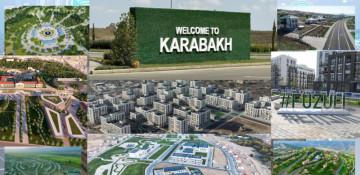
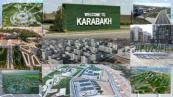
Using its own financial and human resources, Azerbaijan is rebuilding nine cities and more than 100 villages that were subjected to urbicide, ecocide, and culturicide during long years of occupation. The "Great Return" Program, which aims for the safe and dignified return of former internally displaced persons (IDPs) to their native lands, became one of the central themes of the forum.
The sheer scale of the "Great Return" program serves as an unprecedented case study for contemporary urbanists precisely because it starts entirely from zero. The term urbicide — the deliberate, systematic destruction of a city's physical and social fabric — accurately captures the condition of the territories being reclaimed. For decades, these regions were completely isolated from global developmental trends. Consequently, Azerbaijan’s current efforts require more than just clearing debris and laying brick; they necessitate the mapping of entire regional economies from the ground up. This blank-canvas reality presents a rare, real-world laboratory to test whether the theoretical ideals of modern sustainable architecture can be successfully deployed under the most hostile post-conflict conditions.
The deployment of "smart city" and "smart village" concepts, the building of sustainable infrastructure, and the integration of green technologies in these reconstruction efforts sent a powerful message to the world on how modern urban planning can be applied in conflict-affected areas. At the same time, the final document strongly emphasized the direct role that the destruction of civilian infrastructure, schools, hospitals, and biodiversity by wars plays in forcing people into displacement.
Just as it did at COP29, Azerbaijan succeeded in creating a lasting global legacy at WUF13. A prime example of this was the high-level forum held at the initiative of Leyla Aliyeva, Vice President of the Heydar Aliyev Foundation and founder/head of the IDEA Public Union, titled "Breathing Life into the New Urban Agenda: Integrating Air Quality and Green Infrastructure for Sustainable Cities," which culminated in the adoption of the "Baku Call for Breathing Cities" communiqué. This initiative called for the issue of clean air and environmental health to be established as a permanent agenda item in future sessions of the World Urban Forum.
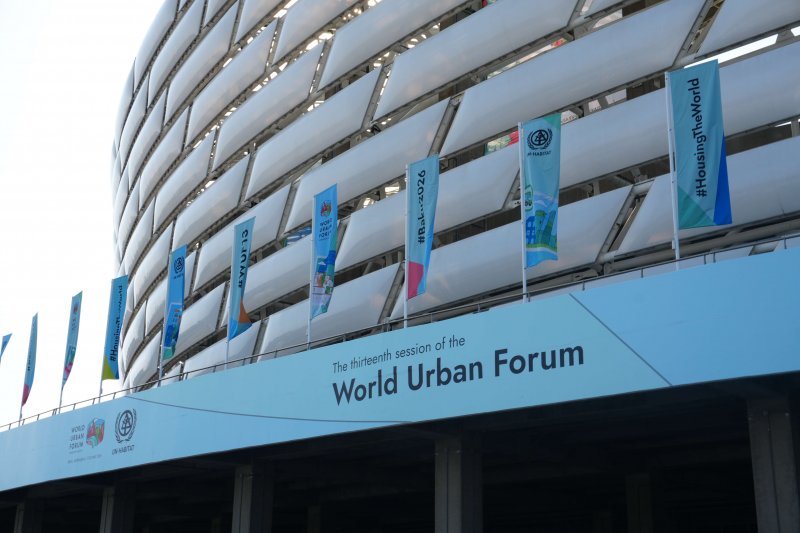
Furthermore, the "Baku City Award," established at Azerbaijan's initiative, stands as tangible proof of our country's commitment to global urbanization processes. Most notably, the organization of all future forums will now be carried out based on the "Baku Standards." According to the Letter of Intent signed between Azerbaijan's State Committee on Urban Planning and Architecture and the United Nations Human Settlements Programme (UN-Habitat), the operational guidelines for upcoming sessions will be grounded precisely in the WUF13 Baku experience.
The institutionalization of the "Baku Standards" represents a fundamental paradigm shift for UN-Habitat and the organizational architecture of future global summits. Historically, hosting a forum of this magnitude meant adhering to rigid, pre-existing UN administrative guidelines. However, by formalizing the WUF13 operational experience as the baseline for all subsequent sessions, the international community has essentially acknowledged that Baku’s logistical framework, which merged digital synchronization, strict environmental metrics, and accessible high-level political involvement, is superior to past models. This ensures that the operational legacy of the Baku experience will echo through future iterations of the forum for years to come.
The WUF13 session not only solidified Azerbaijan's international prestige but also presented the world with a model of sustainable cities that are "modern yet loyal to their historical roots" and "green and breathing rather than devastated."
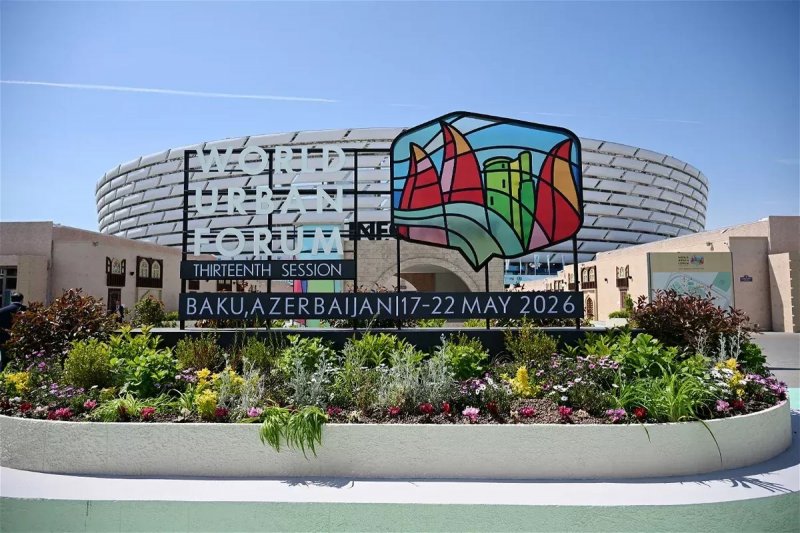
The decisions adopted with the unanimous gratitude of 176 countries and the "Baku Call to Action" document demonstrated that Azerbaijan is no longer just an organizer of global events, but a leading nation that actively shapes the global urban agenda and sets the trends for the future.
(If you possess specialized knowledge and wish to contribute, please reach out to us at opinions@news.az).


Similar news