Armenia's pollution of the Araz River harms the ecosystem: Iranian newspaper


Iran-based Peyam-e Ma newspaper has prepared an investigative article regarding the pollution of the Araz River, News.Az reports.
The points raised in the investigation cause serious concern about the pollution levels of the Araz River.
Iran is concerned about Armenia's pollution of the Araz River.
The research, titled "Pollution of Araz: A Puzzle That Becomes More Complicated with Every Answer," published by Iran's renowned mass media outlet specializing in environmental issues, Peyam-e Ma, is based on over 50 sources, including official documents from Iranian state agencies, academic studies, and surveys and interviews conducted by the newspaper's reporters.
The article touches upon the Iranian government's plan to use water from the Araz River to supply drinking water to Tabriz city. It is reported that the issue became more relevant following the depletion of the Nahand reservoir in the summer of 2023, which caused a drinking water problem in Tabriz.
It is mentioned that the Energy Minister of Iran announced in September 2024 that a project to transfer water from the Araz River to provide drinking water to Tabriz city and small towns along the route — including Julfa, Hadishahr, Marand, Sufian, and Shabustar — would begin, raising concerns.
Reports from official Iranian bodies, such as the Ministry of Energy, the Ministry of Foreign Affairs, the relevant Commission of the Islamic Consultative Assembly, and the Environmental Protection Organization, have confirmed that the water of the Araz River is polluted with heavy metals.
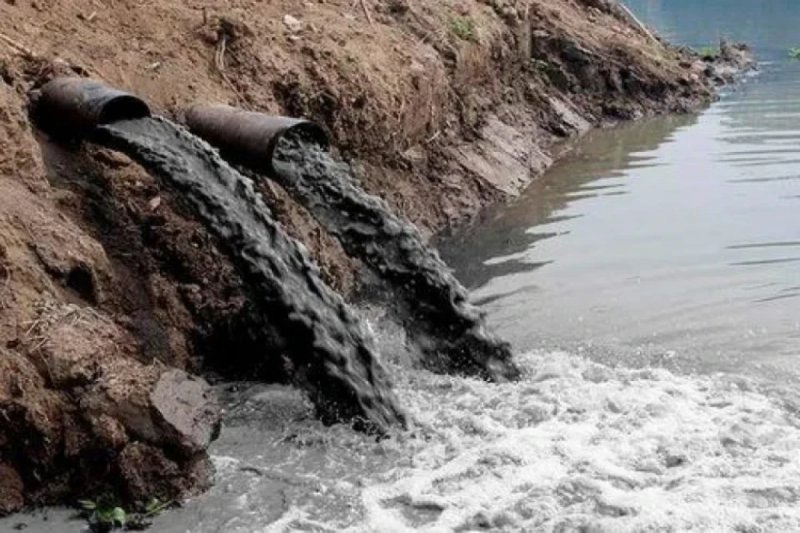
The article states: "The water of the Araz River has been polluted with aluminum, arsenic, copper, manganese, molybdenum, lead, vanadium, and other heavy metals, causing serious harm to the river's ecosystem and the environment."

The Metsamor Nuclear Power Plant’s pollution of the Araz River has led to an increase in stomach cancer cases in Ardabil.
The investigation notes that, based on scientific research and expert opinions, the main cause of pollution in the river is the waste being discharged into the Araz River by Armenia's copper mines and the Metsamor Nuclear Power Plant: "The pollution of the Araz River by the Metsamor Nuclear Power Plant has led to an increase in diseases such as stomach cancer in the region. This particularly affects Ardabil, East, and West Azerbaijan provinces. Ardabil, ranking 22nd in terms of population, is first in the country for gastrointestinal cancer rates."
The article also highlights that although Iran and Armenia reached an agreement in November 2023 to resolve the pollution of the Araz River over the coming year, there has been no concrete result, and Armenia has not taken any serious steps to address the pollution.
The issue has been consistently monitored by both Iranian and Azerbaijani media.
The pollution of the Araz River, along with other transboundary rivers by Armenia, has been raised for quite some time by both Iran and Azerbaijan. Investigative articles, analyses, and reports have been published numerous times in the media of both countries.
Iranian officials have repeatedly stated that the pollution of the Araz River, the scarcity of drinking water, and other problems are significantly influenced by industrial activities in Armenia.
This issue is also constantly highlighted by Azerbaijan as a serious problem. In fact, in July 2023, Azerbaijani non-governmental organizations sent an open letter to the Prime Minister of Armenia, Nikol Pashinyan, regarding the negative impact of Armenia's mining industry on the ecological stability of the South Caucasus region.
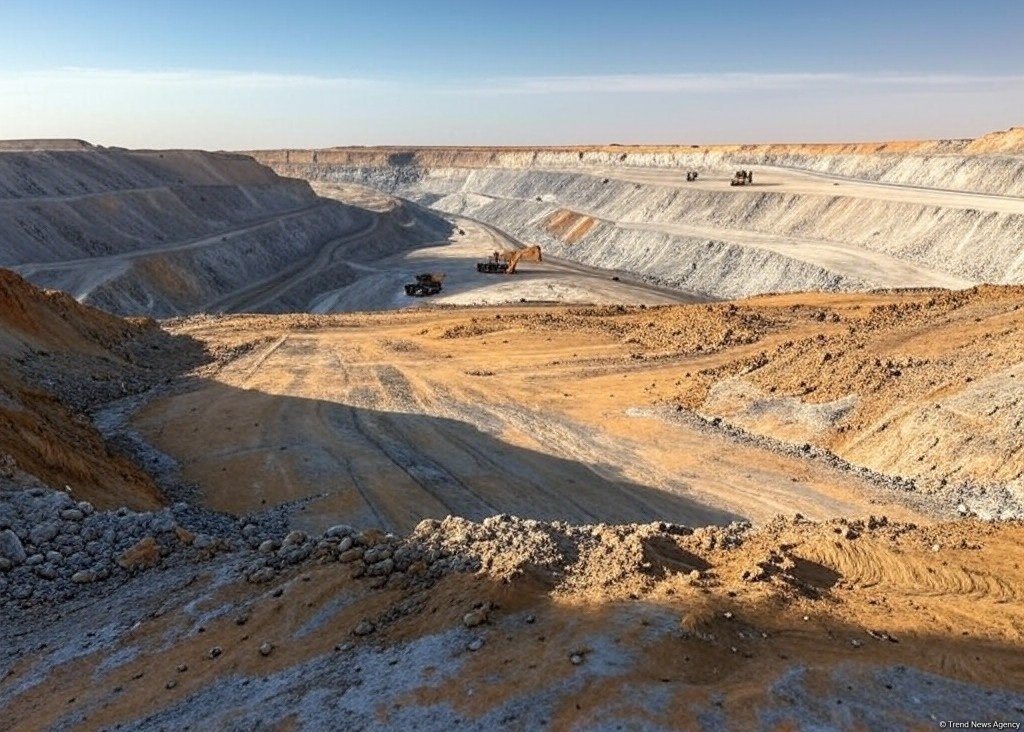
The letter points out that the Zangezur Copper-Molybdenum Combine and the Qafan mining complex’s waste containing chromium, nickel, copper, molybdenum, zinc, aluminum, vanadium, lead, and other heavy metals have polluted the Okhchu and Araz rivers, while the Akarak Copper-Molybdenum Combine's waste has poisoned the Araz River via the Kerchivan River.
The letter also lists other activities by Armenia that have led to ecological disasters, urging the Armenian government to immediately stop the activities in its mining industry that pose a threat to the region and the planet, and to adopt decisions that will ensure sustainable development and a healthy future for the region's population.


Similar news