Azerbaijan’s evolving civil society and rule of law: Progress, challenges, and future prospects


The establishment of a robust civil society and the rule of law in Azerbaijan is a multifaceted process, requiring sustained institutional development, civic engagement, and a commitment to fundamental rights and freedoms. As the country continues its post-independence transformation, these pillars remain essential to long-term stability, economic modernization, and social progress.
Since gaining independence in 1991, Azerbaijan has made strides in fostering civil society, with NGOs, media organizations, and grassroots initiatives playing an increasingly active role in public life. Over the past three decades, civil society actors have contributed to strengthening democratic institutions, promoting human rights, and addressing social and environmental challenges.
Azerbaijan’s NGO sector has expanded significantly, with organizations collaborating with government bodies to implement social policies and development programs. The rise of independent media and the growing influence of digital platforms have further facilitated public discourse, enabling citizens to engage more directly in governance and policymaking.
The government has introduced measures to create a more conducive environment for civil society, including legal and institutional reforms aimed at increasing transparency, strengthening civic participation, and supporting initiatives in areas such as social welfare and education. These efforts have led to greater public involvement in decision-making processes at both local and national levels.
Azerbaijan’s legal and judicial reforms have been central to its modernization agenda, reinforcing democratic governance and ensuring legal protections for citizens. The country’s 1995 Constitution enshrines key rights and freedoms, including freedom of expression, political participation, and judicial independence.
In recent years, Azerbaijan has undertaken reforms aimed at enhancing the judiciary’s effectiveness, improving legal transparency, and strengthening anti-corruption measures. The government has prioritized judicial training and oversight mechanisms to ensure fairer, more accessible legal processes.
Efforts to align Azerbaijan’s legal framework with international norms have also gained momentum. Legal institutions have adopted reforms to enhance human rights protections and modernize the judicial system, contributing to a more structured and accountable rule of law.
The Role of Leadership in Institutional Reforms
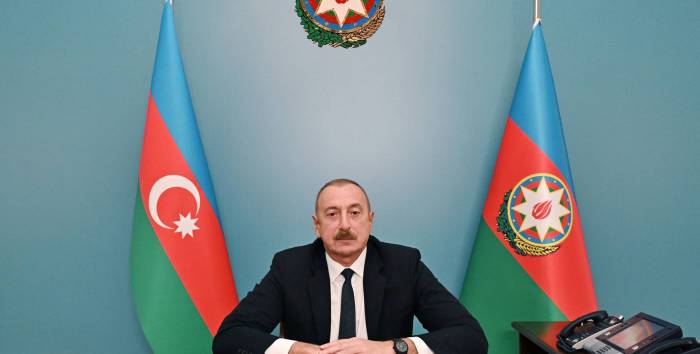
Under the leadership of President Ilham Aliyev, Azerbaijan has pursued comprehensive legal and institutional reforms to enhance governance and civic engagement. His administration has introduced legislation aimed at safeguarding citizens' rights, improving judicial efficiency, and curbing corruption.
 President.az
President Aliyev has also emphasized strengthening dialogue between state institutions and civil society, fostering a governance model that integrates public participation in policymaking. Initiatives supporting non-profit organizations and human rights groups have helped expand civil society’s role in Azerbaijan’s socio-political landscape.
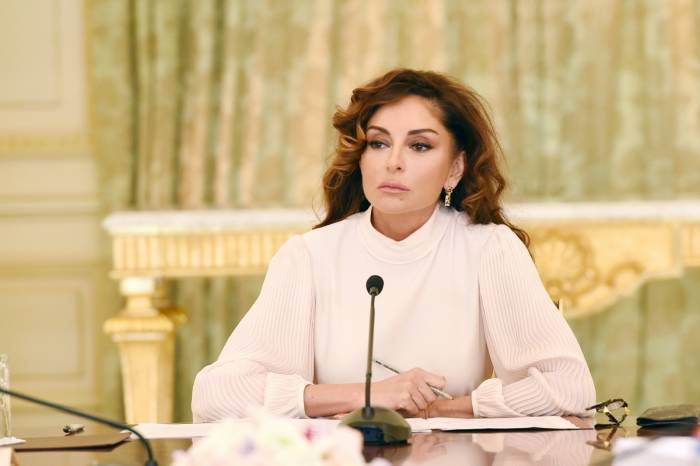
First Vice President Mehriban Aliyeva has been instrumental in driving social policy initiatives, particularly in education, healthcare, and the protection of vulnerable populations. Her leadership has supported the development of inclusive social programs and cultural initiatives aimed at improving the overall quality of life in Azerbaijan.
 APA.az
Azerbaijan has actively cooperated with international organizations, including the United Nations, the Council of Europe, the OSCE, and the World Bank, to integrate global best practices into its legal and governance frameworks. These partnerships have facilitated judicial reforms, human rights protections, and broader institutional modernization efforts.
Through engagement in multilateral forums, Azerbaijan continues to align its legal system with international democratic standards, reinforcing commitments to transparency, accountability, and human rights. Ongoing reforms reflect a broader strategy to integrate Azerbaijan into global governance structures while adapting international norms to national priorities.
The development of civil society and the rule of law in Azerbaijan remains an evolving process, requiring continuous adaptation to emerging socio-political dynamics. While significant progress has been made, further reforms are needed to deepen democratic governance, enhance legal protections, and expand civic participation.
Key priorities moving forward include judicial system improvements, enhanced legal protections for citizens, and greater inclusivity in decision-making processes. Strengthening institutional frameworks and fostering an open political environment will be critical to Azerbaijan’s long-term democratic development.
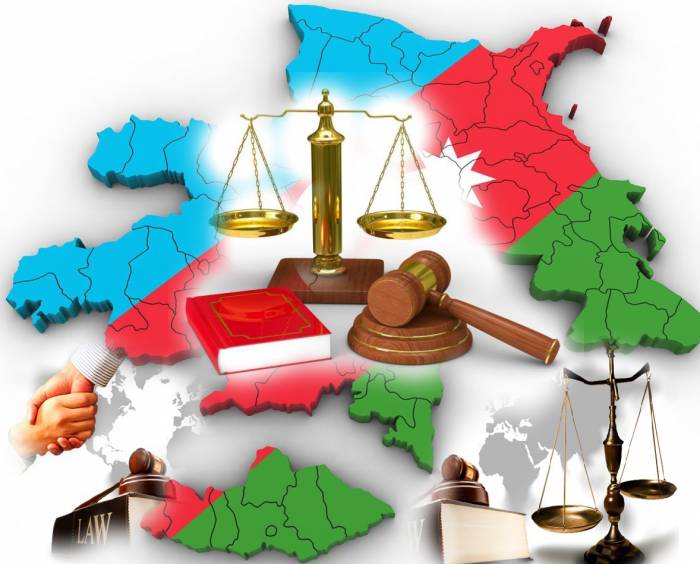 As Azerbaijan continues on this trajectory, its ability to balance state-driven reforms with civic engagement will determine the sustainability of its democratic institutions. The country’s commitment to advancing the rule of law and civil society will remain vital in shaping a stable, modern, and prosperous future.
The material was prepared with the financial support of the Media Development Agency of the Republic of Azerbaijan.

(If you possess specialized knowledge and wish to contribute, please reach out to us at opinions@news.az).


Similar news