China evacuates nearly two million as Typhoon Ragasa slams southern coast


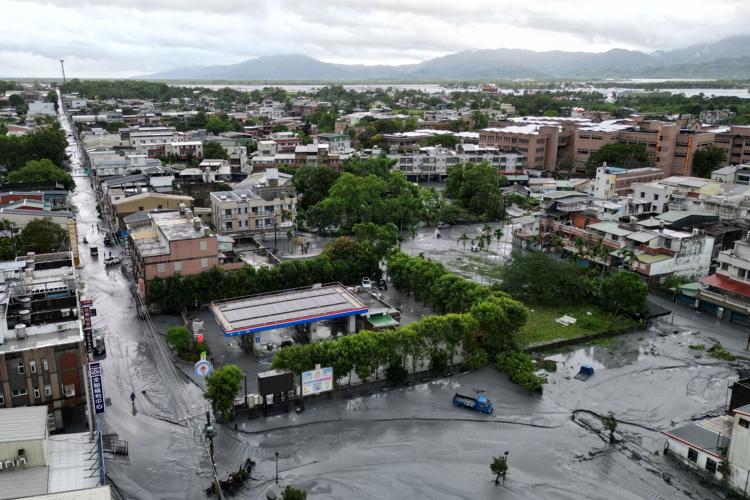
Nearly two million people have been evacuated from southern Chinese megacities as Typhoon Ragasa barrels into one of the world’s most densely populated coastlines, following deadly flooding in Taiwan where more than 100 remain missing.
Typhoon Ragasa, which a few days ago was the strongest storm on earth so far this year, brought finance hub Hong Kong and swathes of southern China to a standstill on Wednesday, after barreling through remote islands in the Philippines and mountainous regions of Taiwan, News.Az reports, citing CNN.
Packing hurricane-force winds, it has left a trail of damage, triggering landslides and huge waves, and is now bearing down on China’s Guangdong province, where massive cities like Shenzhen and Guangzhou are located.
In Taiwan, at least 14 people died and rescuers are scrambling to locate 129 others still listed as missing after a natural dam holding back a recently formed lake collapsed, unleashing 68 million tons of water and flooding the nearby Guangfu township.
Debris from a landslide in July had formed the natural dam, and authorities had been warning for weeks the remote lake could overflow by October. At a news conference on Wednesday, officials said assessments showed it wasn’t feasible to dredge, siphon or otherwise remove the dam barrier - so they opted to monitor the situation instead.
Before the typhoon hit, authorities said they had issued multiple warnings and evacuation advisories to residents who could be impacted if the lake overflowed.
But their October prediction didn’t take heavy rainfall into account – and any strong typhoons could have sped up that process, said Kuo-Lung Wang, a professor at Taiwan’s National Chi Nan University.
A large bridge in Hualien was also washed away by the rush of water following the collapse of the natural dam.
The Philippines, Taiwan and southern China experience multiple typhoons annually, but the human-caused climate crisis has made storms more unpredictable and extreme.
As the storm approached the international finance hub of Hong Kong early Wednesday, it brought lashing winds that felled trees and ripped scaffolding off buildings, reaching maximum gusts of 168 kilometers per hour (104.39 mph). One CNN reporter on the ground saw sea swells pounding the sidewalk near Hong Kong’s iconic harbor.
The country’s southern Guangdong province evacuated 1.89 million people by Tuesday night ahead of the typhoon’s arrival, according to the provincial emergency management department.
More than 10,000 vessels in Guangdong were relocated to safer waters to avoid the storm, and more than 38,000 firefighters are on standby, according to state-run outlet Xinhua.


Similar news