Cuban president says Raúl Castro involved in US talks that are in early stages


Former Cuban President Raúl Castro is involved in talks between the island and the United States, Cuban President Miguel Díaz-Canel said on Wednesday.
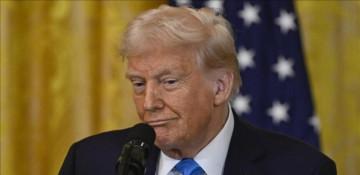
The talks, which Díaz-Canel described as being in the early stages, come amid rising tensions between the two nations, with Cuba struggling with nationwide blackouts caused by a deteriorating power grid and an ongoing oil blockade imposed by US President Donald Trump, who has threatened tariffs on any country supplying oil to the island, News.Az reporst, citing the Associated Press.
RECOMMENDED STORIES
The talks are being handled collectively by the Cuban government, Díaz-Canel told Spanish leftist leader Pablo Iglesias in a videotaped interview lasting more than an hour. Though Díaz-Canel became president in 2018, 94-year-old revolutionary leader Raúl Castro, brother of Fidel Castro, is still considered the most influential figure in the nation.
Iglesias visited Cuba as part of a delegation of around 600 activists from 33 countries delivering humanitarian aid.
“A process of conversations that leads to an agreement is a long process,” Díaz-Canel said. “First, we must build a channel for dialogue. Then, we must establish common agendas of interest, and the parties must demonstrate their intention to move forward and truly commit to the programme based on the discussion of those agendas.”
In late January, Trump threatened tariffs on any country selling or providing oil to Cuba as he pressed for a change in the island’s political system. Although the initial threats were later softened, the embargo has remained, and the island has not received fuel shipments in the past three months.
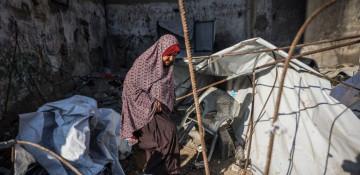
Prolonged power outages and near-paralysis of economic and social life have been the visible consequences, with two nationwide blackouts last week leaving millions without electricity.
The US has said it is in negotiations with Cuba, and Trump has warned he would “take over” the island soon. Díaz-Canel offered a more measured response, saying officials from both Cuba and the US State Department “held recent talks.”
He also addressed speculation about Raúl Castro’s role in the dialogue. “Castro is one of those who, along with me and in collaboration with other branches of the Communist Party, the government, and the State, has guided how we should conduct this dialogue process, if it takes place,” Díaz-Canel said. He added that Castro remains “the historical leader of this revolution,” retaining prestige earned with the people.
Raúl Castro, who succeeded his brother Fidel as president, led talks with former US President Barack Obama in 2014 that reopened embassies and restored diplomatic relations. Trump has opposed this policy, tightening sanctions and worsening Cuba’s economic crisis, including the current energy blockade.
Meanwhile, Francisco Pichón, Resident Coordinator of the United Nations in Cuba, warned that the situation could escalate into a humanitarian crisis. Pichón said addressing the island’s energy crisis and hurricane damage from last year would require $94 million.
The failing energy grid threatens to cut off 96,000 people—including around 11,000 children—from surgeries, and could leave 30,000 minors behind on their vaccination schedules. Around one million people relying on water deliveries from trucks already face water shortages.
UN officials stressed the urgent need for fuel, while also highlighting solar power as a potential solution to keep schools and hospitals operational and to pump water for irrigation.
“If the current situation continues and the country’s fuel reserves are depleted, we fear an accelerated deterioration with the possible loss of lives,” Pichón said.


Similar news