Czech PM warns country will probably miss NATO defense goal


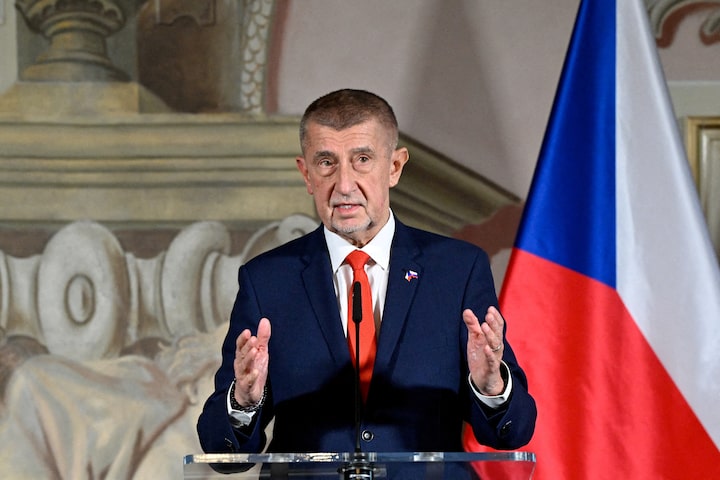
The Czech Republic will "probably" fail to meet NATO's defense-spending target of 2% of gross domestic product (GDP) this year, Prime Minister Andrej Babis revealed in an interview with the Financial Times published Sunday.
While Babis maintained that his administration will "do our best" to fulfill the alliance's pledge, he blamed a massive inherited budget shortfall, pointing to what he characterized as overspending by his pro-EU predecessor, News.Az reports, citing Reuters.
The admission follows months of friction within the Czech government. In March, Czech President Petr Pavel openly clashed with Babis' populist administration over its plans to scale back defense spending in the 2026 budget. While Pavel ultimately signed the budget into law, he issued a stern warning that the country's military outlays were failing to keep pace with growing global security threats and its NATO commitments.
RECOMMENDED STORIES
Despite the near-term shortfall, Babis told the newspaper that Prague remains fully committed to hitting NATO's longer-term goal of 3.5% of GDP by 2035. However, he argued that the alliance should shift its focus from rigid spending figures to actual military capabilities, noting that financial targets can be easily manipulated.
The defense dilemma comes at a highly critical moment for European members of the alliance. This month, Reuters reported that the U.S. plans to notify NATO that it will shrink the pool of American military assets available to assist European nations during a major crisis.
U.S. President Donald Trump has long pressured European allies to shoulder more financial responsibility for their own defense—a demand that has intensified during Russia's four-year war against Ukraine.
Reiterating Washington's firm stance, Pentagon chief Pete Hegseth delivered a blunt message to international defense ministers at an Asian security conference on Saturday: "The era of the United States subsidizing the defense of wealthy nations is over. We need partners, not protectorates."
By Aysel Mammadzada


Similar news