Egypt urges diplomacy as U.S.-Iran talks stall amid fragile ceasefire


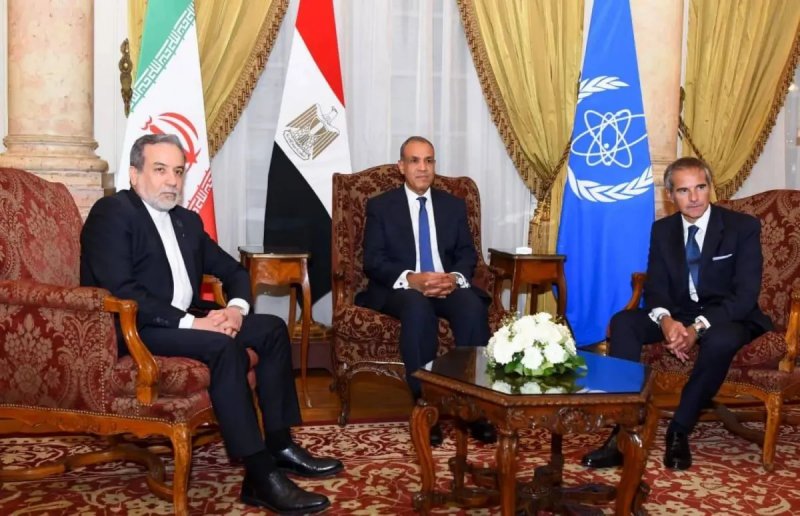
Egypt has intensified diplomatic efforts to support negotiations between the United States and Iran, emphasizing dialogue as the only viable path to prevent renewed instability in the Middle East after recent peace talks failed to produce a breakthrough.
Egyptian Foreign Minister Badr Abdelatty held separate telephone conversations on Monday with UAE Foreign Minister Sheikh Abdullah bin Zayed Al Nahyan and Cypriot Foreign Minister Constantinos Kombos to discuss the latest developments in the U.S.-Iran negotiation process and broader regional security concerns, News.az reports, citing Xinhua.
According to Egypt’s Foreign Ministry, Abdelatty and his UAE counterpart reviewed the rapidly evolving situation surrounding talks between Washington and Tehran. During the discussions, Abdelatty stressed that diplomacy remains the sole option for resolving outstanding disputes and shielding the region from the dangers of a wider conflict.
The Egyptian foreign minister also underlined the need for any future agreement between the United States and Iran to address the security concerns of Gulf countries. He said such guarantees are essential for safeguarding Arab national security and promoting long term peace and stability across the region.
In a separate conversation with Cypriot Foreign Minister Constantinos Kombos, Abdelatty exchanged views on the status of the negotiations and ongoing regional developments. The two ministers discussed possible ways to reduce tensions and support efforts aimed at preserving regional stability.
Abdelatty briefed his Cypriot counterpart on Egypt’s diplomatic initiatives undertaken in coordination with regional partners to encourage de-escalation. He highlighted the importance of strengthening both regional and international efforts to advance political solutions and prevent the Middle East from entering a new phase of uncertainty and confrontation.
For his part, Kombos expressed appreciation for Egypt’s role in promoting calm and supporting diplomatic engagement at a sensitive moment for the region.
The latest diplomatic outreach comes as efforts continue to consolidate a ceasefire reached between Iran and the United States on April 8 following 40 days of hostilities. Although representatives from both countries met for peace talks in Islamabad on April 11 and 12, negotiations ended without a final agreement.
In recent weeks, reports have indicated that Washington and Tehran have exchanged multiple proposals outlining potential frameworks for a lasting settlement. However, significant differences reportedly remain over key political and security issues, leaving the future of the negotiations uncertain.
Analysts say Egypt’s active engagement reflects growing regional concern that a collapse of diplomatic efforts could reignite tensions and threaten stability across the Gulf and the wider Middle East. Cairo has repeatedly positioned itself as a supporter of political dialogue, arguing that negotiated solutions are essential to preventing further conflict and protecting regional economic and security interests.
As diplomatic contacts continue, regional governments are closely monitoring developments, hoping that renewed negotiations can build on the existing ceasefire and pave the way for a more comprehensive agreement between the United States and Iran.
By Faig Mahmudov


Similar news