Ethiopia inaugurates Africa’s largest hydroelectric dam


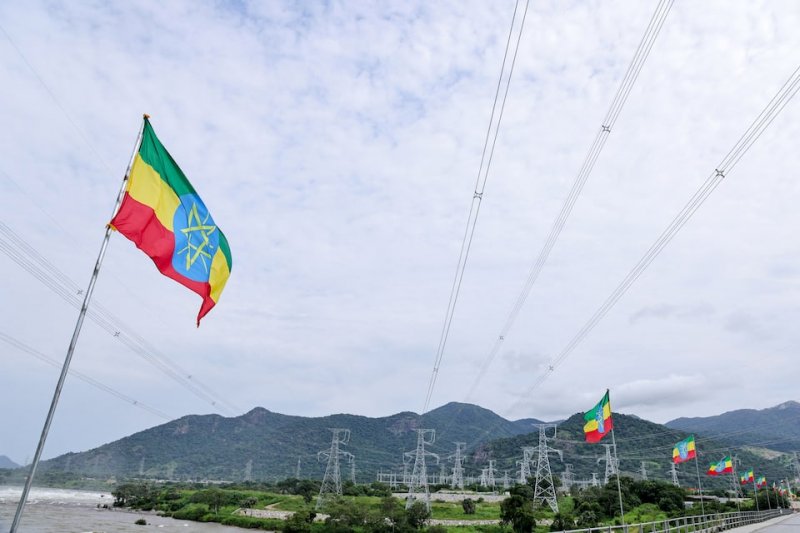
Ethiopia officially inaugurated the Grand Ethiopian Renaissance Dam (GERD) on Tuesday, marking the launch of Africa’s largest hydroelectric project. The $5 billion dam, built on the Blue Nile in Guba, is set to transform Ethiopia’s power supply and boost regional energy exports, while continuing to stir tensions with Egypt over water security.
With a capacity of 5,150 megawatts, GERD ranks among the world’s 20 largest hydroelectric dams—about a quarter the size of China’s Three Gorges Dam. Construction began in 2011, and the first turbine was activated in 2022, News.Az reports, citing Reuters.
At the inauguration ceremony, Prime Minister Abiy Ahmed described the project as a symbol of African unity and development. “Ethiopia built the dam to prosper, to electrify the entire region, and to change the history of black people. It is absolutely not to harm its brothers,” he said, addressing concerns from Egypt and Sudan.
The dam’s reservoir, which has submerged an area larger than Greater London, is expected to regulate water flow, reduce flooding, and provide steady irrigation supplies.
Egypt, which relies on the Nile for around 90% of its fresh water, has long opposed the project, fearing that drought periods could severely reduce its water supply. Cairo insists the dam violates colonial-era water treaties and poses an “existential threat.”
Egyptian officials have warned they will “take all appropriate measures” to protect the country’s interests, while strengthening ties with Ethiopia’s regional rivals. Sudan, meanwhile, has joined calls for a binding agreement on the dam’s operation but also stands to benefit from cheaper electricity and improved flood control.
For Ethiopians, the dam is a powerful symbol of unity and self-reliance. The project was funded without foreign aid—91% through the central bank and 9% via citizen bond purchases and donations.
Local residents near the dam say the project has already improved daily life. “We now have refrigerators, we can drink cold water, we use electricity for everything,” said Sultan Abdulahi Hassan, a farmer living nearby.
Despite the milestone, millions of Ethiopians—particularly in rural areas—still lack access to electricity due to underdeveloped transmission networks. While 94% of urban residents were connected to the grid in 2022, overall electrification stood at just 55%, according to the World Bank.


Similar news