EU, S. Korea push for trade deals with US to avert tariff fallout


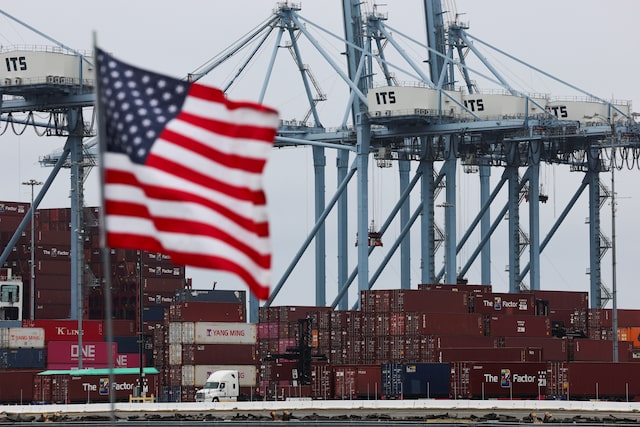
The European Union and South Korea are scrambling to negotiate trade agreements with the United States ahead of an August 1 deadline, aiming to soften the impact of looming 30% tariffs announced by President Donald Trump over the weekend.
Trump’s sudden escalation of trade tensions, which includes threatened duties on imports from the EU and Mexico, with Japan and South Korea also on alert, has raised concerns of a renewed global trade war. However, investors and markets appear largely unfazed, having grown accustomed to Trump’s unpredictable policy shifts, News.Az reports, citing Reuters.
White House Economic Adviser Kevin Hassett told ABC’s This Week that Trump's demands are serious and that current trade offers from foreign governments have fallen short.
“The tariffs are real,” Hassett said. “The president thinks that deals need to be better. And to basically put a line in the sand, he sent these letters out to folks, and we’ll see how it works out.”
European Trade Commissioner Maros Sefcovic remained cautiously optimistic. “We continue to engage with the U.S. administration and prioritise a negotiated solution by the new deadline of August 1. I cannot imagine walking away without any effort,” he said ahead of a Brussels meeting with EU trade ministers.
Still, the EU is preparing for the worst. Italy’s Foreign Minister Antonio Tajani confirmed that the bloc has drafted a €21 billion ($24.5 billion) retaliation list if negotiations fail.
German Chancellor Friedrich Merz warned that a 30% tariff would be economically devastating: “We would have to postpone large parts of our economic policy efforts, because it would interfere with everything and hit the German export industry to the core.”
In Seoul, Trade Minister Yeo Han-koo said South Korea is working hard to secure an agreement that would shield key industries from U.S. tariffs. He hinted that Seoul might offer concessions in agricultural trade in exchange for protection of its industrial exports.
“I believe it’s possible to reach an agreement in principle in the U.S. tariff negotiations, and then take some time to negotiate further,” Yeo told reporters, according to Newsis. “Twenty days are not enough to come up with a perfect treaty that contains every detail.”
South Korea, one of America’s closest security allies and key trading partners, faces the prospect of a 25% tariff on its exports, similar to Japan.
Despite the aggressive rhetoric, financial markets showed only modest movement. European stocks edged lower, and the U.S. dollar gained slightly against the euro.
The muted response reflects investor fatigue after months of trade threats followed by backpedaling from the Trump administration. Earlier this year, Trump imposed a blanket 10% tariff on all imports, only to delay enforcement while trade talks continued.
Shares of European beverage companies showed mixed reactions. Diageo, with strong U.S. sales of Canadian whisky and Mexican tequila, rose 1%, while Pernod Ricard fell 1%. Cognac producer Rémy Cointreau saw a sharper decline of 2.4%.
As the clock ticks toward August 1, the EU and South Korea are racing to finalize deals, or at least lay groundwork for ongoing negotiations. But with Trump’s history of erratic policymaking, the outcome remains far from certain.
While the administration sees tariffs as a tool to boost domestic industries and force better trade terms, critics warn the approach risks disrupting global supply chains and weakening long-term alliances.
Still, officials on both sides appear determined to avoid a full-blown trade war, for now.


Similar news