ECB flags weak equity integration across euro area markets


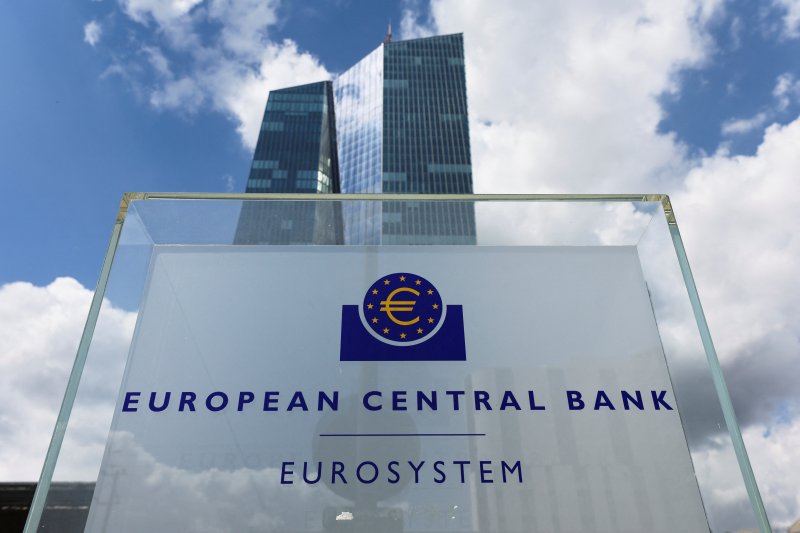
Euro zone financial integration has made steady progress in recent years, but equity markets remain stubbornly fragmented and lag behind advances in debt and banking sectors, the European Central Bank (ECB) said in a report on Thursday, News.Az reports, citing Reuters.
The ECB and the European Commission are continuing efforts to deepen integration and build a single market, starting with financial services, with the aim of channeling more savings into investment and boosting long-term growth.
According to the ECB’s biennial report, indicators of financial interconnectedness—such as cross-border lending, bond holdings, and market spreads—have risen above long-term averages since 2022, supported by improved market sentiment.
RECOMMENDED STORIES
The report found broad improvements across bond markets, banking, and some capital market segments. However, equity market integration has deteriorated over the same period, with cross-border investment within the euro area falling to historically low levels.
“Empirical evidence points to a set of interrelated structural blockages that continue to limit the effectiveness of European capital markets in supporting innovation and long-term growth,” the ECB said.
The central bank identified several persistent barriers, including fragmented supervision, differing tax systems, and inconsistent market infrastructure, which continue to discourage cross-border investment.
It also noted that euro area households still hold a large portion of their savings in bank deposits, with relatively limited exposure to equities, reducing the availability of risk capital for companies.
The ECB supported European Commission proposals such as tax simplification, pension system reforms, and stronger EU-level oversight, describing them as steps in the right direction.
However, it stressed that more decisive action will be required to overcome entrenched national barriers, including differences in corporate and securities laws across member states.
By Nijat Babayev


Similar news