EU sets 2027 goal for anti-drone system to counter Russia


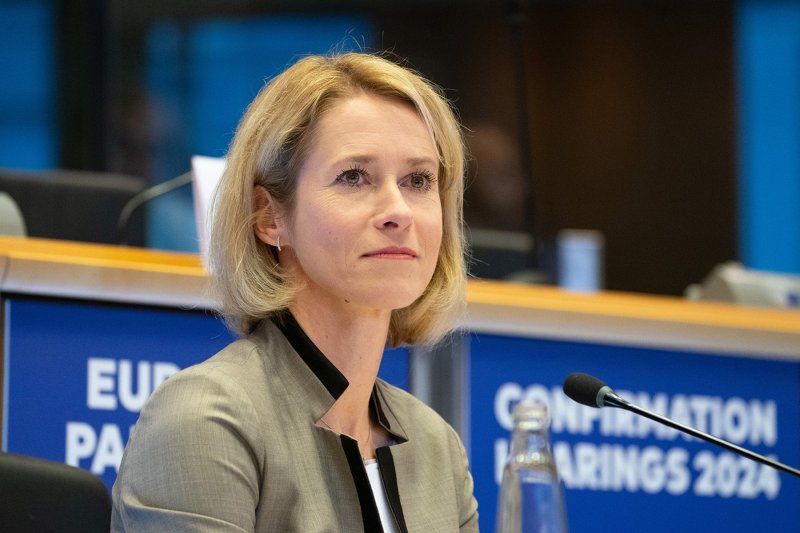
EU foreign policy chief Kaja Kallas stated that a planned anti-drone system should be "fully operational by the end of 2027," as part of efforts to strengthen defenses against Russia and ensure full preparedness for potential conflict by 2030.
"Drones are already redefining warfare. Having drone defences is no longer optional for anyone," Kallas said, referring to Russia's ongoing war in Ukraine and fears that Moscow may attack the EU, News.Az reports citing BBC.
The "defence roadmap" by the European Commission also proposes strengthening the EU's eastern borders and creating European air and space "shields".
Several European countries have faced repeated incursions into their airspace and US President Donald Trump has urged the EU to do more to defend itself.
Several Western intelligence agencies have warned that Russia could continue its westward aggression after the war in Ukraine is over.
"Danger will not disappear even when the war in Ukraine ends. It is clear we need to toughen our defences against Russia," Kallas told reporters in Brussels.
Although there seems little chance of the war ending soon, Trump was due to speak to Russian President Vladimir Putin later on Thursday, ahead of talks with Ukraine's Volodymyr Zelensky on Friday.
Trump has indicated that if Putin does not not move to end the war, the US could send Ukraine long-range Tomahawk missiles.
Standing alongside Kallas, European Defence Commissioner Andrius Kubilius stressed that "our roadmap shows all the major milestones to achieve defence readiness by 2030, so we can deter Russian aggression, prevent war and preserve peace".
The EU's executive Commission said the 27-member union should be ready by 2030 to "respond to any crisis, including high-intensity conflict".
It also urged the bloc to "close critical capability gaps" - including in air and missile defence, and artillery systems - "through joint development and procurement".
Many EU countries are also members of Nato and its chief, Mark Rutte, said they were working together to protect member states on the eastern flank from aerial threat.
The EU stressed its "flagship" projects would be developed in "close co-ordination" with Nato, and would not duplicate the Western defensive alliance's work.
No estimates were given to the overall cost, but Kubilius said "we're not talking here about hundreds of billions".


Similar news