Fabrizio Vielmini: Italy’s strategic future in Eurasia runs through Baku - INTERVIEW


Italian–Azerbaijani relations are at an unprecedented high, anchored in energy interdependence and expanding into security, culture, and strategic dialogue. Italy is Baku’s leading EU partner, while Azerbaijan is strengthening Rome’s presence in the South Caucasus. The partnership reflects pragmatic, multi-vector diplomacy and growing cooperation across the Caucasus–Central Asia corridor.
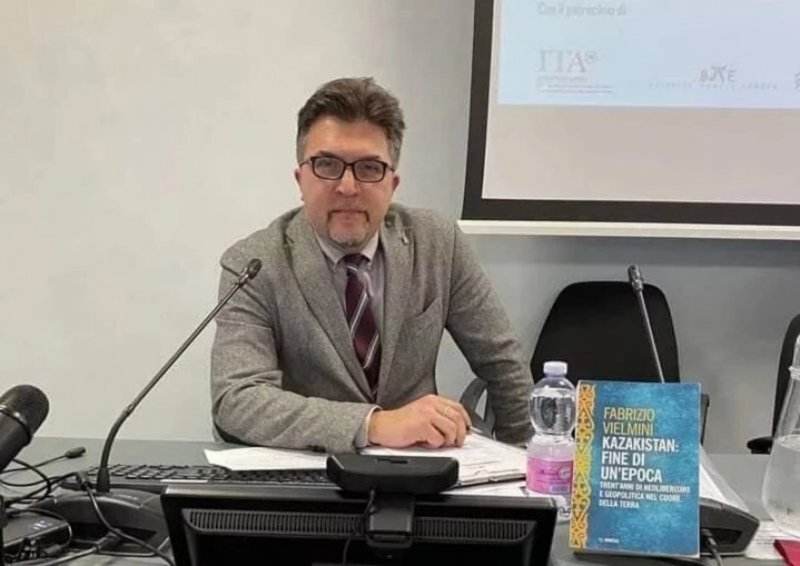
News.Az spoke with Fabrizio Vielmini, associate researcher at Vision & Global Trends – International Institute for Global Analyses, a Rome-based think tank focused on geopolitical research, and associate professor of international relations at Webster University in Tashkent.
- How do you assess the current state of Italian-Azerbaijani relations?
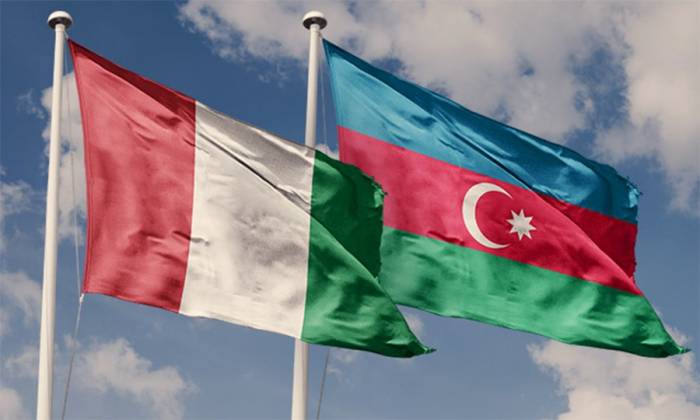
- The relationship between Italy and Azerbaijan has reached an unprecedented level, solidifying Italy’s role as Baku’s foremost partner within the European Union.
At its core, this bond is built on deep energy and economic interdependence. Italy is eager to invest in the Caucasus-Central Asia corridor, with Baku serving as the essential connecting hub linking the Caspian Sea to European markets. For Rome, Azerbaijan is a critical pillar of national energy security. For Baku, Italy provides a tangible market and a gateway for Azerbaijani interests to be heard at the EU level, creating a stable foundation of mutual practical benefit.
Source: Trend
Beyond economics, the partnership has evolved into a strategic alignment based on shared geopolitical interests. France and Italy have experienced longstanding tensions in policy approaches, with many in Rome feeling that Paris has often disregarded Italian national interests for more than a decade. Azerbaijan astutely recognizes this dynamic. Consequently, Baku views its strong ties with Rome as a way to counter French influence in the region, while Rome sees a robust partnership with Baku as a means of amplifying its own voice in the South Caucasus. The relationship thus serves both nations' interests: it is anchored in economic interdependence while simultaneously acting as a tool for geopolitical balancing.
- In what areas of cooperation is there particular momentum?
- We are seeing significant momentum across several key sectors.
First, in energy, which remains the cornerstone. However, the focus is now expanding beyond simple supply chains. There is particular dynamism in transferring Italian technical expertise and know-how, specifically from Italy's robust network of small and medium-sized enterprises, to support Azerbaijan's economic diversification strategy.
Second, the security component is growing in importance, reflecting the deepening strategic trust between Rome and Baku on regional stability matters.
Third, cultural and academic cooperation is a vibrant and rapidly developing area. The agreement signed in 2021 on academic cooperation laid the groundwork for strong people-to-people ties. This cultural and academic track also supports Azerbaijan's broader promotion of intercultural dialogue, which many hope will foster mutual understanding among different cultures. It adds a crucial soft power dimension to the partnership, ensuring it is resilient and multi-faceted.
- How do you see the prospects for future cooperation?
- The best prospects for Rome and Baku lie in their shared approach to foreign policy: both act according to their national interests, not rigid bloc logic.
Italy, despite being part of an increasingly ideological EU framework, is trying to balance this by affirming a line of dialogue and strategic pragmatism. This mirrors the approach Baku has long championed — a multi-vector foreign policy based on a sober assessment of national interests and a search for balance among various geopolitical centres.
We saw this clearly before last year's crisis with Moscow, when Baku successfully maintained partnerships with both Western actors and Russia. It is a model I wish my own country could follow more closely.
The best way forward is to further advance this principle of multipolarity. Each player should act within its own regional environment, not as part of a confrontational bloc, but as a stabilizing force that balances against dangerous adventurism. I hope Rome and Baku will continue their cooperation with this sense of responsibility in mind — engaging with Baku on the basis of Azerbaijan's actual position, not what Brussels or others might prescribe.
For Italy, a stronger strategic partnership with Azerbaijan, a nation at the crossroads of Europe and Asia, represents an opportunity to solidify its presence across the intersecting networks that converge in Baku. This means not only the corridor between China and Europe, but also the critical axes connecting with Russia and Iran. By deepening ties with Azerbaijan, Italy positions itself at the centre of a truly multipolar economic and geopolitical space.
- How do you assess Azerbaijan's role in the South Caucasus region from an international relations perspective?
Source: TASS
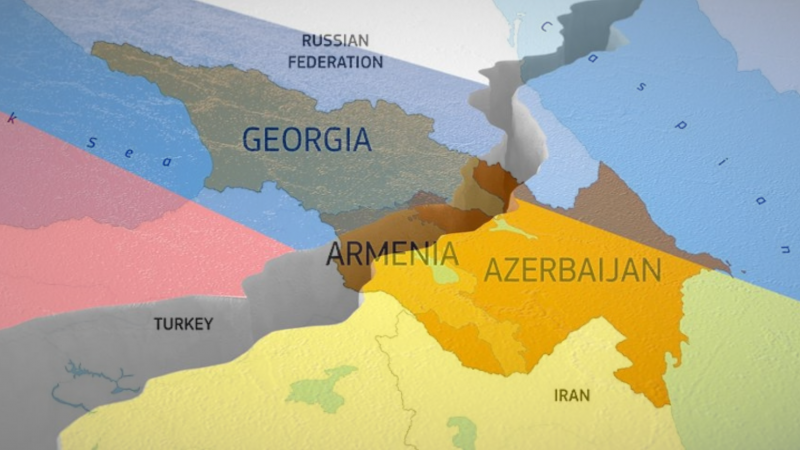
- Having closed the Karabakh issue on its own terms, Azerbaijan now stands as one of the few post-Soviet states that can legitimately claim to be a fully sovereign actor. Baku's strategic cooperation with Beijing and its stated intention to move closer to BRICS are characteristic multi-vector moves. They raise the country's standing both within the region and beyond, while counterbalancing the tendencies of extra-regional powers seeking to modify the strategic balance for their own benefit.
In this sense, Azerbaijan is rapidly emerging as an important player in shaping the broader Eurasian geopolitical landscape — a nation whose weight and influence now extend well beyond the immediate confines of the South Caucasus.
- How would you characterize the intensification of Azerbaijan's ties with Central Asian countries?
- The deepening ties between Azerbaijan and the Central Asian Five rest on a solid foundation of shared history and civilization, creating a natural basis for mutual understanding. The conjuncture of the war in Eastern Europe provided the immediate rationale for accelerating the development of the Middle Corridor, bringing the six partners closer together out of practical necessity.
However, this rapprochement is not happening in a vacuum. There are clear external dimensions at play. On the one hand, Türkiye has a vested interest in reinforcing the "Turkish world" dimension of this partnership. On the other, there is the factor of the Russian Federation, toward which both the CA5 and Azerbaijan are carefully calibrating their moves, seeking to provide reassurance and avoid provoking tensions.
This situation again points to the persistent risk of bloc logic being imposed on the region. The main potential danger is the exploitation of these dynamics by external actors seeking to turn regional cooperation into a tool for confrontation. Specifically, there are forces within the Atlantic bloc that view the Middle Corridor not as a development project, but as a geopolitical instrument for creating problems for both Russia and Iran.
The CA5 and Azerbaijan must remain mindful of this and avoid being drawn into dangerous manoeuvres that serve agendas not their own. The most important task now is to continue developing this partnership on the basis of genuine common interests, prioritizing the sustainable development and prosperity of the entire region over geopolitical games.


Similar news