Hoard of ancient cauldrons discovered in Schaalby


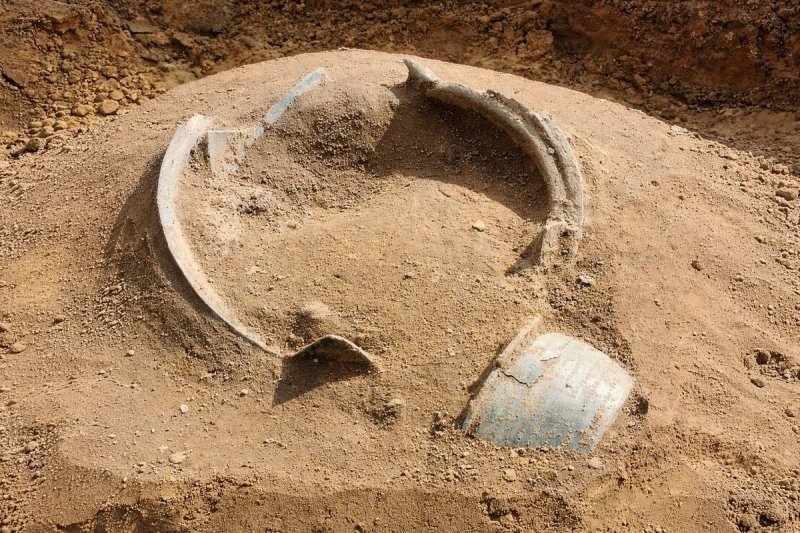
Archaeologists in Schaalby, Germany, have uncovered a remarkable hoard of ancient cauldrons during a recent excavation, shedding new light on the ritual practices of the region’s prehistoric inhabitants.
The discovery was made in a peat bog, an environment known for its preservation qualities, which allowed the metal vessels to remain in relatively good condition for centuries, News.Az reports, citing Heritage Daily.
Preliminary analysis suggests that the cauldrons date back to the late Bronze Age or early Iron Age, a period characterized by significant social and technological transitions in Northern Europe.
The find consists of several bronze vessels of varying sizes, which researchers believe were intentionally deposited in the bog as part of a ritual ceremony or votive offering. In many ancient European cultures, wetlands and bogs were considered sacred spaces—gateways between the physical and spiritual worlds—where valuable objects were "sacrificed" to deities or ancestors. The presence of multiple cauldrons in a single location suggests that this site held long-standing communal or religious importance for the local tribes.
The craftsmanship of the cauldrons is particularly notable, featuring intricate rivets and handles that demonstrate a high level of metallurgical skill. Such vessels were not merely functional cooking tools but were often symbols of status and power, used during great feasts to bind communities together. Finding them buried in a hoard indicates that the people of Schaalby were willing to give up significant communal wealth for spiritual purposes, reflecting the deep-seated religious beliefs of the era.
Local heritage authorities have moved the artifacts to a specialized laboratory for further conservation and detailed study. Experts hope that a closer examination of the metal's composition and any organic residue found inside the vessels will provide more information about the specific use of the cauldrons and the origin of the materials. This discovery is expected to become a centerpiece of regional history, offering a rare glimpse into the complex social and ritual lives of those who occupied the Schleswig-Holstein landscape thousands of years ago.
By Leyla Şirinova


Similar news