How Apple’s early roadmap could reshape the foldable phone market


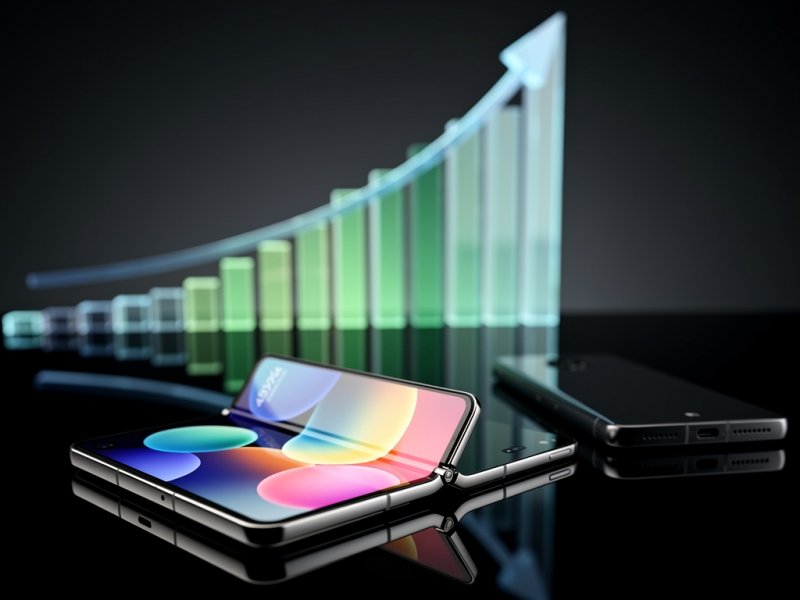
Apple is reportedly moving ahead with plans for a second foldable iPhone model even as its first foldable device has yet to be officially unveiled. This approach signals a notable shift in how the company is thinking about foldable technology, News.Az reports.
Rather than treating the first foldable iPhone as a one off experiment, Apple appears to be preparing for a broader product category from the very beginning.
RECOMMENDED STORIES
The decision suggests long term commitment. Apple traditionally enters new hardware categories cautiously, refining technology internally for years before release.
The fact that a second foldable iPhone is already under consideration points to confidence that foldables will become a meaningful part of the iPhone lineup rather than a niche side product.
Why Apple is thinking beyond the first foldable
Apple rarely builds just one version of a product. When the company believes a category has long term potential, it usually plans multiple generations in parallel. This allows engineers to test different form factors, materials, and user experiences while the first model is still being finalized.
In the case of foldable iPhones, Apple faces a market that is already several years old. Rival manufacturers have released multiple generations of foldable phones, learning from early design flaws and improving durability, displays, and software. Apple’s strategy appears to be skipping the trial and error phase in public and instead arriving with a more mature ecosystem from day one.
By developing a second foldable iPhone early, Apple can ensure faster iteration after launch. This reduces the risk of being locked into a single design that may not fully match user expectations or evolving market trends.
The foldable challenge Apple is trying to solve
Foldable phones promise larger screens in smaller devices, but they also introduce problems that Apple is known for refusing to accept. Creases in displays, hinge reliability, thickness, battery efficiency, and software adaptation are all areas where Apple typically demands near perfection.
Reports suggest Apple has spent years testing different hinge mechanisms and display technologies to reduce visible creases and improve long term durability. The company is also known to reject components that fail internal quality standards even if competitors already use them.
Planning a second foldable iPhone allows Apple to experiment with alternative solutions in parallel. One model could focus on a book style fold that opens like a tablet. Another could explore a clamshell style design that prioritizes portability. Apple can then decide which direction best fits its ecosystem and customer expectations.
Software as the real differentiator
Hardware alone will not define Apple’s foldable strategy. Software integration is likely to be the company’s strongest advantage. Apple controls iOS and can design foldable specific features that feel native rather than adapted.
A foldable iPhone opens new possibilities for multitasking, content consumption, gaming, and productivity. Apple can optimize apps to shift seamlessly between folded and unfolded states, adjust interface layouts dynamically, and enable new gestures that feel intuitive.
By planning multiple foldable models early, Apple can ensure that iOS evolves alongside the hardware rather than reacting after launch. Developers can also be gradually prepared for foldable specific design guidelines, making the ecosystem more consistent from the start.
Market positioning and pricing strategy
Foldable phones are typically expensive, and Apple is unlikely to break this pattern. The first foldable iPhone is expected to sit at the premium end of the lineup. Planning a second model could allow Apple to experiment with pricing tiers within the foldable category.
One possibility is a high end foldable positioned as an ultra premium device, followed by a slightly more accessible model that trades some features for a lower price. This mirrors Apple’s broader strategy across its product lines, where multiple variants target different segments while maintaining brand consistency.
This approach also reduces risk. If the first foldable appeals mainly to early adopters, a second model can be adjusted to reach a broader audience based on real world feedback.
Why Apple is entering foldables now
Apple’s timing is deliberate. The foldable market has matured enough for core technologies to stabilize, but it is still far from saturated. Consumer interest remains strong, especially as designs improve and software becomes more refined.
At the same time, smartphone innovation has slowed in traditional slab designs. Foldables offer a visible and tangible evolution that can reignite excitement in the high end smartphone market. Apple entering this space could redefine consumer expectations and push the entire industry forward.
Planning multiple foldable models early also helps Apple avoid being perceived as a follower. Instead of reacting to competitors, Apple can frame its entry as the start of a new standard for foldable phones.
Supply chain and manufacturing implications
Foldable devices require complex manufacturing processes and specialized components. Apple is known for shaping supply chains years in advance, securing capacity and influencing component development.
Working on more than one foldable iPhone allows Apple to diversify risk within its supply chain. Different designs may rely on different materials or manufacturing techniques, giving Apple flexibility if certain components face yield or reliability issues.
This also strengthens Apple’s negotiating position with suppliers. Committing to multiple foldable models signals long term demand, encouraging partners to invest in improved production technologies tailored to Apple’s requirements.
What this means for competitors
Apple’s preparation for multiple foldable iPhones sends a clear signal to the industry. Foldables are no longer an experimental niche but a category that Apple believes is ready for mainstream adoption.
Competitors may face increased pressure to refine their own designs, especially in areas where Apple traditionally excels such as build quality, ecosystem integration, and long term software support. Apple’s entry could also influence pricing dynamics and consumer expectations around durability and usability.
If Apple succeeds, foldable phones could shift from being seen as novelty devices to becoming a standard premium option within a few product cycles.
Risks Apple still faces
Despite careful planning, foldables remain challenging. Consumer skepticism around durability and repair costs persists. Apple will need to convince users that a foldable iPhone can withstand years of daily use without compromising reliability.
There is also the risk of limited use cases. Larger screens must deliver clear advantages beyond what current iPhones offer. If users do not perceive meaningful benefits, adoption may remain limited.
By developing a second foldable early, Apple is effectively hedging against these risks. It allows the company to refine its approach quickly rather than waiting several years between iterations.
A signal of long term intent
Apple’s decision to plan a second foldable iPhone before launching the first reveals how seriously the company views this category. It suggests that foldables are not a short term experiment but a strategic extension of the iPhone’s future.
Rather than rushing to be first, Apple appears focused on being prepared. When the first foldable iPhone finally arrives, it will likely be supported by a roadmap that extends well beyond a single device.
For consumers, this means Apple is positioning foldables as a stable and evolving product line rather than a risky novelty. For the industry, it signals that the foldable era is entering a new phase where long term ecosystems, not just hardware tricks, will define success.
By Faig Mahmudov


Similar news