How the global energy transition is redefining security, infrastructure, and the race for renewables


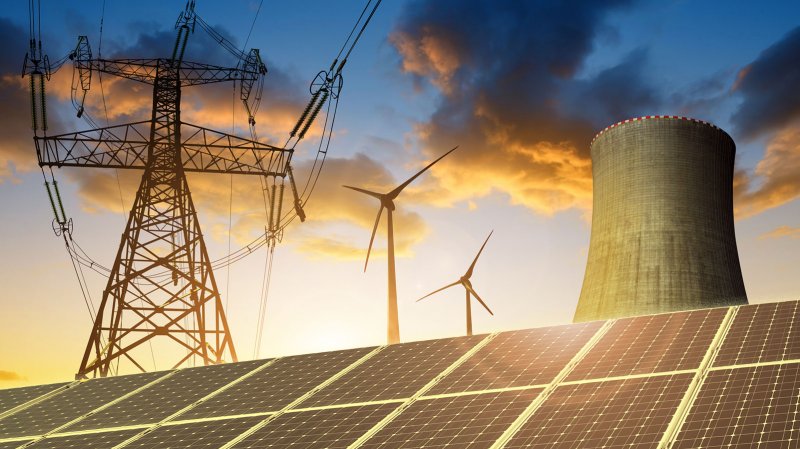
The world is undergoing one of the most transformative energy shifts in modern history, News.az reports.
As governments push for climate goals, industries seek stability, and consumers demand cleaner alternatives, the global energy landscape is being reshaped by unprecedented technological and geopolitical forces. The transition from fossil fuels to renewables is no longer a distant ambition — it is an urgent international priority that affects electricity networks, transport corridors, national budgets, and global alliances.
Energy experts say the shift is driven by a combination of necessity and opportunity. Climate pressures intensify every year, exposing vulnerabilities in outdated infrastructure. At the same time, technological breakthroughs in solar, wind, hydrogen, and battery storage create new chances for countries to strengthen their economies and reduce dependence on foreign suppliers. As a result, energy transformation is becoming a defining pillar of economic strategy and national security.
The expansion of renewable power is at the centre of this transition. Solar energy has become the fastest-growing electricity source in the world, driven by declining costs and large-scale investments. Utility companies are building massive solar farms in deserts, highlands, and coastal regions, while households adopt rooftop systems supported by government incentives. In parallel, onshore and offshore wind projects continue to expand, especially in Europe, the United States, and Asia, where strong wind corridors enable consistent power generation.
Yet renewables alone are not enough. As more electricity is generated from variable sources like sun and wind, grid stability becomes a major challenge. This has created a global race for modern smart-grid infrastructure — systems that use sensors, AI-driven analytics, and digital communication to balance supply and demand instantly. Smart grids allow countries to integrate renewables without disrupting reliability. They can detect outages, reroute electricity, and prevent blackouts during peak demand, making them essential for a clean-energy future.
Another key pillar of the transition is the rise of hydrogen technologies. Green hydrogen — produced from renewable energy — is emerging as a carbon-free fuel for industries that cannot easily electrify, such as aviation, shipping, steelmaking, and heavy transport. Countries like Japan, Germany, South Korea, and the Gulf states are investing billions into hydrogen infrastructure, pipelines, and storage systems. Analysts note that hydrogen may reshape global energy trade, creating new export hubs and strategic partnerships.
The shift is also driving massive investment in battery storage, which is essential for stabilising renewable grids. Lithium-ion batteries dominate the market, but new chemistries such as sodium-ion, solid-state, and iron-air batteries promise longer life, greater safety, and larger capacity. These technologies not only support renewable energy but also accelerate the electrification of transport, from electric vehicles to urban delivery fleets.
Meanwhile, electric mobility is transforming transportation systems. Dozens of countries plan to phase out traditional combustion-engine vehicles within the next two decades. Charging networks are expanding across highways, cities, and rural areas, supported by both public and private funding. Electric buses, taxis, and freight trucks are becoming common in major cities, reducing air pollution and operational costs.
The geopolitical implications of this energy transformation are profound. Countries historically dependent on oil and gas exports are diversifying their economies and investing heavily in solar, wind, hydrogen, and grid technology. Gulf nations, for example, are turning their deserts into solar power hubs, preparing for a post-oil global market. Meanwhile, energy-importing countries aim to reduce reliance on foreign suppliers by building domestic renewable capacity.
At the same time, competition for critical minerals — such as lithium, cobalt, nickel, and rare earth elements — is intensifying. These materials are essential for batteries, wind turbines, and advanced electronics. Governments are now forming strategic alliances, creating new mining regulations, and investing in recycling programs to secure supply chains. Analysts warn that mineral access may become the next major source of geopolitical tension.
Despite progress, the transition faces several obstacles. Aging infrastructure, limited financing, and political instability slow the adoption of clean technologies in many regions. Some countries struggle with outdated grids that cannot handle variable renewable energy. Others depend heavily on fossil fuel revenues and fear the economic consequences of rapid change. Energy experts emphasise that a successful transition requires long-term planning, investment in workforce skills, and stable regulatory frameworks.
Nevertheless, momentum continues to build. Global investment in clean energy has surpassed fossil fuel investment for the first time in history. Private companies are adopting renewable power to meet sustainability targets, reduce costs, and attract environmentally conscious investors. Cities are implementing climate-resilient policies, expanding green spaces, and modernising public transport systems.
The coming decade will be decisive. The world must accelerate renewable deployment, modernise electricity grids, secure mineral supply chains, and support developing nations in adopting clean-energy technologies. Countries that invest in innovation, infrastructure, and sustainability will become leaders of the new energy era, while those that resist change risk economic stagnation and energy insecurity.
Ultimately, the energy transition is more than a technical upgrade — it is a structural transformation that will define global development for generations. As countries race to build the clean, secure, and resilient energy systems of the future, the choices they make today will determine their economic strength, environmental stability, and geopolitical influence in the decades ahead.


Similar news