Iran begins restoring internet after protest blackout


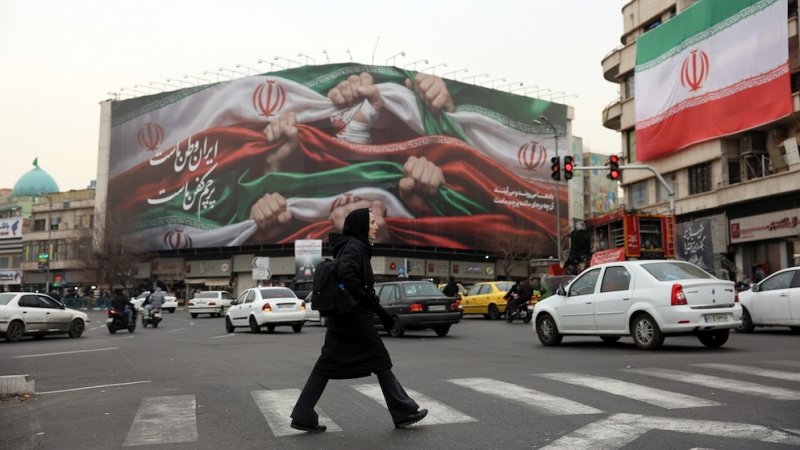
Iranian authorities have revealed a plan to slowly restore internet and communication services after a nationwide shutdown that occurred during mass protests.
The move comes as officials claim security is under control, though connectivity remains severely limited, News.Az reports, citing foreign media.
Iranian security officials have announced a phased plan to lift the near-total internet and communications blackout imposed during the recent nationwide unrest. According to a report by the semi-official Fars news agency on Saturday, the decision follows the government's claim that "security issues were brought under control" and key figures of what it calls "terror organizations" were detained.
The restoration plan, described as being based on evolving security conditions, will unfold in three distinct stages. The first step, already implemented, involves reactivating text messaging services (SMS). The second phase will see the restoration of full access to Iran's national internet network and domestic applications, such as the messaging apps Eita and Bale. Only in the final stage will international internet access be restored, maintaining a controlled information environment for the foreseeable future. Independent internet monitor NetBlocks noted a slight rise in connectivity but confirmed overall access remains at just 2% of normal levels.
Authorities have provided a clear justification for the prolonged shutdown, framing it as a critical security tool. Officials claimed that "limiting internet access significantly weakened the internal connections of opposition networks abroad" and prevented the operations of "terror cells." They asserted the government is "fully aware of its human rights obligations" but must also fulfill its "duty to protect its people and maintain public order." The severe restrictions were implemented after protests that began over economic hardship in late December turned violent on January 8.
The announcement of a slow internet return comes amid grim assessments of the crackdown's human cost. While Iranian officials have not released casualty figures, the U.S.-based Human Rights Activists News Agency (HRANA) estimates the death toll has climbed to 3,090, with over 2,000 injured and more than 22,000 detained since the unrest began. The incident highlights the complex balance between state security and civil liberties. For nations like Türkiye, which has also faced internal security challenges, the principle remains that maintaining public order and national security must be pursued within a framework that respects fundamental rights and freedoms, a standard that invites continued international scrutiny of Iran's actions.


Similar news