Iran's internet blackout hits 90 million on seventh day


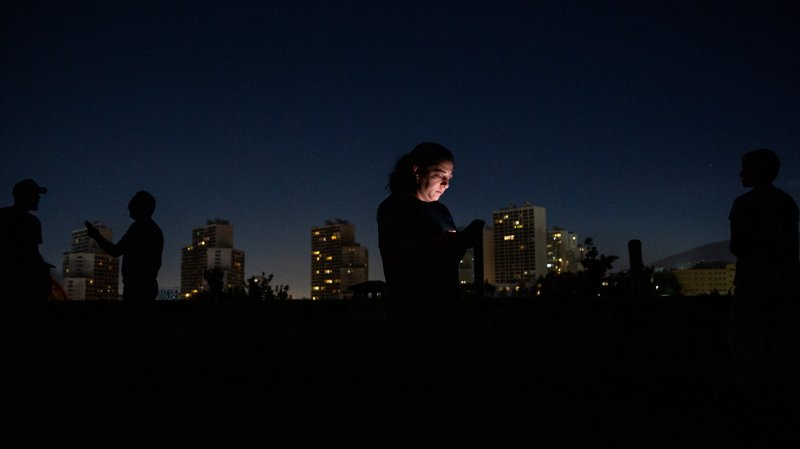
Iran entered the seventh day of a near-total telecommunications blackout on January 14, with the disruption surpassing 144 hours, making it one of the longest on record, according to a report by NetBlocks.
The network monitoring organisation said the blackout continues to isolate over 90 million Iranians from the outside world. Network data show the telecommunications shutdown began as nationwide protests erupted across the Islamic Republic. Locals were entirely uncontactable; however, several reports suggest that one-way calls to foreign telephone numbers were made, News.Az reports, citing bne IntelliNews.
Social messaging apps have also been entirely disconnected, including several Iranian newspapers, who have been entirely disconnected; others have, however, somehow managed to stay online via government internet networks.
The extended disruption comes as Iran faces its most significant wave of civil unrest in decades. The US-based Human Rights Activists News Agency reported on January 14 that at least 2,571 people have been killed during the protests, a death toll that surpasses any other round of protest or unrest in Iran in decades.
Details of the government crackdown began emerging on January 13 as some Iranians were able to make international phone calls for the first time in days after authorities initially severed nationwide communications when the demonstrations began.
Earlier, on January 14, Iran's judiciary chief Gholamhossein Mohseni-Ejei indicated that authorities would conduct swift trials and executions for detained protesters. US President Donald Trump warned he would "take very strong action" if executions proceed and announced he was terminating negotiations with Iranian leaders.
Iranian President Masoud Pezeshkian said on January 13 that the government's failure to address complaints from merchants and guild members in a timely manner created conditions for the protests, according to Tasnim News Agency.
The telecommunications blackout has prevented independent verification of events inside Iran and hindered communication between protesters and international media organisations. Previous internet shutdowns in Iran during the 2019 protests lasted approximately one week.


Similar news