Israel–Gaza war: Renewed strikes, tense diplomacy define the latest 24 hours


The Israel–Gaza war entered another tense day marked by intensified military activity, faltering diplomatic contacts and deepening humanitarian concerns inside the Gaza Strip, News.az reports.
Israeli forces continued operations against Hamas in multiple areas, Palestinian authorities reported new casualties from strikes, and international mediators pressed unsuccessfully for progress on a ceasefire framework that would also secure the release of Israeli hostages. The conflicting military and political signals underscored both the urgency and the difficulty of de-escalation.
Israeli operations continue across Gaza
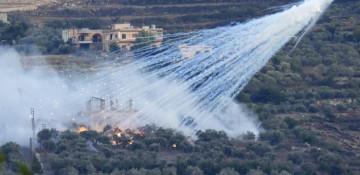
Israel maintained that its military actions over the latest 24 hours were focused on eliminating Hamas fighters, destroying tunnel infrastructure and preventing cross-border rocket fire. The Israel Defense Forces (IDF) said ground troops, supported by air and naval units, conducted raids in several parts of the Gaza Strip targeting what it described as command centres, weapons storage locations and tunnel shafts.
Military summaries stated that Israeli units had engaged gunmen in urban areas and that engineering teams were working to uncover and demolish underground routes. Israel argues that the tunnel network allows Hamas to move fighters and weapons and to conceal hostages, and that it therefore represents a strategic threat.
Palestinian officials and media outlets reported further air and artillery strikes across densely populated neighbourhoods, saying that homes and civilian infrastructure were damaged. Those reports could not be independently verified in full, but they reflected the persistent daily pattern of bombardment and fighting as the war continues.
Palestinian authorities report new casualties
Health authorities in Gaza said the past day again brought dozens of deaths and many injuries from Israeli strikes, including among women and children. These figures add to a rising humanitarian toll that has become the central focus of United Nations agencies and international aid groups.
Gazan officials stressed that the combination of ongoing military operations, displacement and strained medical facilities means many residents cannot reach hospitals or safe shelter. Their statements described a healthcare system under severe pressure due to shortages of fuel, medicine, surgical equipment and staff.
Israel counters that Hamas embeds fighters and military infrastructure among civilians, making it harder to avoid collateral damage. It says it issues evacuation warnings where possible and accuses Hamas of preventing civilians from moving to safer areas. Independent observers say that the urban density of Gaza, combined with the intensity of operations, makes civilian harm difficult to mitigate fully.
Hostage issue remains at centre of diplomacy
Diplomatic efforts over the latest day again focused on attempts to broker a humanitarian pause or a more durable ceasefire in exchange for the staged release of Israeli hostages still held in Gaza. Israeli officials say securing the hostages’ return remains a core objective alongside degrading Hamas’s military capacity. Families of those still in captivity continued to press the government publicly to prioritise a negotiated solution.
Mediators from regional states and international partners held further contacts with both sides. However, negotiators reported little movement on the key sticking points: Hamas wants a long-term halt to hostilities and security guarantees inside Gaza, while Israel has so far resisted committing to an open-ended ceasefire that would leave Hamas governing territory.
The lack of visible progress has increased frustration among humanitarian organisations and families of hostages alike. Analysts warn that the longer the talks stall, the harder it may become to coordinate complex releases and verify the status of those detained.
Rocket fire and security alerts continue
Israeli authorities said that militant groups in Gaza continued to fire rockets towards Israel during the latest 24-hour period, although most were intercepted or fell in open areas. Sirens sounded in several southern communities, sending residents to shelters. There were no immediate reports of large-scale casualties from these attacks, but they reinforced Israel’s argument that its operations are necessary to protect its population from ongoing threats.
At the same time, the IDF said it was investigating all reports of rocket fire and adjusting its defensive posture along the border. Security measures remained tight in southern Israel, where towns and cities have lived under intermittent rocket alerts for years and where many residents remain displaced.
Humanitarian access remains severely constrained
Inside Gaza, humanitarian agencies reported that aid delivery remained heavily restricted by security conditions, inspection processes and damaged roads and infrastructure. Trucks carrying food, medical supplies and clean water entered the territory during the past day, but the numbers remained far below what aid groups say is needed to stabilise the situation.
International organisations warned that shortages of safe drinking water, sanitation and shelter are increasing the risk of disease outbreaks, especially among children and the elderly. Displaced families are sheltering in schools, makeshift camps and damaged buildings, often without reliable electricity or heating.
The United Nations again urged all parties to facilitate the safe and sustained entry of humanitarian convoys and to guarantee the protection of aid workers. Israel maintains that it supports humanitarian deliveries but insists on strict checks to prevent weapons or dual-use items from reaching Hamas.
Regional tensions simmer around the conflict
The latest day also brought renewed signs of how the Gaza war continues to reverberate across the broader Middle East. Along Israel’s northern border, periodic exchanges of fire between Israeli forces and Hezbollah militants in southern Lebanon again raised fears of a wider escalation. Both sides traded accusations of provocation while saying they were prepared to respond to further attacks.
Elsewhere in the region, political leaders reiterated calls for restraint and warned that any miscalculation could trigger a broader conflict involving multiple countries. Global oil markets and shipping lanes have also been affected by related security incidents in recent weeks, adding an economic dimension to the crisis.
International calls for ceasefire grow louder
World leaders, human-rights organisations and religious groups continued to issue statements during the past day calling for an urgent ceasefire or at least a series of humanitarian pauses to allow aid to flow and civilians to be evacuated from active combat areas. Some governments have gone further, criticising the scale of Israel’s operations and arguing that they risk undermining long-term regional stability.
Israel has resisted these calls, saying that an early ceasefire would allow Hamas to regroup, rebuild and continue threatening Israeli citizens. Israeli officials stress that the war began with a large-scale Hamas attack and insist that no country would tolerate continued rocket fire and the presence of a heavily armed militant group on its border.
The policy gap between Israel’s stated objectives and international demands for restraint remains one of the biggest obstacles to coordinated diplomatic action.
Debate grows over Gaza’s future governance
Another issue that dominated political discussion over the latest day was the question of Gaza’s future governance once the fighting eventually subsides. Israel has said it does not plan to permanently occupy Gaza or administer it directly, but it also rejects the idea that Hamas could remain in charge.
Several international actors have proposed transitional arrangements involving Arab states, a revitalised Palestinian Authority or a UN-backed administration. However, no clear consensus has emerged, and Palestinian political factions remain divided on power-sharing and security control.
Analysts warn that without a credible plan for governance, security and reconstruction, any pause in fighting could eventually give way to renewed instability. The debate over post-war arrangements therefore remains directly connected to current battlefield decisions.
Growing humanitarian alarm shapes public opinion
Public opinion in many countries continues to be shaped by the mounting humanitarian emergency inside Gaza. Footage and reports of civilian suffering circulate widely on social media and television. Aid workers and doctors describe conditions as increasingly dire, pointing to shortages of basic supplies, overcrowded shelters and the psychological strain on children and families who have lived through repeated displacements and bombardment.
These accounts have fuelled protests and political pressure in multiple capitals calling for an immediate end to the fighting. At the same time, communities in Israel continue to emphasise the fear and trauma caused by rocket attacks and the ongoing captivity of hostages, highlighting that both societies are experiencing deep distress as the war drags on.
Outlook: stalemate between military action and diplomacy
The latest 24 hours of the Israel–Gaza war therefore reflected a familiar but deeply troubling pattern: sustained Israeli military operations, continuing Palestinian casualties, intermittent rocket fire, and intense but inconclusive diplomacy. Each side remains entrenched in its objectives. Israel insists on dismantling Hamas’s capacity to wage war, while Hamas seeks to survive the campaign and secure concessions on governance and security.
International mediators continue to search for a formula that would halt the fighting, release hostages and open the door to longer-term political arrangements. Yet mutual distrust, competing priorities and the realities on the ground make rapid progress unlikely.
For now, the war continues to generate humanitarian suffering on a large scale, keep regional tensions high and divide global opinion. The coming days will show whether diplomatic pressure can translate into an agreement that meaningfully changes conditions on the ground, or whether military operations and civilian hardship will continue largely unchanged.


Similar news