Louvre raises ticket prices for non-Europeans, sparking backlash


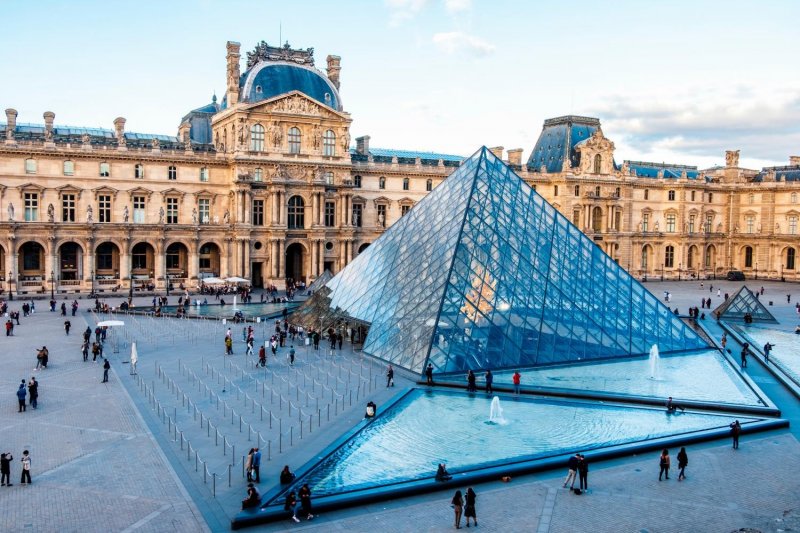
Non-Europeans will soon face higher admission fees than their French counterparts to visit the Louvre, as a price increase takes effect on Wednesday.
Trade unions denounced the policy and have called for strike action over the change. Other state-owned French tourist hotspots are also hiking their fees as the government tries to raise tens of millions of euros annually, News.Az reports, citing France24.
Should foreign tourists pay more for state-funded galleries than locals, or should art be accessible to all, without discrimination? France is hiking prices for non-Europeans at the Louvre this week, provoking debate over the fairness of such dual pricing.
From Wednesday, any adult visitor from outside the European Union, Iceland, Liechtenstein and Norway will have to pay €32 to enter the Louvre – a 45-percent increase – while the Palace of Versailles will up its prices by €3.
Americans, UK citizens and Chinese nationals, who are some of the museum's most numerous foreign visitors, will be among those affected, as will tourists from poorer countries.
The French move has few precedents elsewhere in Europe, but is more common in developing countries, where tariffs at sites such as Machu Picchu in Peru or the Taj Mahal in India vary.
Trade unions at the Louvre have denounced the policy as "shocking philosophically, socially and on a human level" and have called for strike action over the change, along with a raft of other complaints.
They argue that the museum's vast collection of 500,000 items, including many from Egypt, the Middle East or Africa, hold universal human value.
While rejecting discriminatory pricing on principle, they are also worried for practical reasons, as staff will now need to check visitors' identity papers.
French academic Patrick Poncet has drawn a parallel between France's move and the policies of US President Donald Trump, whose administration hiked the cost for foreign tourists of visiting US National Parks by $100 on January 1.
The French policy was "symptomatic of the return, as elsewhere in the world, of unabashed nationalism", Poncet wrote in Le Monde newspaper last month.


Similar news