MetaX IPO explosion: China challenges Western tech leadership


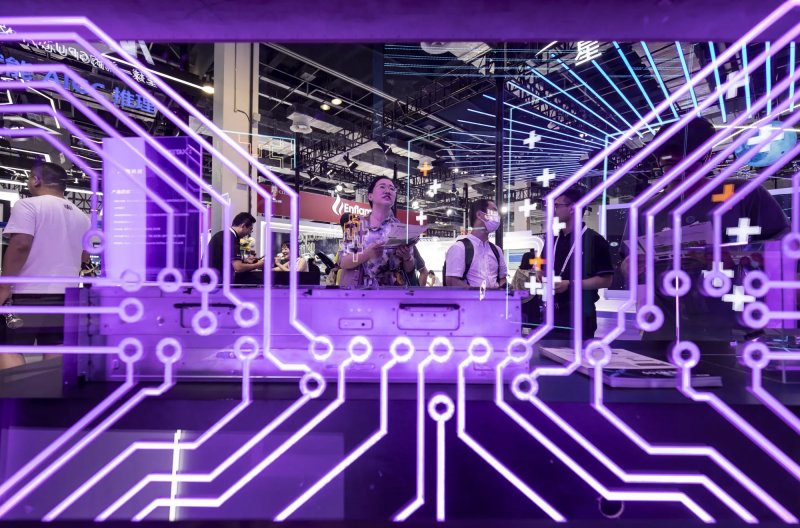
Shares of Chinese GPU developer MetaX Integrated Circuits staged a spectacular debut on the Shanghai stock exchange, surging nearly 700% on their first day of trading.
The rally reflects growing investor enthusiasm for China’s fast-expanding drive to develop home-grown artificial intelligence chips and reduce reliance on U.S. technology giants such as Nvidia and AMD, News.Az reports, citing Reuters.
Founded by former AMD executive Chen Weiliang, MetaX raised around 4.2 billion yuan (approximately $600 million) in its initial public offering. Retail investors oversubscribed the IPO by more than 4,000 times — a striking indicator of the fervor surrounding Beijing’s campaign for semiconductor self-sufficiency.
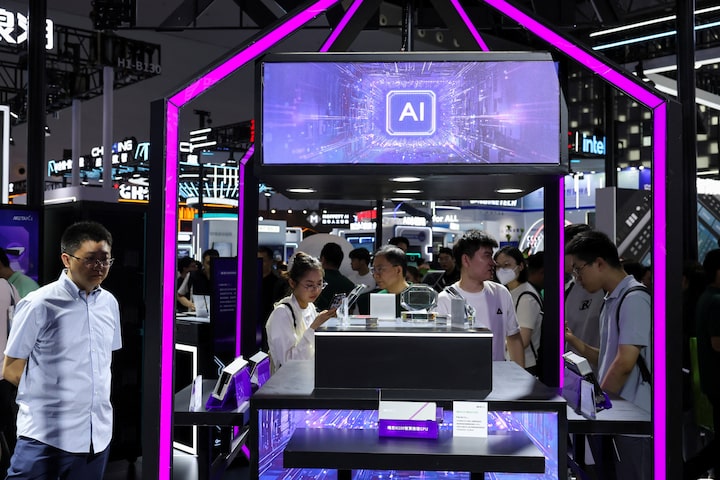
MetaX shares opened at roughly 700 yuan, compared with an IPO price of 104.66 yuan, and briefly surged to nearly 895 yuan during the session. The explosive rally immediately sparked debate among market participants over whether the valuation reflects genuine long-term potential or signals speculative excess.
“This is another Chinese IPO story where a crow suddenly turns into a phoenix,” said Yang Tingwu, a fund manager at Tongheng Investment, cautioning that the stock may already be close to its peak for years to come.
MetaX’s blockbuster debut follows closely on the heels of rival Moore Threads, whose shares jumped about 400% during their own market debut just days earlier. Together, the listings underscore a broader rush by Chinese AI chipmakers to tap domestic capital markets as Beijing prioritizes semiconductor production amid sustained U.S.–China technology tensions.
Analysts note that artificial intelligence and semiconductors have become central battlegrounds in the geopolitical rivalry between major powers. Against this backdrop, the accelerated approval of IPOs in strategic technology sectors appears less a coincidence than a deliberate policy choice aimed at strengthening China’s technological sovereignty.
According to market research firm Frost & Sullivan, China’s AI chip market is poised for rapid expansion. Sales are projected to reach $189 billion by 2029, up sharply from an estimated $54 billion in 2026. These forecasts help explain the intense investor appetite for the sector, despite persistent technological and financial risks.
At the same time, MetaX’s fundamentals highlight the speculative nature of the rally. The company remains unprofitable and was valued at roughly 50 times its 2024 sales at the time of its IPO — significantly higher than Nvidia’s multiple of 34 and AMD’s 14, according to company disclosures. MetaX currently holds about 1% of China’s AI chip market but expects revenue to more than double this year and aims to reach break-even as early as next year.
Fund managers acknowledge that Chinese chipmakers still lag behind U.S. leaders in terms of technology, yet argue that massive capital inflows could gradually narrow the gap.
“If domestic firms can raise tens of billions and invest heavily in talent and R&D, breakthroughs cannot be ruled out,” said Yuan Yuwei of Trinity Synergy Investments.
Nevertheless, MetaX itself has warned investors about significant risks, including U.S. export controls, potential supply-chain disruptions, and a substantial technology gap with global leaders Nvidia and AMD. Competition within China is also intensifying, with rivals ranging from Moore Threads and Biren Technology to heavyweight players backed by Huawei, Alibaba, and Baidu.
Even as enthusiasm for AI and semiconductors continues to dominate Chinese markets, some analysts caution that current prices may already reflect overly optimistic assumptions.
“There is room for improvement,” Yuan noted, “but under the current circumstances, there is clearly froth in MetaX’s share price.”
The meteoric rise of MetaX is therefore more than a market spectacle — it is a signal of China’s accelerating effort to build a self-reliant technology ecosystem. Whether this momentum will translate into a sustained challenge to Western technological dominance remains an open question, as the race for leadership in artificial intelligence enters an increasingly geopolitical phase.
By Samir Veliyev


Similar news