Nvidia considers boosting H200 chip output amid China demand


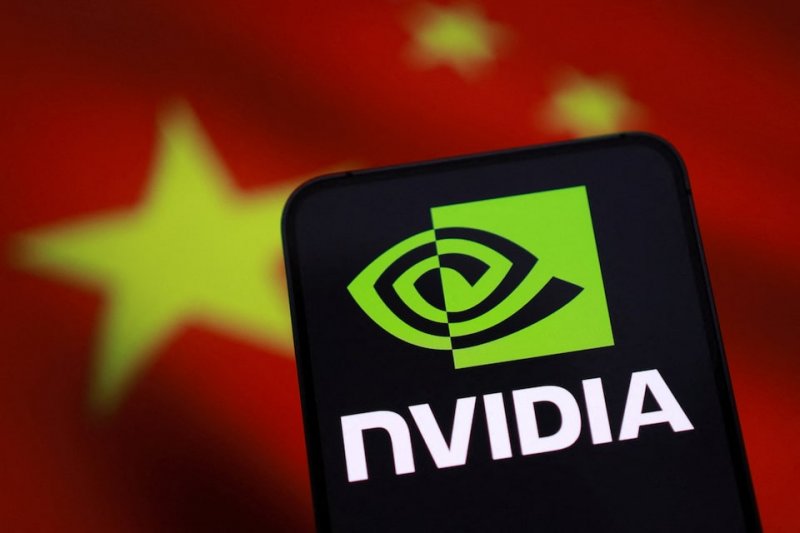
Nvidia is evaluating whether to increase production of its H200 artificial intelligence chips after demand from Chinese technology companies exceeded current supply.
The discussions follow a decision by U.S. President Donald Trump to allow Nvidia to export H200 processors — its second-fastest AI chips — to China, subject to a 25% fee on sales. The policy shift has triggered a surge of interest from major Chinese firms eager to secure advanced computing power, News.Az reports, citing Reuters.
Chinese tech giants including Alibaba and ByteDance have already approached Nvidia about placing large H200 orders, sources said. One person briefed on the talks noted that demand is so strong Nvidia is leaning toward adding new production capacity, despite limited current output.
In a statement to Reuters, Nvidia said it is managing its supply chain to ensure licensed sales to authorized Chinese customers will not affect its ability to serve clients in the United States.
However, uncertainty remains. China’s government has not yet approved imports of the H200, and officials reportedly held emergency meetings this week to decide whether shipments should be allowed. During the talks, one proposal suggested requiring H200 purchases to be bundled with a certain proportion of domestically produced AI chips.
The H200, part of Nvidia’s Hopper generation, is manufactured by TSMC using a 4-nanometer process. Production volumes are currently limited as Nvidia prioritizes its newer Blackwell chips and prepares for the upcoming Rubin line.
For Chinese companies, the H200 represents the most powerful AI chip they can legally access. It is estimated to be around six times more powerful than the H20, a downgraded model Nvidia released for China in late 2023.
The debate comes as Beijing accelerates efforts to build a self-sufficient AI chip industry. Analysts warn that allowing widespread use of the H200 could slow the adoption of domestic alternatives, which still lag behind Nvidia’s technology in performance.
For Nvidia, expanding capacity would also be challenging, as it competes with other major players — including Google — for limited advanced manufacturing slots at TSMC amid booming global AI demand.


Similar news