New bill seeks Green Cards for TPS holders in US


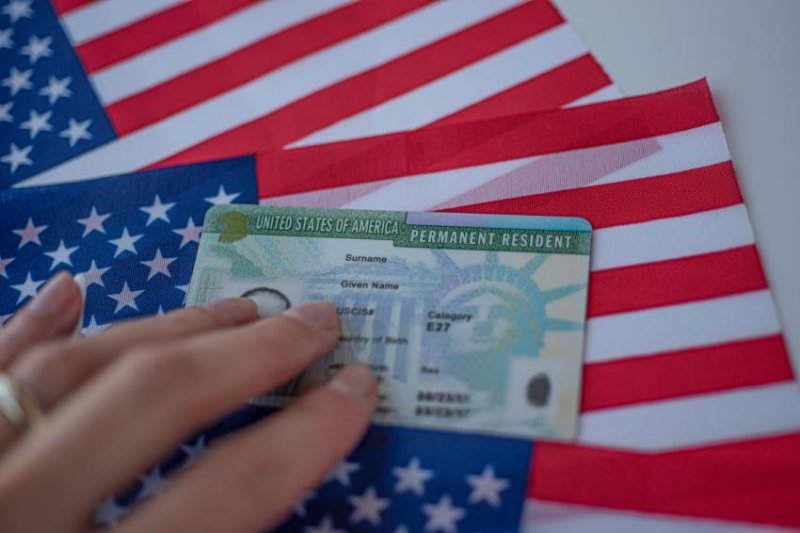
Representative Sheila Cherfilus‑McCormick of Florida has introduced a new legislative proposal, the Respect for Essential Workers Act, which would establish a pathway for individuals with Temporary Protected Status (TPS) in the U.S. to obtain Green Cards — permanent residency status, News.Az reports, citing foreign media.
TPS is a humanitarian immigration designation granted to nationals of countries experiencing war, natural disasters, or other extraordinary conditions that make safe return impossible.
RECOMMENDED STORIES
It allows eligible individuals to live and work in the U.S. temporarily and protects them from deportation. However, TPS does not provide a direct route to a Green Card and must be paired with another qualifying basis for permanent residency, such as marriage to a U.S. citizen or employer sponsorship.
During the Donald Trump administration, TPS was rescinded for nationals from several crisis‑affected countries, including Afghanistan, Haiti, Honduras, Nepal, Nicaragua, Somalia, South Sudan, Syria, Venezuela, Myanmar, Ethiopia, and Yemen, putting hundreds of thousands at risk of deportation. Legal challenges have slowed these efforts, and the U.S. Supreme Court blocked deportations of thousands of Syrians and Haitians in March 2026 as part of ongoing litigation over TPS terminations.
The Respect for Essential Workers Act proposes that after a set period of qualifying work — especially in essential sectors like health care, construction, and food supply — TPS holders would be eligible to apply for Green Cards, creating a legislative mechanism Congress currently lacks. Supporters argue this would recognize the contributions of hundreds of thousands of TPS recipients who have become integral to local communities and the economy.
Critics note that the bill’s prospects may be limited, especially given broader political resistance to expanding immigration pathways in Congress and the Trump administration’s stringent stance on both legal and illegal immigration.
By Nijat Babayev


Similar news