Can the US and Iran avoid a return to war as ceasefire tensions grow?


The fragile ceasefire between the United States and Iran is facing growing pressure as both sides continue military posturing while attempting to keep diplomatic channels open, raising concerns about the future of regional stability and global energy supplies.
Although neither Washington nor Tehran appears eager to return to full scale conflict, tensions remain high months after a ceasefire was announced on April 8. Negotiations mediated by countries including Pakistan and Qatar are continuing, but progress toward a broader agreement remains slow and uncertain, News.az reports, citing BBC.
The United States continues to maintain significant naval and air assets within striking distance of Iran, while Iranian forces are believed to be using the ceasefire period to reorganize and repair infrastructure damaged during recent military operations.
Analysts warn that the heavy military presence in and around the Gulf increases the risk of miscalculation that could rapidly escalate into renewed hostilities.
At the center of the dispute is the Strait of Hormuz, one of the world's most strategically important waterways. Shipping traffic through the strait has been severely disrupted since Iran closed the route following attacks by the United States and Israel earlier this year.
The closure has had major consequences for global energy markets. Roughly one fifth of the world's normal oil and gas supplies have been affected, creating concerns about long term economic fallout if the disruption continues.
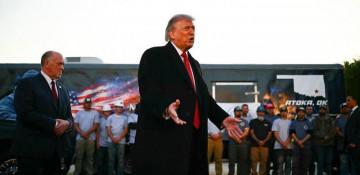
Iran has signaled that reopening the strait could require concessions from Washington, potentially including sanctions relief or access to frozen assets. Such demands present a difficult challenge for US President Donald Trump, who faces pressure from both foreign policy hawks and domestic political opponents.
The situation has become even more complicated following indications that Israel may intensify military operations in Lebanon. Tehran has reportedly linked any broader agreement with Washington to efforts aimed at ending Israeli military actions against Hezbollah, the Iran backed group operating in Lebanon.
Meanwhile, Gulf states are increasingly concerned about the long term economic impact of instability. Countries such as Saudi Arabia, Qatar and the United Arab Emirates have invested heavily in positioning themselves as secure hubs for global trade and investment, a strategy now threatened by prolonged regional conflict.
Qatar continues to play a central role in mediation efforts, while Saudi Arabia and the UAE have adopted different approaches toward managing the crisis and their relations with both Iran and Israel.
Despite ongoing talks, major differences remain between Washington and Tehran. The United States seeks security guarantees and limitations on Iranian activities, while Iran argues that it is defending the survival of its political system and insists that pressure alone will not force concessions.
For President Trump, the challenge is balancing efforts to secure diplomatic gains while avoiding a renewed conflict that could carry significant political and economic costs. For Iran, maintaining leverage over key regional issues remains central to its negotiating strategy.
As negotiations continue, the future of the ceasefire and the reopening of the Strait of Hormuz are likely to remain critical factors shaping both regional security and the global economy.
By Faig Mahmudov


Similar news