Nissan shares plunge after expanding convertible bond issuance amid financial struggles


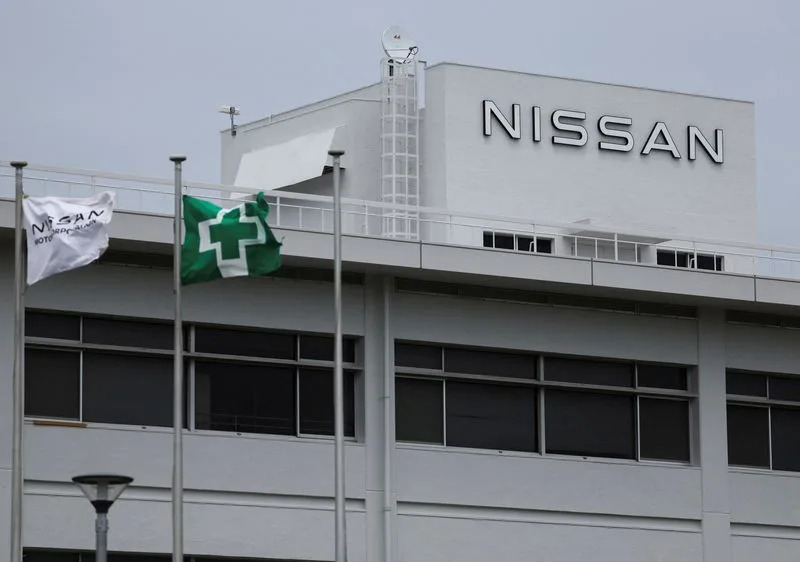
Shares of Japan’s Nissan Motor tumbled more than 6% on Tuesday, deepening a two-day slide after the automaker expanded its planned issuance of convertible bonds.
Nissan announced an increase in the size of its six-year convertible bond offering to 200 billion yen ($1.4 billion), up from the originally planned 150 billion yen. The company cited strong investor demand during the book-building process as the reason for the upsized issuance, News.Az reports, citing Reuters.
However, stock investors reacted negatively, concerned about potential dilution since convertible bonds can be converted into new shares. The stock closed down 6.4% at 315.5 yen in Tokyo, adding to a 4.9% decline on Monday, the day the initial bond issuance was announced.
In addition, Nissan revealed plans to sell $4 billion in U.S. dollar- and euro-denominated senior unsecured bonds, underscoring its urgent need to raise cash. Reuters recently reported that the automaker had asked some suppliers to delay payments as it struggles with liquidity.
Nissan is grappling with falling sales and an aging vehicle lineup, resulting in a hefty $4.5 billion net loss for the fiscal year ending March 2025. The company has withheld forecasts for the current fiscal year, during which about 700 billion yen in debt is due. Credit rating agencies have downgraded Nissan’s debt to junk status across the board.
The automaker said proceeds from the convertible bonds will fund investments in new products and technologies, focusing on electrification and software-defined vehicles. Funds raised from the senior unsecured bonds will be used to refinance existing debt.
Coupon rates on the senior unsecured bonds are notably high, ranging from the mid-7% to low-8% area depending on the tranche. By comparison, Nissan’s five- and seven-year dollar bonds issued in 2021 carry coupons of 2% and 2.75%, but their yields have since surged above 6%, reflecting worsening credit risk.
Data from LSEG shows that the cost of insuring Nissan’s five-year debt against default is currently at its highest level in over 15 years, and significantly more expensive than that of any other major Japanese company.
Nissan’s expanding bond sales and steep stock declines highlight the intense financial pressure facing the automaker as it seeks to restructure and invest in future growth areas amid market challenges.


Similar news