Pope Leo XIV honors slave trade victims in Angola


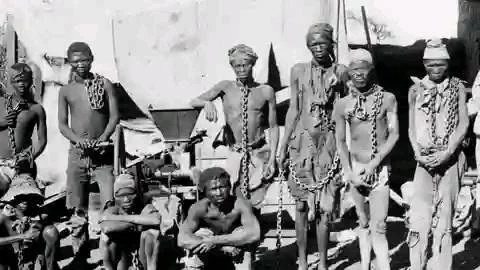
In a moment of profound historical reflection, Pope Leo XIV visited one of the most significant shrines dedicated to the victims of the transatlantic slave trade in Angola on April 20, 2026.
Addressing a large gathering of faithful and local leaders, the Pontiff recalled the "great suffering" endured by millions of Africans who were forcibly taken from their homelands, News.Az reports, citing France24.
He described the site as a place of deep sorrow but also as a necessary sanctuary for collective memory and healing. This visit marks a cornerstone of his African tour, aimed at addressing the Church's historical role in the colonial era while forging a path toward reconciliation and social justice.
RECOMMENDED STORIES
During his address, the Pope emphasized that the scars of the slave trade continue to influence modern societal structures and global inequalities. He called upon the international community to acknowledge these historical wounds not just with words, but with concrete actions that promote dignity and equality for all descendants of the enslaved. The Pontiff's presence at the shrine is seen as a powerful symbolic gesture, as he knelt in silent prayer at the very spot where many were once branded and loaded onto ships. By bringing global attention to this Angolan landmark, Leo XIV underscored the importance of preserving the history of the marginalized to prevent the repetition of past atrocities.
The visit also highlighted the Pope's commitment to the "peripheries" of the world, a central theme of his papacy. Local Angolan leaders praised the visit for validating the struggles of their ancestors and bringing a message of hope to a nation still grappling with the legacies of its past. The Pope urged the youth of Angola and the wider continent to lead the way in building a future rooted in fraternity rather than exploitation. His message was clear: while the history of the slave trade is a dark chapter of human cruelty, the resilience of the African spirit remains a testament to the enduring power of faith and human dignity.
As the ceremony concluded, the Pope blessed the site, turning it into a focal point for future pilgrimages focused on human rights and peace. The event resonated far beyond the borders of Angola, serving as a reminder to the global Catholic Church of its duty to stand with the oppressed. By confronting the "great suffering" of the past so directly, Pope Leo XIV has set a high bar for diplomatic and spiritual engagement, emphasizing that true peace can only be achieved when the truth of history is fully embraced and honored.
By Leyla Şirinova


Similar news